
Ruto Signs Law Establishing Railway Development Levy Fund
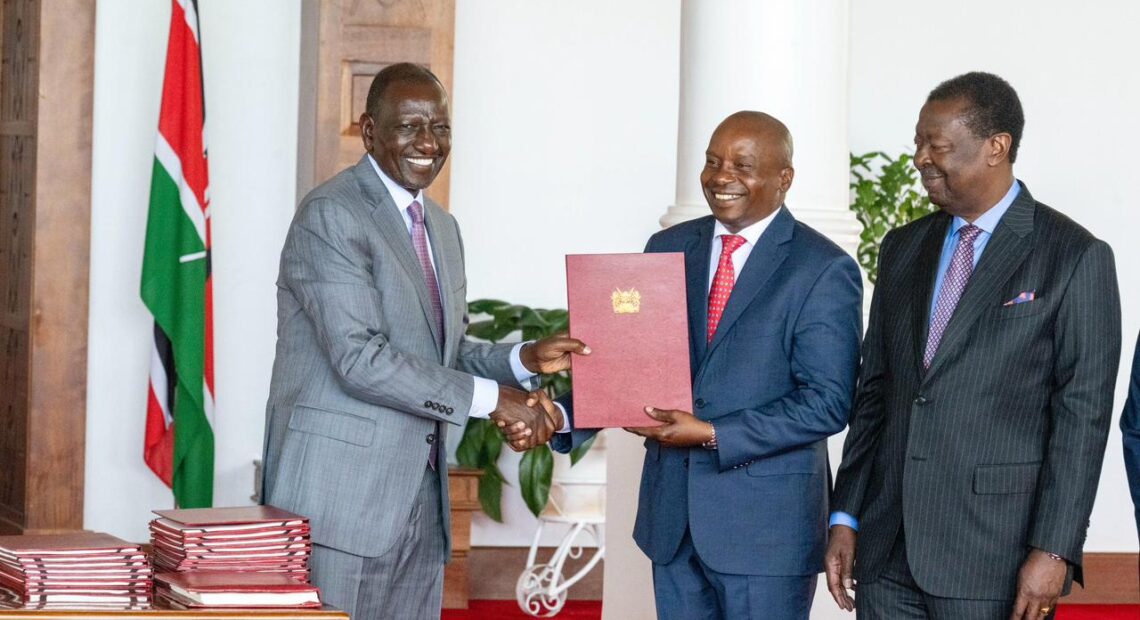
William Ruto has signed the Miscellaneous Fees and Levies (Amendment) Act, 2026 into law. The president approved the legislation on March 13, 2026. The law officially establishes the Railway Development Levy Fund.
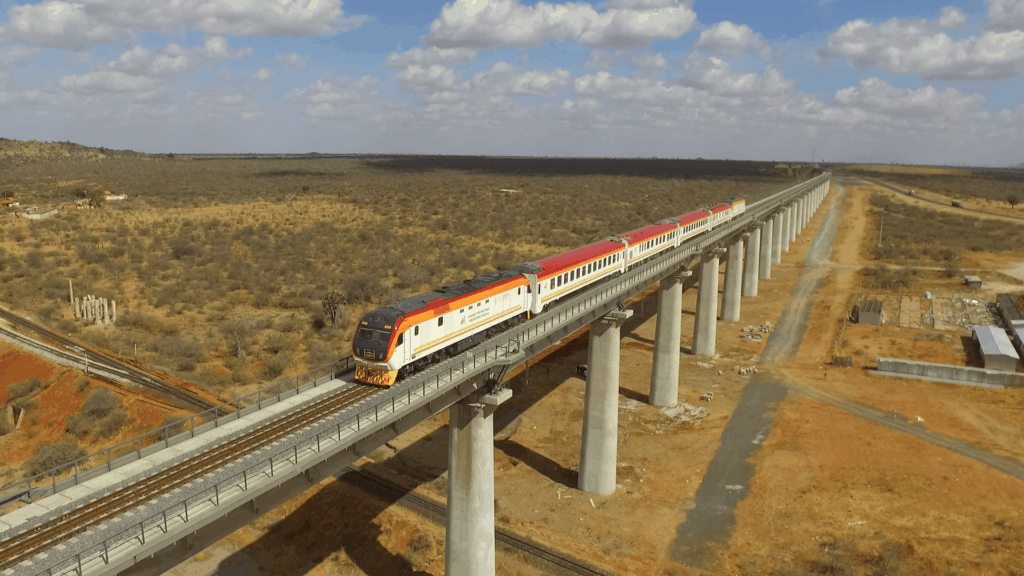
This new fund expands the use of the Railway Development Levy. Previously, the levy mainly supported the Standard Gauge Railway.
However, the updated law broadens its application across Kenya’s railway sector. Consequently, the government can now fund additional railway infrastructure projects.
Fund to Strengthen Kenya’s Railway Infrastructure
The Railway Development Levy Fund will directly finance railway development projects. Officials expect the levy to generate more than KSh 35 billion annually. Under the new law, these funds will flow directly into the dedicated infrastructure account.
The government plans to use the resources to modernize railway systems nationwide. Importantly, the funds will not only support new railway construction. They will also finance rehabilitation of aging railway lines.
Additionally, the government aims to improve railway safety standards. Such upgrades will strengthen transportation efficiency across Kenya.
New Financing Strategy Through Securitization
The law introduces an innovative infrastructure financing mechanism. Specifically, the government can securitize up to 90 percent of the fund.
This means the levy revenue can guarantee additional loans for railway projects. As a result, Kenya can access larger financing for national transport infrastructure.
Officials believe this strategy will accelerate railway expansion projects. Moreover, it reduces the need for excessive public borrowing. Therefore, the fund supports sustainable infrastructure development.
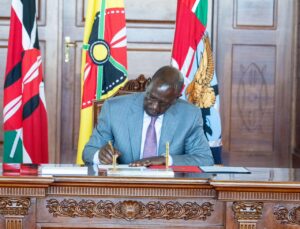
President Ruto signing the Miscellaneous Fees and Levies (Amendment) Act, 2026. Photo/ State House
READ ALSO: Kenya Railways Suspends Limuru Commuter Train Service
Governance Structure of the Fund
The Railway Development Fund Board will oversee the management of the resources. Senior government officials will supervise the board’s operations.
These include representatives from the National Treasury of Kenya. Additionally, officials from the Ministry of Roads and Transport will provide oversight.
This governance framework aims to ensure transparency and accountability. Consequently, funds will target strategic railway projects across the country.
Part of a Larger Infrastructure Strategy
The Railway Development Fund forms part of a broader national development agenda. Recently, President Ruto also approved the National Infrastructure Fund Bill.
This initiative seeks to mobilize about KSh 5 trillion for major projects. Planned investments include dams, airports, and modern highways.
Meanwhile, part of the funding will come from domestic capital markets. For instance, the Kenya Pipeline Company IPO raised approximately KSh 106.3 billion.
Additional Laws Signed on the Same Day
Alongside the railway amendment, Ruto approved two other key laws. These include the Coffee Act, 2023 and the Meteorology Act, 2023.
Both laws aim to reform their respective sectors. Ultimately, the government hopes these reforms will boost economic growth and infrastructure expansion across Kenya.