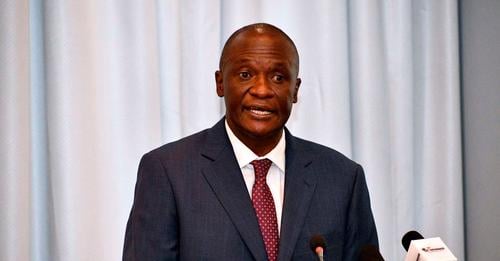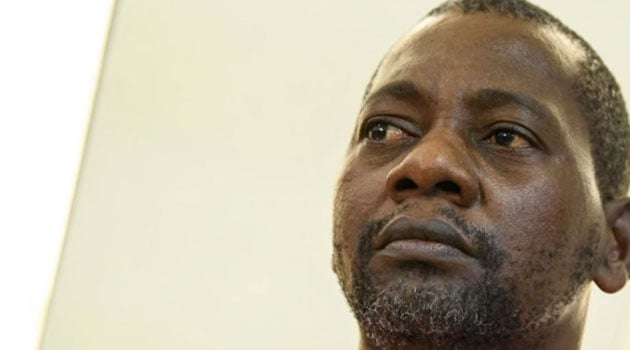
Paul Mackenzie and 30 co-accused face judgment over the deaths of 191 children.
Justice Diana Kavedza will rule on charges involving 191 children as families continue seeking answers over the Shakahola deaths.
The High Court will deliver the Shakahola murder verdict on Monday, determining whether Paul Nthenge Mackenzie and 30 co-accused murdered 191 children. A Judiciary media advisory schedules the judgment for 9.30am at the Mombasa High Court before Justice Diana Kavedza.
The charges concern deaths linked to Mackenzie’s Good News International Church. Meanwhile, families continue seeking answers about a tragedy in which the Kenya National Commission on Human Rights documented 448 deaths.
Shakahola murder verdict follows defence hearings
In April, Justice Kavedza found that Mackenzie and his co-accused had a case to answer. She therefore directed them to present their defence before the court could determine their guilt.

That ruling meant prosecutors had presented sufficient initial evidence for the trial to proceed to the defence stage. However, it did not amount to a finding of guilt. The court subsequently heard the defence and reserved its judgment.
Prosecutors argued that the accused participated in a common plan that led to the deaths. They also relied on the legal doctrine of common intention, alleging that the accused acted towards a shared objective.
During the trial, survivors, victims’ relatives, investigators and forensic experts gave evidence. The court also considered postmortem findings and other material gathered during investigations into the deaths.
Mass graves exposed deaths in Shakahola
Authorities uncovered mass graves in Kilifi’s Shakahola Forest in April 2023, bringing the church’s activities under scrutiny. Investigations centred on allegations that followers faced encouragement to fast to death in the belief they would meet Jesus.
The discoveries then prompted a major search and exhumation operation in the forest. Forensic teams worked to identify victims and establish the circumstances surrounding their deaths.
In its March 2024 report, Mashaka ya Shakahola, the KNCHR documented 448 deaths. It also recorded reports of more than 600 missing people.
At the time, the commission said families had received fewer than 10 per cent of the bodies following identification. Its findings therefore highlighted the continuing uncertainty for relatives seeking to bury their loved ones.
The commission linked the deaths to starvation, strangulation, head injuries and dehydration. It based those findings on autopsy results, alongside accounts from survivors and witnesses.
Commission called for accountability and survivor support
Beyond the criminal case, the tragedy prompted scrutiny of religious organisations and the state’s response to harmful practices. The KNCHR concluded that state agencies had failed to protect citizens despite earlier warnings about Mackenzie’s activities.
The commission also identified missed opportunities to intervene, investigation delays and gaps in support for survivors and families. It called for accountability among officials whose actions or failures to act may have contributed to the tragedy.
Alongside that demand, the KNCHR urged better rehabilitation and support for survivors.