The High Court found Paul Mackenzie guilty of radicalising followers through teachings that contributed to 429 deaths in Shakahola Forest.
The High Court has found preacher Paul Mackenzie guilty in the Shakahola radicalisation case, linking his extremist teachings to 429 deaths. The ruling concerns followers of his Good News International Church in Kilifi County.
Investigators and prosecutors linked the deaths to teachings that allegedly urged followers to starve themselves to attain salvation. They said the doctrine promised followers that they would meet Jesus Christ through fasting to death.
Shakahola radicalisation case centres on harmful teachings
Investigators alleged that Mackenzie persuaded followers to reject food, medical treatment and formal education. Prosecutors also argued that his teachings isolated worshippers from their families and exposed them to deadly conditions.
The guilty finding concerns radicalisation, while separate proceedings address murder and other alleged offences connected to the religious group. Those cases form part of the wider criminal investigations into the Shakahola deaths.

Authorities began recovering bodies from shallow graves in a remote part of Shakahola Forest in April 2023. Subsequent exhumations revealed hundreds more victims, bringing the number of recovered bodies to 429.
Forensic investigations identified starvation as a leading cause of death in many cases. However, other victims showed evidence of strangulation, suffocation and physical violence.
Children among victims in separate murder proceedings
The tragedy also claimed the lives of numerous children, prompting concerns about religious exploitation and the protection of minors. In a separate case, Mackenzie and his co-accused faced 191 murder counts involving victims who were overwhelmingly children.
Prosecutors alleged that extremist teachings drove the starvation of children. They also said adults responsible for the children failed to protect them from the fatal practice.
Meanwhile, the wider investigations brought together police officers, forensic specialists, pathologists and other government agencies. Evidence gathered included hundreds of witness statements, forensic findings and accounts from survivors and victims’ relatives.
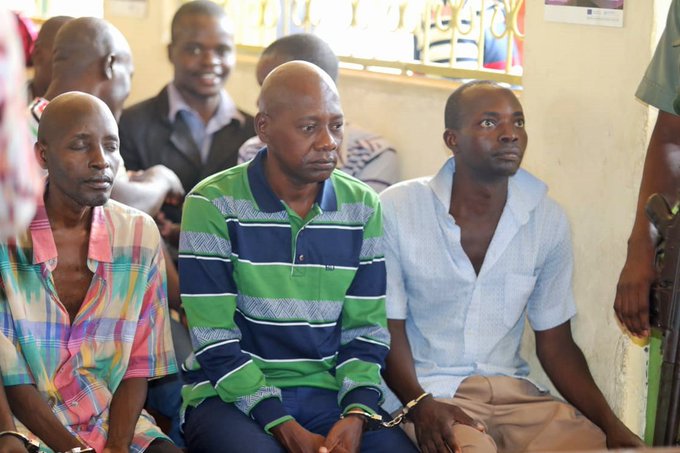
Related proceedings have involved allegations of organised criminal activity, radicalisation and terrorism-related offences. In April 2026, a court found that Mackenzie and 95 co-accused had a case to answer on organised crime and radicalisation. That decision allowed those proceedings to move to the defence stage.
Tragedy raises questions over oversight
Beyond the criminal cases, authorities have faced scrutiny over whether earlier intervention could have prevented the deaths. The discoveries also prompted calls for stronger oversight of religious organisations and better protection for vulnerable communities.
The national debate has focused on protecting religious freedom while preventing teachings that endanger worshippers. It has also raised questions about access to healthcare, education and outside assistance within closed religious communities.
As related court proceedings continue, families of the Shakahola victims are still seeking justice over the deaths.