European leaders are meeting in Dublin as they seek a role in negotiations over Ukraine.
US envoys push for European participation after Russia demands negotiations on the continent’s postwar security arrangements.
European leaders expect to join Ukraine peace talks after months on the sidelines, but must first choose their representative. Their internal divisions threaten to complicate efforts to secure influence over negotiations to end Russia’s war in Ukraine.
US negotiators Jared Kushner and Steve Witkoff pushed this week to bring European officials into the discussions. The move followed Russia’s demand to include Europe’s postwar security arrangements on the negotiating agenda.
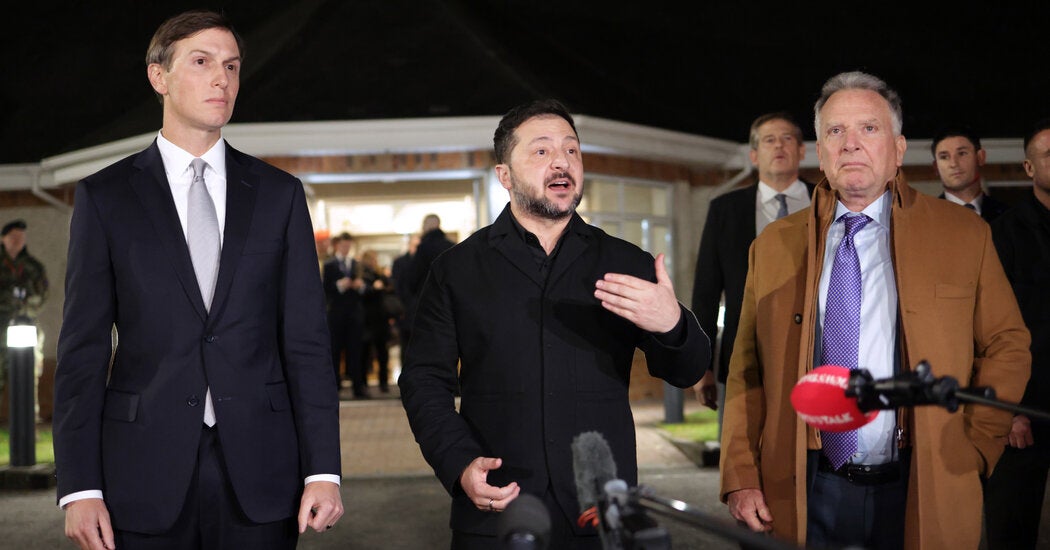
Meanwhile, European leaders are meeting in Dublin. American and Ukrainian officials also held a debriefing on Thursday night at an airfield near the city.

Kushner, President Donald Trump’s son-in-law and an envoy, highlighted Europe’s challenge on Thursday. He suggested that choosing a single spokesperson would prove harder than persuading Russia to accept European participation.
Ukraine peace talks widen to European security
During discussions in the United Arab Emirates, Russian negotiators pressed their demands with Ukraine and the United States. They made changes to how Europe protects itself a condition for ending the war.
Russia has previously sought to reduce NATO operations near its borders. However, European officials have rejected Moscow’s proposals, maintaining that Europe must determine its own security arrangements.
Kushner and Witkoff nevertheless signalled openness to a broader negotiating agenda as a way to break the impasse. Their push would bring European officials into discussions that could affect the continent’s security beyond the war itself.
For European leaders, the prospect of joining those discussions therefore brings an immediate diplomatic task: agreeing who will speak for them.