
Plainclothes Officers Arrest Activists During Saba Saba Protests
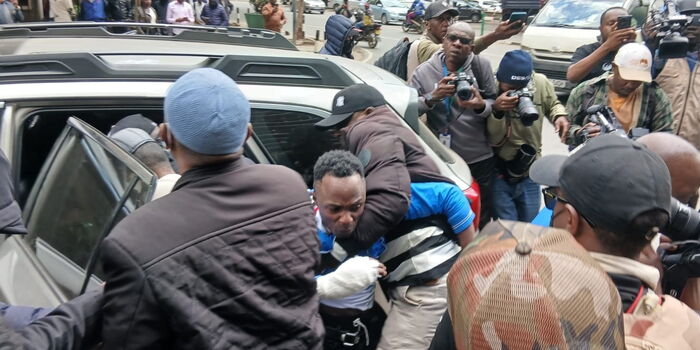
Plainclothes police officers intercepted and arrested several activists on Tuesday morning, July 7, 2026, along Harambee Avenue in Nairobi. Specifically, the demonstrators had gathered near Harambee House and Jogoo House, intending to stage a peaceful Saba Saba protest outside the Office of the President. Furthermore, non-uniformed officers quickly subdued the youths as they brandished Kenyan flags and forcibly bundled them into unmarked Subaru vehicles.
How the Arrests Unfolded
The operation was swift and aggressive. Specifically, plainclothes individuals intercepted protesters before they could reach their intended demonstration point. Furthermore, the activists were forced into unmarked vehicles without visible identification from the arresting officers.
Additionally, multi-agency security teams cordoned off Parliament, deployed water cannons and set up checkpoints on major entry points including Thika Road.
Further Arrests Across the CBD
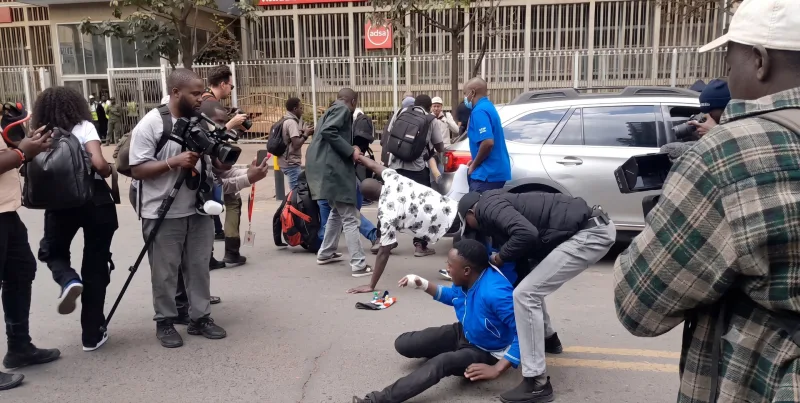
The crackdown extended beyond Harambee Avenue. Specifically, additional arrests occurred on Wabera Street and near the Kenya National Archives as security forces maintained a tight grip on the city centre.
The Legal Argument on Both Sides
Authorities and protesters hold opposing legal positions. Specifically, Nairobi Regional Police Commander Issa Mohamud declared the protests illegal, citing a lack of formal notification from organisers.
Conversely, human rights defenders countered that Article 37 of the Constitution safeguards the right to assemble peaceably, and that no prior notification is constitutionally required for peaceful assembly.
A Contrast With Mombasa
Not every city experienced the same response. Specifically, similar Saba Saba marches in Mombasa proceeded calmly under police escort, a stark contrast to the forceful crackdown seen in Nairobi.