
Malindi Pastors Declare: “Summertides Festival Will Never Return”
The Summertides Festival has ignited a heated national debate over morality, tourism, and public entertainment.
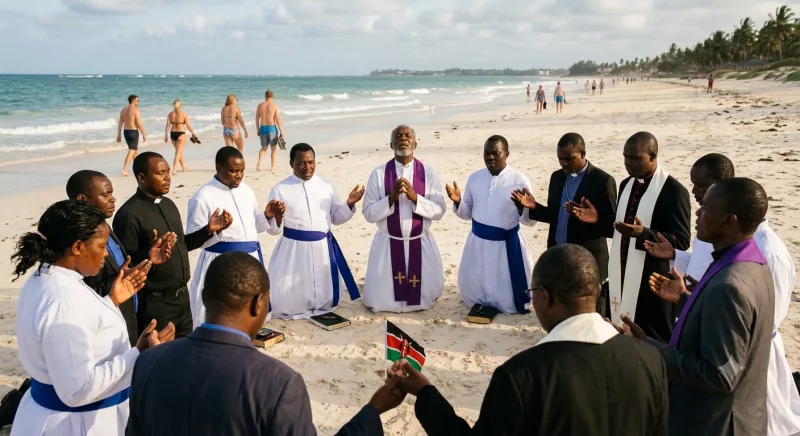
Following the July 2–4 festival in Malindi, local clergy gathered to pray over the venue. They declared that the event would never return to the coastal town.
Clergy Condemn the Festival
Local pastors, joined by visiting preacher Pastor T. Mwangi, led a spiritual gathering at the beach. During the event, they prayed, anointed the area, and dedicated it to God.
They also vowed to resist similar festivals in the future. Pastor T. Mwangi claimed the festival carried dark spiritual influences. Furthermore, he predicted that the venue would eventually shut down.
Religious Leaders Cite Moral Concerns
Church leaders strongly criticized the festival’s activities. They described the event as a modern-day “Sodom and Gomorrah.”
Their concerns followed viral videos allegedly showing public nudity, excessive alcohol consumption, and explicit behavior. Consequently, they urged authorities to protect Malindi’s moral and cultural values.
Businesses Highlight Economic Benefits
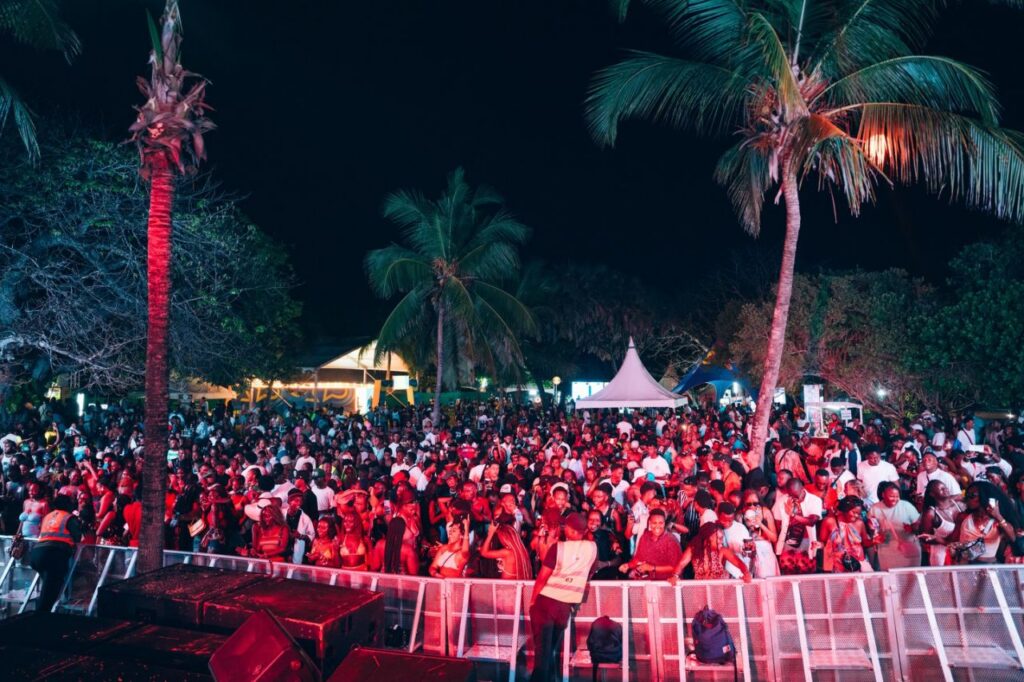
However, local business leaders offered a different perspective. They argued that the festival significantly boosted Malindi’s economy.
Reports estimate the event generated nearly KSh 500 million in tourism revenue. Hotels, restaurants, transport operators, and small businesses also benefited from increased visitor numbers during the normally quiet season.
Beach Remains Open
Despite the clergy’s declarations, the Lost Beach Club remains a legally operating commercial venue. Likewise, the beach continues to remain public property.
Any permanent ban or closure would require official action by the Kilifi County Government or relevant law enforcement agencies.
Meanwhile, the controversy continues to divide Kenyans, with some supporting the clergy’s position while others defend the festival’s economic contribution to the coastal tourism industry.