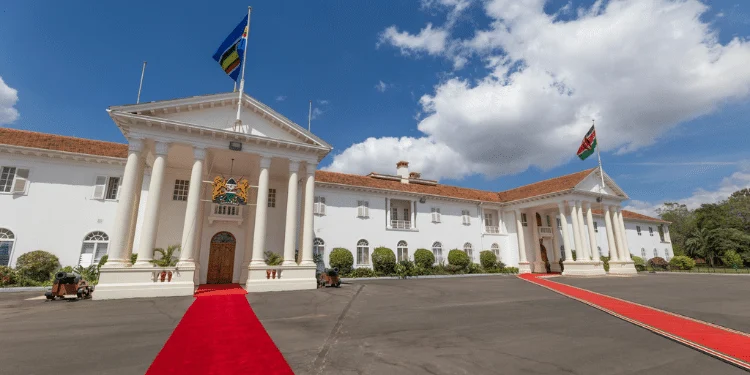

State House Kenya Spending Hits KSh 48 Million Per Day in 2026
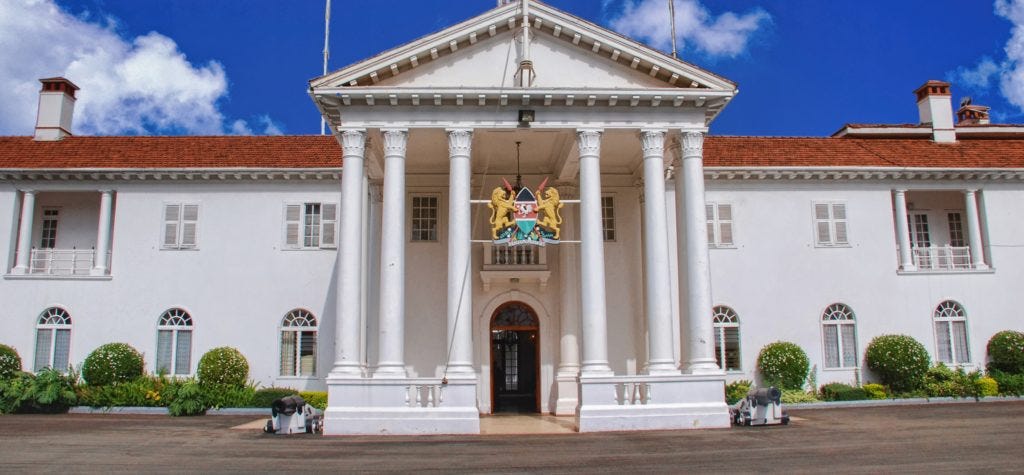
New data from the National Treasury and the Office of the Controller of Budget shows rising State House expenditure. As of February 2026, daily spending ranges between KSh 42.6 million and KSh 48.3 million.
Primarily, the funds cover recurrent operational costs. These include hospitality, travel, administration, and routine maintenance.
The 2025/2026 financial year recorded accelerated expenditure. By January 31, 2026, State House had exhausted its annual allocation. Between July 1, 2025, and January 31, 2026, spending reached KSh 10.4 billion. However, the approved annual budget stood at KSh 7.7 billion.
Consequently, expenditure exceeded the allocation by KSh 2.7 billion. This overrun occurred just seven months into the fiscal year. January 2026 alone recorded KSh 1.3 billion in spending. That translates to roughly KSh 42.6 million daily.
Earlier, the first quarter saw even higher daily averages. Spending reportedly reached KSh 50 million per day.
Breakdown of State House Expenditure
Most allocations fall under recurrent expenditure categories. These sustain the presidency’s daily operations.
- Hospitality: Funding diplomatic meetings and regional tours.
- Travel: Supporting local and international presidential trips.
- Operations: Covering fuel, vehicle maintenance, and communication services.
- Renovations: Maintaining and upgrading official facilities.
Therefore, operational continuity drives most costs.
Fiscal Pressure and Supplementary Budget
The rapid budget depletion raises fiscal concerns. Currently, State House lacks allocated funds for five remaining months.
In response, the National Treasury is preparing a KSh 262.9 billion supplementary budget. This measure aims to address the funding gap. Meanwhile, Kenya faces a projected KSh 1.14 trillion national deficit for 2026. Analysts describe the spending pace as unprecedented.
Looking ahead, the Cabinet has endorsed a KSh 4.7 trillion 2026/2027 budget. This marks a KSh 410 billion increase from current levels.
Ultimately, rising expenditure highlights mounting fiscal pressure. Observers now await parliamentary approval of the supplementary budget.