
Why International Women’s Day Matters: The History, Impact, and 2026 Call for Action
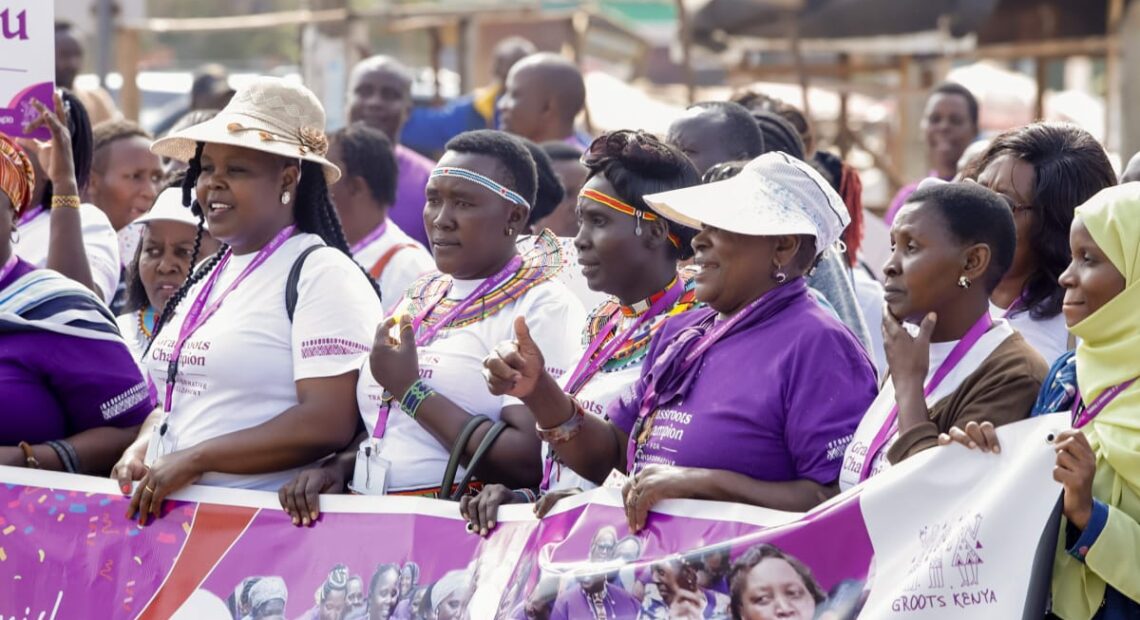
International Women’s Day takes place every year on March 8 to celebrate women’s achievements. Additionally, the day raises awareness about gender inequality and promotes equal rights worldwide.
The movement began as a response to workplace injustice and political exclusion. Therefore, it continues to inspire global campaigns advocating for equality, dignity, and opportunity.
Today, International Women’s Day remains a powerful platform for social change and empowerment.
The Historical Roots of International Women’s Day
International Women’s Day emerged from early 20th-century labor movements. At that time, women demanded fair wages, safer working conditions, and voting rights.
In 1908, around 15,000 women marched through New York City for better labor rights. Consequently, the Socialist Party of America declared the first National Woman’s Day in 1909.
Later, in 1910, German activist Clara Zetkin proposed an international celebration for women. She introduced the idea during the International Conference of Working Women in Copenhagen.
As a result, the first International Women’s Day was celebrated in 1911 across several European countries.
How March 8 Became the Official Date
The official date gained significance during political protests in Russia. In 1917, Russian women organized a strike demanding “Bread and Peace.”
Their protest sparked major political change during the Russian Revolution. Soon afterward, women in Russia gained the right to vote.
Decades later, the United Nations officially recognized International Women’s Day in 1977. The organization encouraged countries to observe March 8 as a day for women’s rights and peace.
International Women’s Day 2026 Theme
The 2026 theme highlights urgent global priorities. This year’s message is “Rights. Justice. Action. For ALL Women and Girls.” Importantly, the theme focuses on enforcing legal protections for women.
Global reports show that women currently hold only about 64% of the legal rights available to men. Furthermore, experts warn it could take 286 years to close these legal gaps if progress slows.
The 2026 celebration also aligns with the 70th session of the Commission on the Status of Women.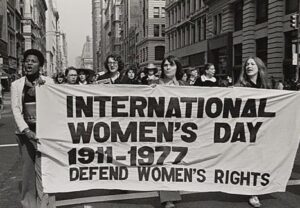
READ ALSO: Millie Odhiambo Challenges Kenyan Women Over Foreign Men Perceptions
– Maina Kageni Sparks Debate on Kenyan Women and Foreign Men
– Ciru Muriuki Challenges Patriarchy, Inspires Kenyan Women Online
– Intouchvas Celebrates Women Entrepreneurs with Special Women’s Day Surprise
Modern Challenges Facing Women Worldwide
Although progress has improved women’s rights, many challenges remain worldwide.
- First, economic inequality continues to affect women across many industries.
Experts estimate that achieving gender equality by 2030 requires $360 billion annually. - Second, violence against women remains a serious global issue.
Studies show that nearly one in three women experience physical or sexual violence. - Finally, poverty disproportionately affects women.
Globally, women represent nearly 70 percent of people living in extreme poverty.
How the World Celebrates International Women’s Day
Countries celebrate the day through activism, education, and cultural programs.
In many nations, International Women’s Day is a public holiday. For example, countries like Russia, Cuba, and Zambia officially observe the event.
Additionally, symbolic colors represent the movement’s values. Purple stands for justice and dignity, green symbolizes hope, and white represents unity.
Communities also organize leadership seminars and mentorship events. These programs encourage young women to pursue leadership and professional success.
Ultimately, International Women’s Day continues to inspire global conversations about equality and justice. Each celebration reminds the world that empowering women strengthens societies everywhere.