
Rastafarian Community Defends Religious Cannabis Use in High Court Case
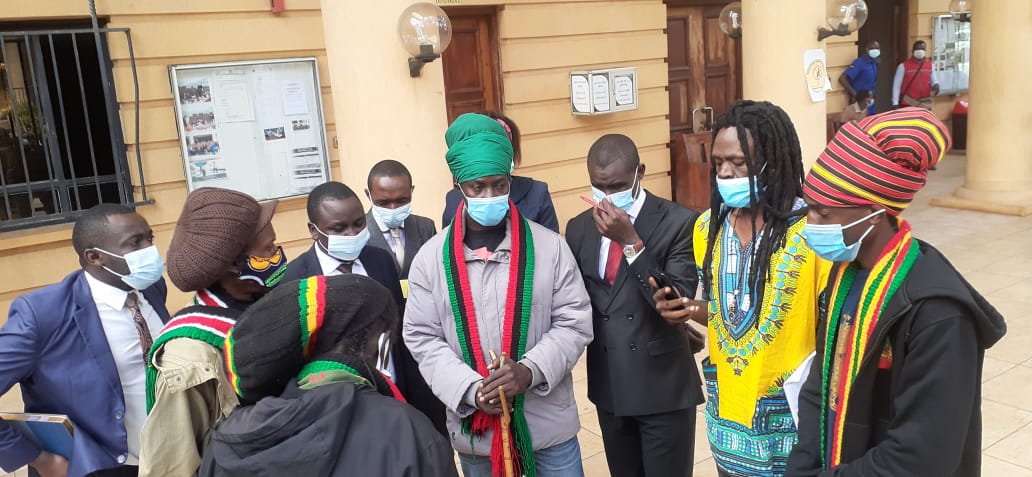
Members of the Rastafari Society of Kenya appeared before the High Court on March 13, 2026. They defended the religious use of cannabis during ongoing constitutional proceedings.
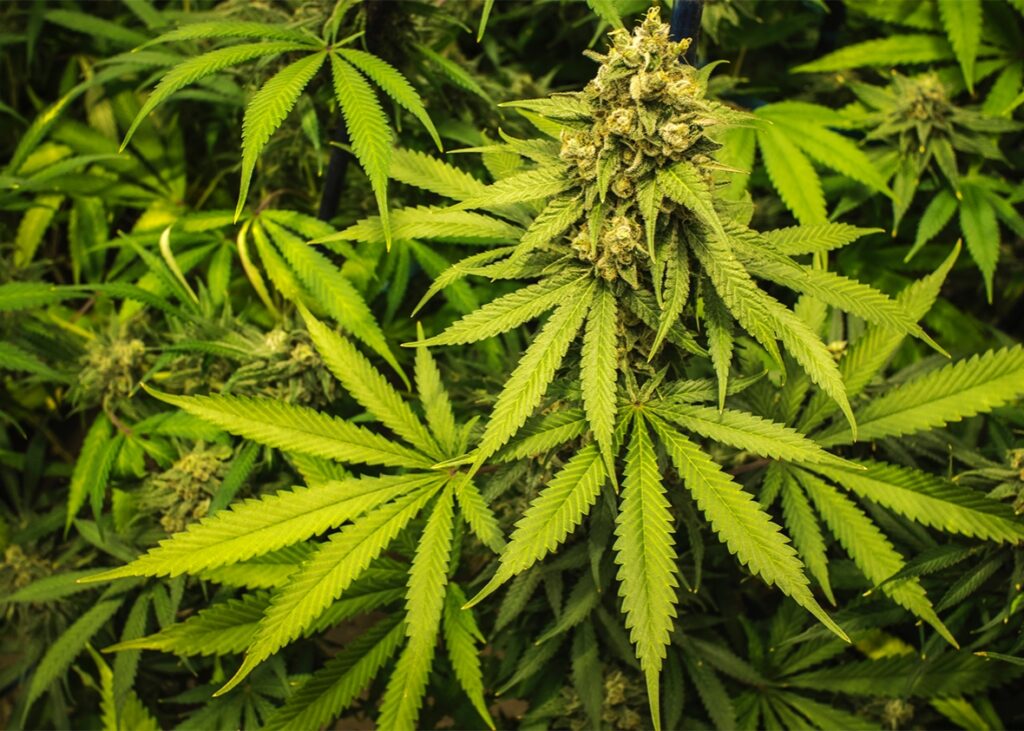
The petitioners described cannabis as a “holy herb” and a gift from God.”
According to the community, the plant plays a vital spiritual role in their faith. However, Kenyan law currently bans cannabis possession and use. Consequently, the Rastafarian community argues that the ban violates their religious freedom.
Petitioners Highlight Spiritual Importance of the Herb
Rastafarian members explained the plant’s significance during court testimony. They stated that cannabis supports meditation, prayer, and spiritual reflection.
Additionally, it plays a key role in a ritual practice called reasoning. During reasoning sessions, members gather to meditate and discuss social issues.
They also reflect on spirituality, community challenges, and moral guidance. Therefore, petitioners believe cannabis strengthens their connection to God. Furthermore, they insist its use remains strictly spiritual and controlled.
Lawyers Argue Ban Violates Constitutional Rights
The community is represented by lawyers Danstan Omari and Shadrack Wambui. They argue the ban discriminates against Rastafarians compared to other religious groups.
Kenya’s constitution protects freedom of belief and worship. Therefore, the lawyers argue the law unfairly restricts Rastafarian practices.They insist that cultural and religious freedoms must apply equally.
An image of Rastafarians outside High Court. Photo/ Courtesy
Consequently, the court must determine whether current laws violate constitutional rights. The petition could influence future legal debates on religious practices in Kenya.
READ ALSO: Rastafarian Push to Legalise Marijuana Heats Up as Court Delays Case Again
Community Outlines Strict Internal Usage Guidelines
During the hearings, Rastafarian members emphasized responsible use of the herb. They explained that the community follows strict internal regulations. For instance, only adults aged eighteen years and above may participate.
Additionally, users must possess valid national identification. Leaders also stress moderation and spiritual discipline during rituals.
Therefore, members argue their practices differ from recreational drug use. They insist the herb remains sacred within their religious framework.
Legal Challenges Emerge During Court Proceedings
The case has faced several procedural challenges in court. Recently, the High Court declined to admit raw cannabis seeds as evidence.
Judges feared doing so might violate existing anti-trafficking laws. Meanwhile, government lawyers requested additional restrictions during hearings. They asked the court to bar participants from bringing cannabis into the courtroom.
Additionally, the case will now follow Bahati Mwamuye to Kiambu. The judge has handled the matter since its early stages.
Therefore, the court will allow him to deliver the final judgment virtually. Ultimately, the ruling could shape the future of religious freedom debates in Kenya.