

EPRA Announces Sharp Fuel Price Hike in Kenya
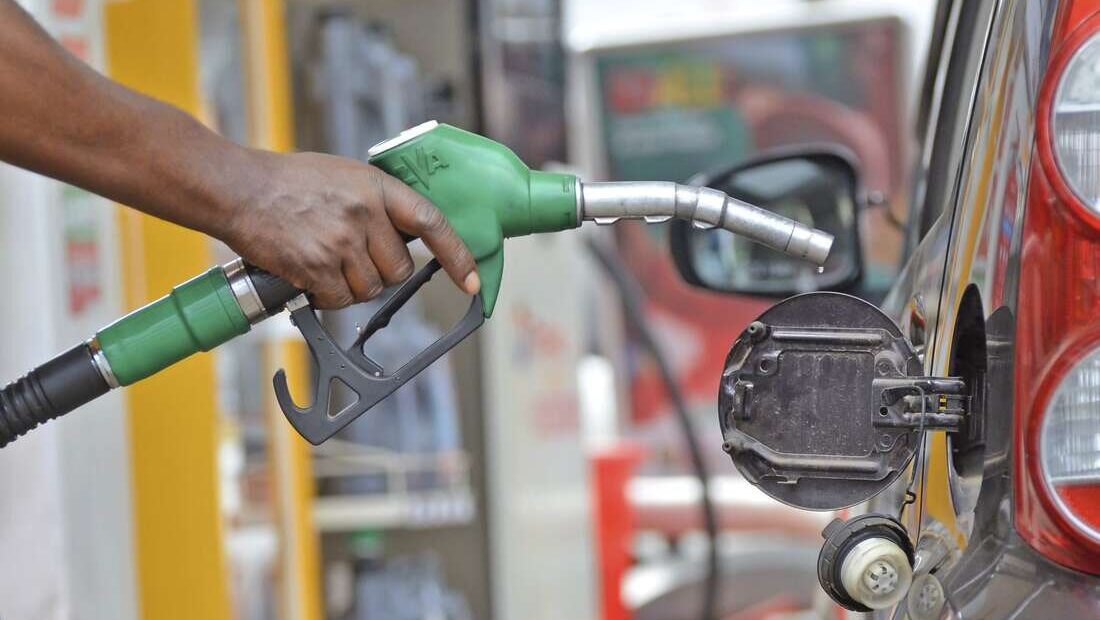
On April 15, 2026, Energy and Petroleum Regulatory Authority announced new fuel prices. The review runs until May 14, 2026.
Notably, diesel recorded its highest monthly increase in over two decades. Consequently, the adjustment has raised nationwide economic concerns.
New Fuel Prices in Nairobi
The latest review significantly raised pump prices in Nairobi. Super petrol now costs KSh 206.97 after a sharp increase.
Additionally, diesel rose to KSh 206.84, marking the biggest jump. It increased by KSh 40.30 in a single month.
However, kerosene remains unchanged at KSh 152.78. The government maintained heavy subsidies to protect households.
Prices Across Major Towns
Fuel prices also increased in other urban centres. In Mombasa, petrol now costs KSh 203.69.
Meanwhile, Kisumu records petrol at KSh 206.85. Diesel in Kisumu slightly exceeds Nairobi’s price.
In Nakuru, petrol stands at KSh 206.03. Therefore, price variations reflect regional transport costs.
READ ALSO: Fuel Shortage Hits Kenya as Stations Ration Supply and Close
Key Factors Driving the Increase
Several global and local factors caused the price surge. First, geopolitical tensions disrupted global oil supply chains.
Conflicts involving the United States, Israel, and Iran raised crude prices. Consequently, oil prices exceeded 100 dollars per barrel.
Additionally, the cost of imported diesel rose sharply. It increased by over 68 percent within one month.
Furthermore, the Kenyan shilling weakened against the US dollar. This exchange rate pressure increased import costs further.
Government Measures to Cushion Consumers
The government introduced measures to limit the impact. It reduced VAT from 16 percent to 13 percent temporarily.
Additionally, it released KSh 6.2 billion from the Petroleum Development Levy. This fund helped stabilize pump prices.
Moreover, kerosene subsidies remain in place for households. The government absorbs over KSh 100 per litre.
Economic Impact and Outlook
The fuel hike is expected to affect multiple sectors. Transport costs may rise by up to 14 percent.
Consequently, food prices and manufacturing costs could increase. Diesel remains critical for logistics and production.
Ultimately, the price hike signals ongoing economic pressure. Therefore, consumers should prepare for a higher cost of living.