
Fuel Shortage Hits Kenya as Stations Ration Supply and Close
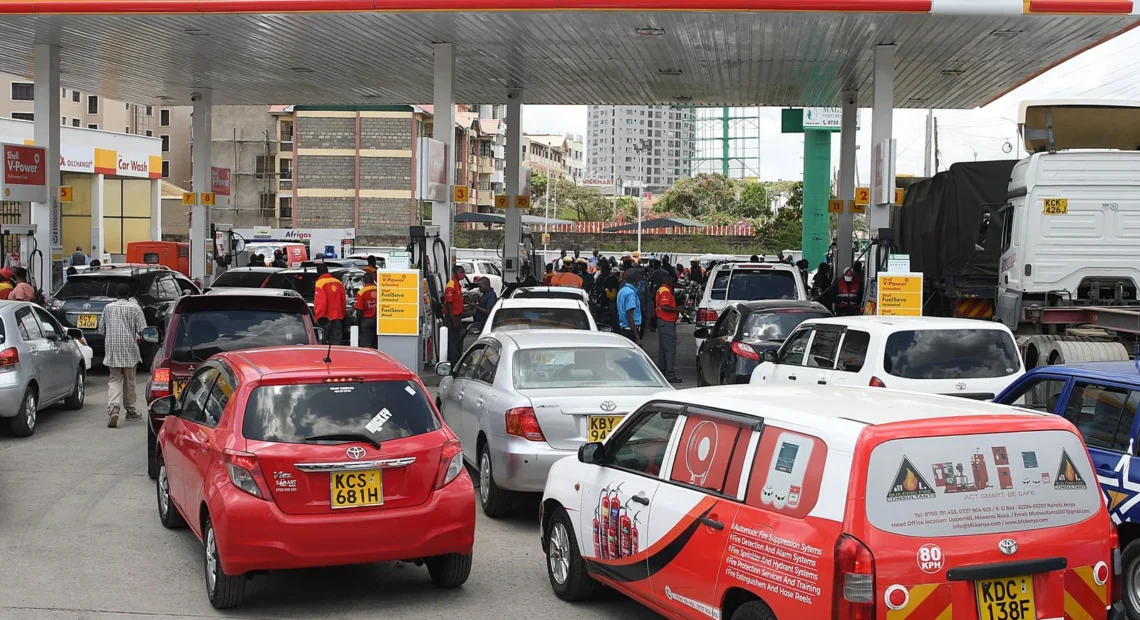
As of March 23, 2026, several petrol stations across Kenya have started rationing fuel. Others have temporarily closed due to stockouts, despite government assurances of stable reserves.
Rationing and Closures Spread Across Regions
First, some stations in Nairobi, especially along Lang’ata Road, introduced strict rationing measures. They limited fuel purchases to as low as KSh 2,000 per vehicle.
Meanwhile, shortages hit the North Rift region hardest. Towns like Eldoret, Kitale, and Bungoma reported severe diesel shortages.
Consequently, farmers now struggle to sustain the planting season. Additionally, the Petroleum Outlets Association of Kenya confirmed that many rural stations have run dry.
Global Conflict Disrupts Fuel Supply
The ongoing conflict involving Iran has disrupted global oil supply chains. Specifically, instability in the Strait of Hormuz has slowed shipments.
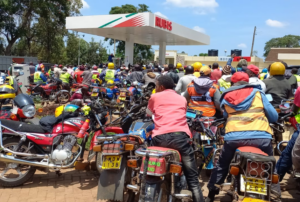
An image of Motorists lining up to get fuel in a petrol station. Photo/ Courtesy
This route carries nearly 20 percent of global oil supply. Therefore, disruptions have triggered supply delays and rising market uncertainty.
READ ALSO: Global Oil Prices Surge After Ras Tanura Strike
Local Challenges Worsen the Crisis
Additionally, local factors have intensified the shortage. The Ministry of Energy accused some marketers of hoarding fuel.
They expect price increases during the next review cycle. However, prices remain unchanged between March 15 and April 14.
Moreover, Kenya holds only about 21 days of fuel reserves. As a result, even minor delays at the Port of Mombasa quickly disrupt supply.
Government Response and Mitigation Efforts
Energy CS Opiyo Wandayi insists that national fuel supply remains stable. He continues to engage government-to-government suppliers to secure deliveries.
Furthermore, Kenya is exploring alternative fuel sources. Notably, officials are considering supplies from the Dangote Refinery in Nigeria.
What This Means for Consumers
Currently, motorists face long queues, limited purchases, and uncertainty. If delays persist, shortages could spread to more regions nationwide.
Therefore, authorities must act quickly to stabilize distribution. Ultimately, restoring supply will protect consumers and support economic activity.