

Global Oil Prices Surge After Ras Tanura Strike

Global oil markets rallied sharply on March 2, 2026, after a drone strike hit Saudi Arabia’s Ras Tanura refinery. The attack targeted one of the world’s most critical energy hubs. Consequently, Brent crude futures jumped as Middle East tensions escalated.
Ras Tanura processes about 550,000 barrels per day. Following the strike, authorities ordered a precautionary shutdown. Although officials reported limited damage, markets reacted immediately.
Immediate Market Reaction
Oil benchmarks recorded sharp gains in early Monday trading. Brent Crude surged between 10% and 12%, briefly topping $82 per barrel. However, prices later stabilized near $80.
Meanwhile, West Texas Intermediate (WTI) rose nearly 8%, trading around $72.50 per barrel.
Investors responded to supply disruption fears rather than confirmed losses. Nevertheless, the temporary closure intensified concerns about refined product shortages.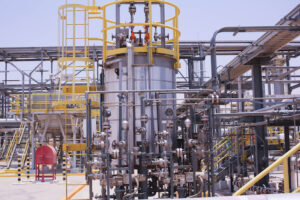
Key Factors Driving the Price Spike
Several systemic risks continue to push oil prices higher:
- Strait of Hormuz Disruptions
Tanker traffic through the Strait of Hormuz has slowed dramatically. As a result, global supply chains face mounting uncertainty. Shipping data shows cargo volumes dropped sharply within 48 hours. Therefore, traders now fear prolonged export bottlenecks.
- Escalating Retaliation
The strike followed joint U.S.–Israeli operations targeting Iranian sites. Consequently, analysts warn of a sustained retaliatory cycle. If the conflict extends beyond three weeks, producers may exhaust storage capacity. In that case, some nations could shut in production entirely.
- Rising Insurance and Freight Costs
Maritime insurance premiums have surged across the Gulf region. Additionally, some insurers have suspended vessel coverage. Therefore, shipping companies hesitate to transit high-risk waters.
Could Oil Prices Hit $100?
Experts remain divided on the duration of the rally. However, many see a clear path toward triple-digit prices.
Analysts warn that continued Hormuz disruptions could push oil above $100 per barrel. Some forecasts even suggest Brent may approach $120 during prolonged conflict.
Meanwhile, OPEC+ agreed to increase output by 206,000 barrels per day in April 2026. However, experts argue this modest boost may not offset shipping constraints.
Broader Economic Impact
Sustained high oil prices could reignite global inflation. Consequently, central banks may face renewed pressure over interest rate decisions.
As of midday March 2, markets remain highly volatile. Investors now await Saudi recovery updates and potential naval escorts reopening Hormuz.