
High Court Rejects Bid to Legalize Bhang for Rastafarian Worship
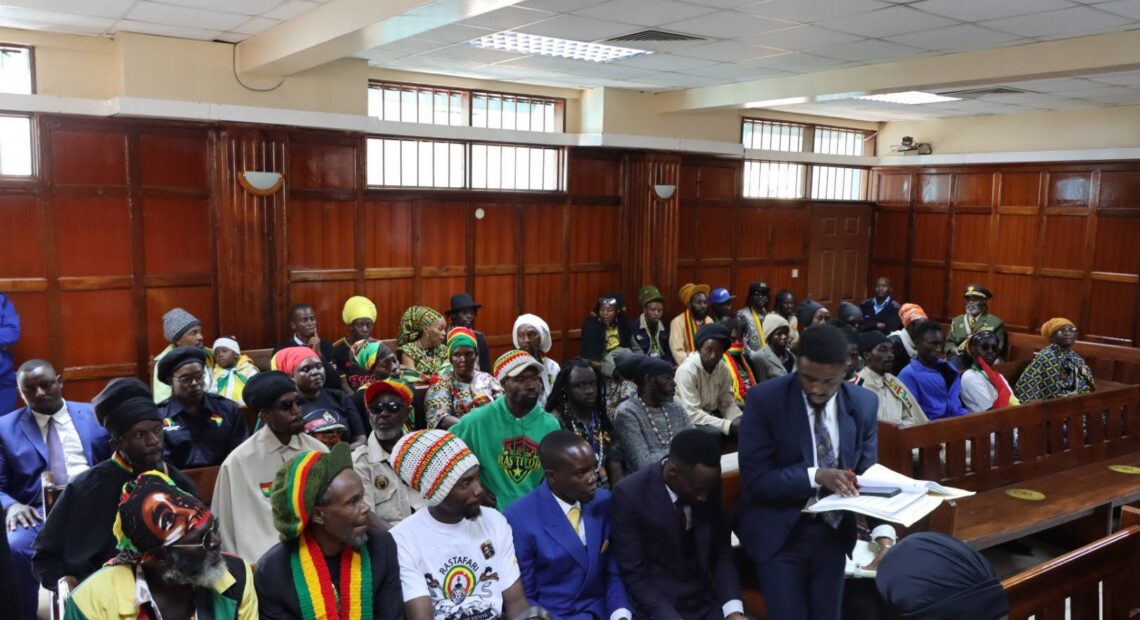
On Wednesday, July 15, 2026, the High Court dismissed a petition by the Rastafarian Society of Kenya seeking to legalize bhang for religious use.
Justice Bahati Mwamuye ruled that the petitioners failed to present sufficient and consistent evidence to support their claims. As a result, Kenya’s ban on cannabis remains unchanged.
Court Finds Evidence Inadequate
The petitioners argued that the Narcotic Drugs and Psychotropic Substances (Control) Act violated their constitutional rights. They cited freedom of religion, privacy, and equality.
However, the court found no convincing proof that cannabis use is an essential practice of the Rastafarian faith. Therefore, Justice Mwamuye dismissed the petition.
Public Health Outweighs Individual Claims
The judge ruled that the restrictions are justified under Article 24 of the Constitution.
He said the limitations reasonably protect public health, safety, and national interests. Consequently, the court upheld Kenya’s existing anti-drug laws.
Government Successfully Opposed the Petition
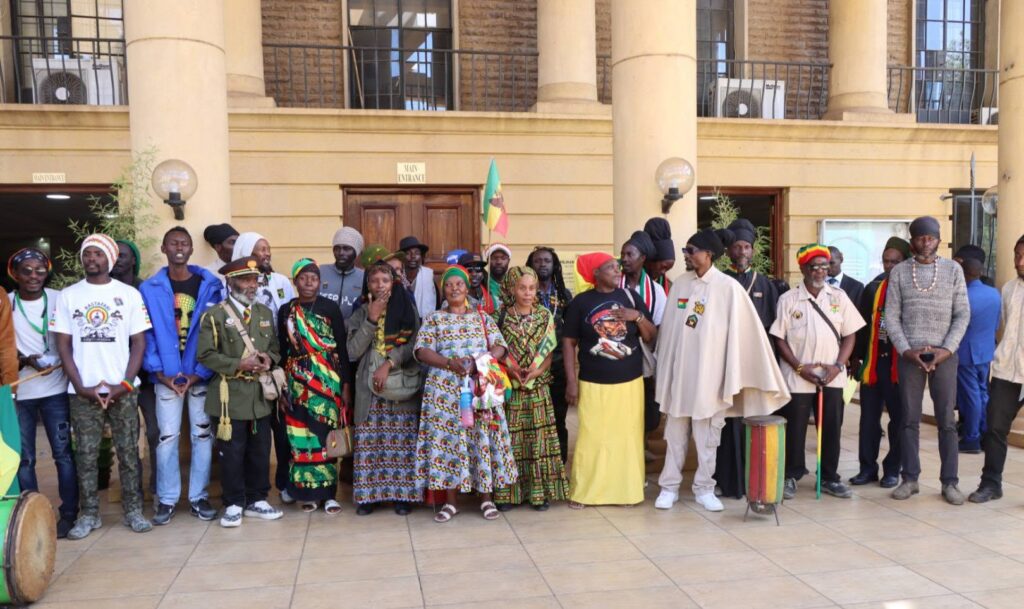
The case, filed in May 2021, faced opposition from several state agencies. These included the Attorney General, the Kenya Law Reform Commission, and NACADA.
They argued that religious exemptions would weaken drug control efforts and complicate law enforcement.
Judge Urges Broader Policy Debate
Although the court dismissed the petition, Justice Mwamuye acknowledged the growing global debate on cannabis regulation. He observed that Kenya should hold an open national discussion on future cannabis policy.
However, he emphasized that any legal changes must come through Parliament rather than the courts. For now, the possession, cultivation, and use of bhang remain illegal in Kenya, with offenders facing penalties under the Narcotic Drugs and Psychotropic Substances (Control) Act.