
Mbadi Unveils KSh 4.8 Trillion Budget
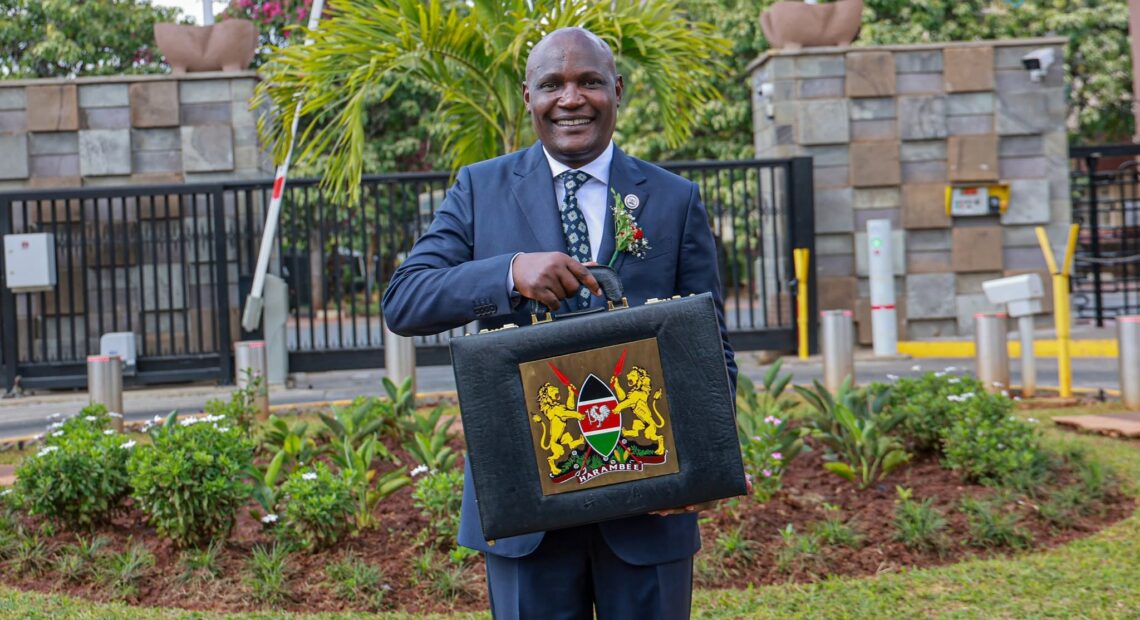
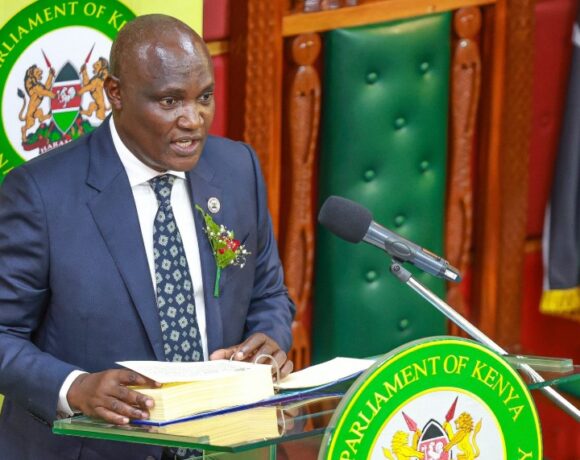
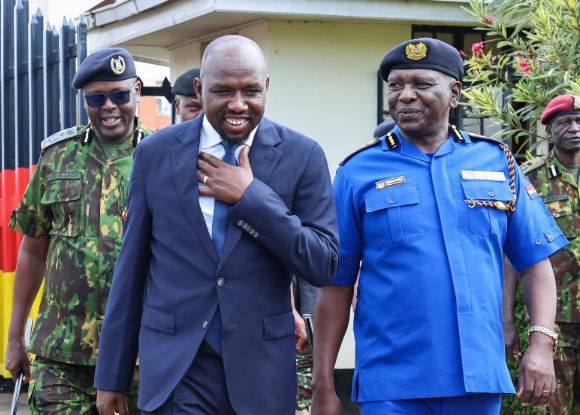
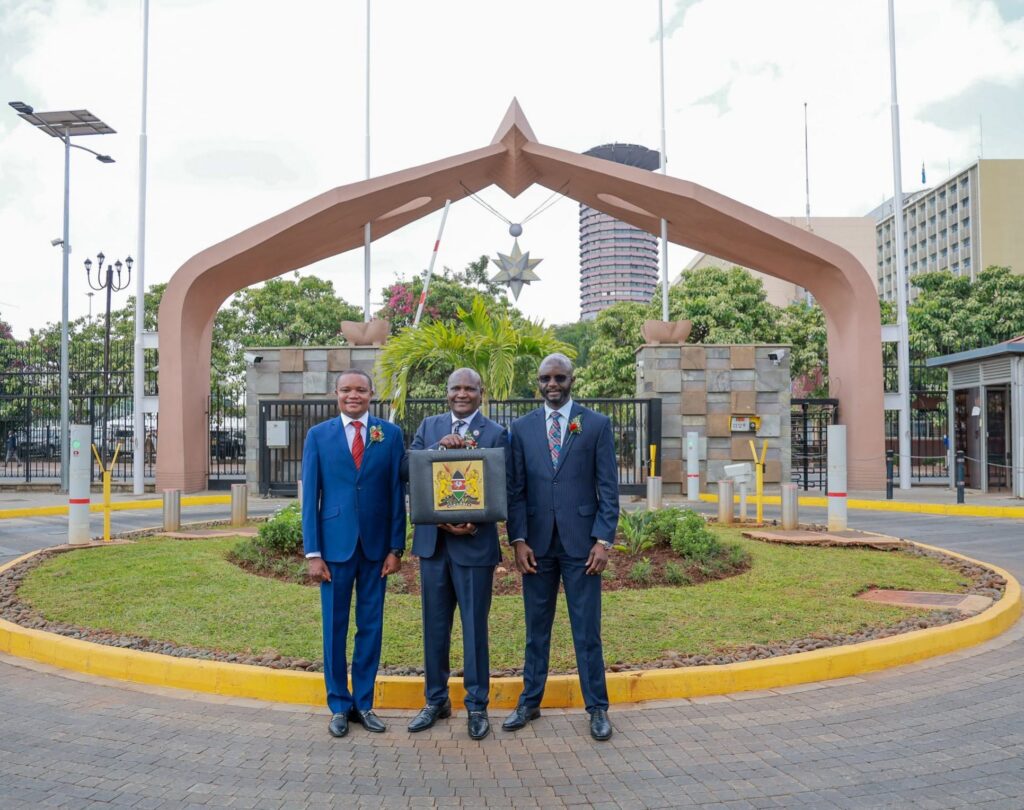
National Treasury Cabinet Secretary John Mbadi is presenting the 2026/27 national budget before Parliament today, June 11, 2026.
The budget outlines government spending plans and revenue strategies for the upcoming financial year. Consequently, lawmakers, businesses, and taxpayers are closely monitoring the proposals.
The Treasury has proposed a spending framework of approximately KSh 4.8 trillion. Additionally, the budget seeks to balance economic growth with fiscal discipline.
Education Receives the Largest Allocation
Education remains the government’s top funding priority. Consequently, the sector will receive approximately KSh 781.4 billion.
The allocation will support learning institutions, teacher recruitment, and education reforms. Additionally, funding aims to strengthen access to quality education nationwide.
The government views education as a key driver of long-term economic development.
Security and Health Receive Major Funding
National security and defence also receive substantial allocations. Consequently, the sector will receive approximately KSh 566 billion.
Of that amount, defence spending alone rises to about KSh 250 billion. Additionally, the government has allocated KSh 175.5 billion to the health sector.
The funding will support healthcare services, medical infrastructure, and public health programs. County governments will also receive KSh 428 billion through the equitable share framework.
Treasury Faces KSh 1.23 Trillion Budget Deficit
Despite the ambitious spending plan, the government faces a significant funding gap. Consequently, the projected fiscal deficit stands at approximately KSh 1.23 trillion.
The Treasury plans to bridge the shortfall mainly through domestic borrowing. Additionally, officials hope improved revenue collection will strengthen government finances.
The administration continues pursuing measures aimed at reducing excessive debt pressure.
Finance Bill 2026 Focuses on Revenue Collection
The Finance Bill 2026 avoids introducing broad new taxes. Instead, the government seeks to raise additional revenue through stronger enforcement measures.
Consequently, authorities aim to collect approximately KSh 232 billion by sealing tax loopholes. The Kenya Revenue Authority will integrate systems with eCitizen and digital payment platforms.
Additionally, the Treasury plans to enhance transaction monitoring and compliance checks. Public-private partnerships will also support infrastructure financing initiatives.
Proposals Spark Public Debate
Several Finance Bill proposals have attracted public attention. Consequently, lawmakers and stakeholders are expected to scrutinize them closely.
Among the debated measures is a proposed increase in excise duty on mobile phones. Additionally, changes affecting rental income taxation and digital platform charges have generated discussion.
The informal sector may also face stricter compliance measures.
Parliament to Debate Finance Bill
Following today’s presentation, Parliament will begin reviewing the Finance Bill 2026. Consequently, legislators will debate and vote on individual proposals.
The process will determine which measures become law before the July 1, 2026 fiscal year begins. As discussions unfold, the budget is expected to shape Kenya’s economic direction for the coming year.