
ACA Targets Kenya Traders Selling Fake Football Jerseys
On June 11, 2026, the Anti-Counterfeit Authority (ACA) issued a strong warning to traders selling counterfeit football jerseys and other fake sports merchandise. Consequently, authorities have announced an aggressive nationwide enforcement campaign targeting illegal products.
The agency says many jerseys sold at extremely low prices are counterfeit. Additionally, officials warned that traders dealing in fake branded merchandise risk severe legal consequences.
The crackdown forms part of broader efforts to protect intellectual property rights in Kenya.
Fake Jerseys Selling at Low Prices Raise Concern
According to the ACA, suspiciously cheap football jerseys often indicate counterfeit products. Consequently, officials advise consumers to exercise caution when shopping.
Many replica jerseys retail between KSh 500 and KSh 1,600. However, genuine products from major sports brands typically cost significantly more.
Additionally, authentic merchandise usually comes through authorized retailers and official distribution channels. The authority says unusually low prices should immediately raise concerns.
Major Nairobi Raid Sparks Enforcement Push
The warning follows recent enforcement operations in Nairobi. Consequently, ACA officers have intensified surveillance in key trading centres.
A recent raid at RNG Plaza resulted in the seizure of suspected counterfeit products worth more than KSh 15 million. Authorities reportedly confiscated imitation footwear and merchandise linked to international sports brands.
Additionally, the operation highlighted the scale of counterfeit trade within the country. Investigators continue tracking supply chains connected to illicit products.
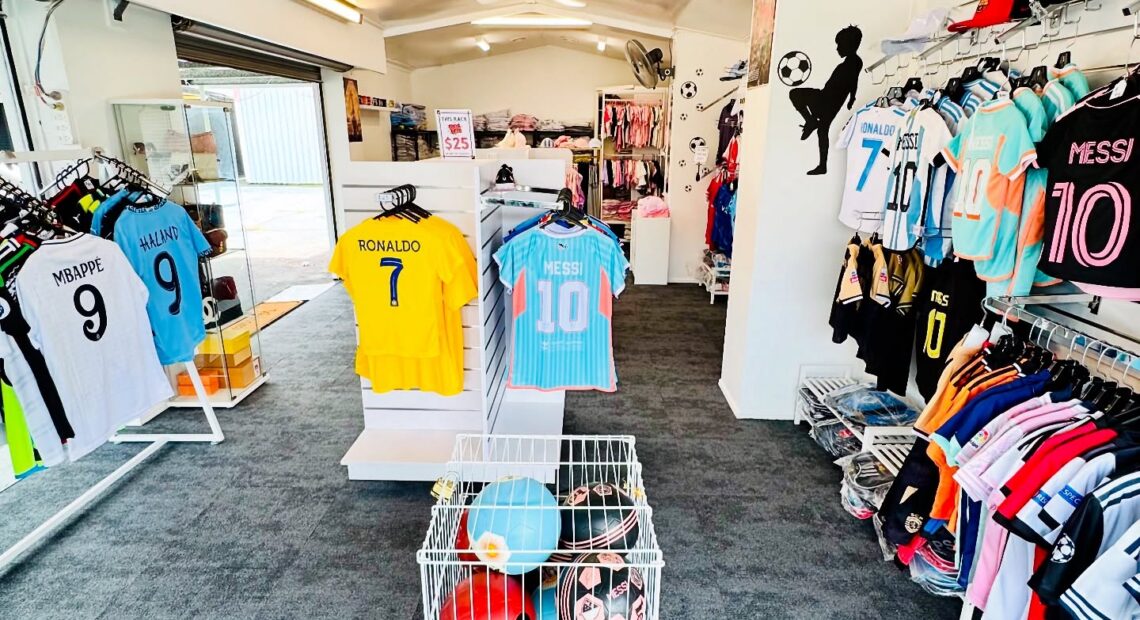
An image of a Football Jersey retail shop. Photo/ Sporter Jersey Thuy Holland
READ ALSO: Inside Kenya’s Crackdown on Counterfeit Nike and Adidas Footwear
Counterfeit Trade Hurts the Economy
Counterfeit goods continue to affect businesses and government revenue. Consequently, stakeholders have called for stronger enforcement measures.
Industry estimates suggest counterfeiting and smuggling cost Kenya hundreds of billions of shillings annually. Additionally, fake products undermine legitimate businesses and discourage investment.
International brands operating in Kenya have also increased cooperation with enforcement agencies. The goal is to strengthen protection for trademarks and intellectual property.
Traders Face Serious Legal Penalties
The ACA has warned that counterfeit trade remains a criminal offence under Kenyan law. Consequently, offenders face prosecution under the Anti-Counterfeit Act of 2008.
Convicted individuals may receive lengthy prison sentences and substantial fines. Additionally, authorities can seize and destroy counterfeit merchandise without compensation.
The agency clarified that enforcement efforts primarily target manufacturers, suppliers, wholesalers, and retailers. Therefore, investigators continue focusing on entire distribution networks.
How Consumers Can Identify Counterfeit Jerseys
The ACA encourages buyers to verify products before making purchases. First, examine the price carefully. If a newly released football jersey appears unusually cheap, it may be counterfeit.
Additionally, inspect stitching, logos, club badges, and fabric quality. Poor finishing often indicates fake merchandise.
Consumers should also purchase products from authorized stores and reputable online platforms.
As enforcement expands nationwide, authorities urge traders and shoppers to remain vigilant against counterfeit products.