
Mbadi Unveils KSh 4.82 Trillion Budget With KSh 1.11 Trillion Deficit
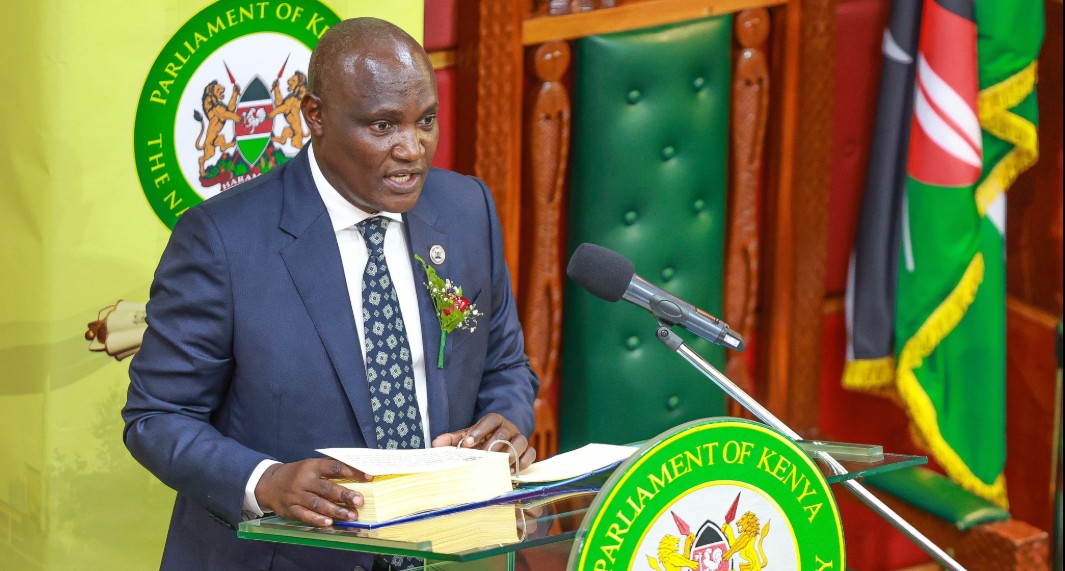
National Treasury Cabinet Secretary John Mbadi presented the KSh 4.82 trillion budget before Parliament on June 11, 2026. The budget prioritizes job creation, economic growth, and improved public services.
Additionally, it aligns closely with President William Ruto’s Bottom-Up Economic Transformation Agenda (BETA). The Treasury hopes the spending plan will accelerate development while maintaining fiscal stability.
Government Targets Higher Revenue Collection
The government expects to collect KSh 3.63 trillion in total revenue. Consequently, ordinary tax revenue will contribute approximately KSh 2.985 trillion.
Despite the projected collections, a fiscal deficit of KSh 1.11 trillion remains. Therefore, the Treasury plans to finance most of the gap through domestic borrowing.
Approximately KSh 995.7 billion will come from local sources. Meanwhile, external financing will contribute KSh 116.2 billion.
The strategy aims to reduce dependence on foreign debt.
Education Receives the Largest Allocation
Education remains the biggest beneficiary of the budget. Consequently, the sector will receive KSh 781.4 billion. The allocation includes KSh 4.9 billion to confirm 20,000 intern teachers on permanent terms.
Additionally, KSh 56.7 billion will support higher education financing through HELB. The government believes education remains critical for economic transformation.
Health, Housing and Counties Receive Major Funding
The health sector has received KSh 175.5 billion. Consequently, the allocation will support Universal Health Coverage initiatives.
The Primary Healthcare Fund will receive KSh 19.1 billion. Additionally, KSh 4 billion will address emergency and chronic illnesses.
Housing and urban development will receive KSh 138.2 billion. Of that amount, KSh 50 billion will support the Affordable Housing Programme. County governments will also receive KSh 495.8 billion. The funding aims to strengthen service delivery across the 47 counties.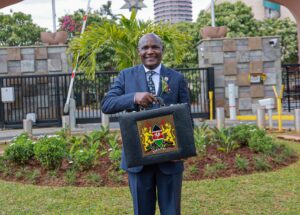
READ ALSO: Mbadi Unveils KSh 4.8 Trillion Budget
Agriculture and Judiciary Benefit
The government has allocated KSh 17.5 billion to irrigation projects. Consequently, officials aim to strengthen food security and reduce climate-related risks.
The Judiciary will receive KSh 30.3 billion. Additionally, the allocation supports judicial independence and efficient service delivery.
Treasury Announces Key Reforms
The Treasury emphasized compliance instead of introducing major new taxes. Consequently, the Kenya Revenue Authority will deploy AI-powered systems to improve tax collection.
Additionally, the government plans to introduce the Planning Bill 2026. The legislation will align budget implementation with long-term development goals.
From July 1, all public procurement will shift to mandatory electronic systems. The government also plans to clear KSh 155.3 billion in verified pending bills.
Meanwhile, banks will have until December 31, 2032, to meet higher capital requirements. The Treasury further proposed reforms supporting agricultural insurance to protect farmers from climate shocks.
Budget Seeks Growth and Accountability
The 2026/27 budget combines spending, reforms, and revenue measures. Consequently, the government hopes to stimulate economic growth while improving accountability.
Parliament will now debate the proposals before final implementation begins on July 1, 2026.