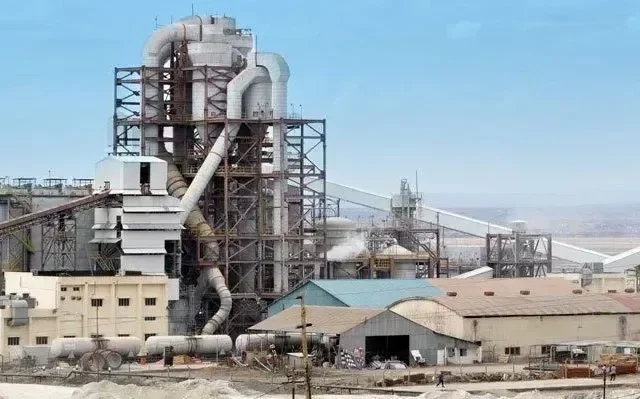
China’s industrial plan targets cleaner manufacturing and expanded renewable energy use.
China’s 2026–2030 industrial plan targets cleaner manufacturing, while African economies could pursue investment in processing, energy and electric mobility.
China’s green industrial transition could open new investment opportunities for Africa in mineral processing, clean energy and manufacturing. Its 2026–2030 industrial green-development plan sets targets for energy efficiency, zero-carbon factories and cleaner production.
The plan aims to cut energy consumption per unit of industrial value added by more than 10 per cent. It also targets 500 zero-carbon factories and a peak in industrial carbon dioxide emissions by 2030.
Alongside those goals, China seeks to expand renewable energy use in industrial production and develop electric vehicles and energy storage. The plan also promotes new-energy equipment, industrial recycling and low-carbon hydrogen.

Green industrial transition offers routes beyond mineral exports
For Africa, the potential extends beyond supplying minerals for clean technologies, argues Nairobi-based scholar and commentator Mwangi. He identifies local processing, manufacturing and technology transfer as opportunities for deeper economic cooperation with China.
African countries hold lithium, cobalt, graphite, manganese and copper, which support batteries, electric vehicles and renewable energy systems. As demand grows, these resources could help countries attract investment across emerging industrial supply chains.
However, capturing more value would require investment beyond raw-material exports. Battery components, electric vehicle assembly and renewable energy equipment offer potential routes into local manufacturing.
Mwangi argues that joint ventures and manufacturing partnerships could combine China’s industrial experience with Africa’s resources and markets. Technical training, research and infrastructure investment could also support local skills and industrial capacity.
Regional markets and reliable power remain central
The African Continental Free Trade Area offers another route to developing these industries across national borders. By reducing trade barriers and strengthening regional markets, the agreement could support production networks serving buyers across the continent.
Different countries could therefore host different stages of production, building on their respective strengths. Wider markets could also make industrial projects more attractive to investors.
Meanwhile, cooperation in solar technology, wind power and energy storage could support efforts to expand electricity access. Reliable, affordable power remains essential for manufacturing, alongside Africa’s solar, wind, geothermal and hydropower resources.
To realise these opportunities, Mwangi calls for sustained investment in transport networks, ports, logistics, technical education and research. He also argues that predictable government policies would encourage long-term investment and strengthen local participation in new industries.
Such measures could help African economies move beyond commodity trade towards partnerships in manufacturing, energy, innovation and skills development.