
South Africa Faces Economic Fallout From Xenophobic Protests
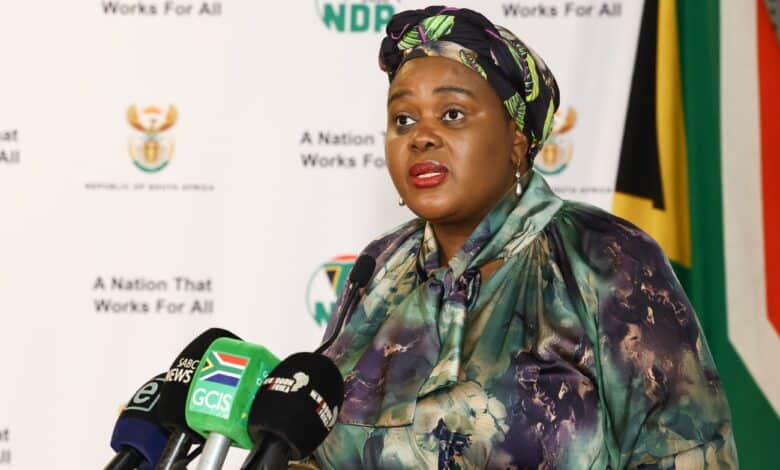
South Africa’s Justice Minister, Mmamoloko Kubayi, has warned that anti-immigrant protests are causing serious damage.Speaking during an Inter-Ministerial Committee on migration briefing, Kubayi addressed growing concerns over recent unrest.
For weeks, organised groups have staged protests targeting foreign nationals. Protesters claim immigrants contribute to unemployment and crime. However, the government has strongly rejected unlawful actions against migrants.
Government Rejects Vigilante Immigration Enforcement
Kubayi firmly instructed citizens to stop conducting identity and passport checks. According to the minister, only the state has the legal authority to enforce immigration laws.
Furthermore, the government rejected a June 30 eviction deadline proposed by the anti-illegal immigration movement March and March.
She stressed that immigration enforcement remains a government responsibility. As a result, authorities continue to discourage vigilante actions across the country.
South Africa Reaffirms Position on Refugees and Migrants
Kubayi also clarified South Africa’s refugee policy. She explained that the country does not operate refugee camps.
Instead, legally residing migrants must either integrate safely into communities or choose voluntary repatriation. Therefore, the government remains committed to protecting the rights of lawful residents.
Entertainment Industry Suffers Financial Losses
Meanwhile, the protests have significantly affected South Africa’s creative sector. Many local artists depend heavily on performances across Africa. Consequently, several concerts and entertainment events have faced cancellations.
The thriving Amapiano music scene has been particularly affected. As bookings disappear, artists and promoters continue to lose substantial revenue. Moreover, the country risks losing its influence in regional entertainment markets.
Businesses Face Regional Backlash
The impact extends beyond the entertainment industry. Several South African companies operating across Africa are reportedly facing challenges.
Some businesses have experienced backlash in host countries following the unrest. Therefore, economic concerns continue to grow among investors and stakeholders.
Diplomatic Relations Under Pressure
The protests have also strained relations with neighbouring African countries. Governments in Ghana, Malawi, and Mozambique have initiated emergency repatriation efforts. These measures aim to protect citizens who fear for their safety in South Africa.
Kubayi acknowledged the reputational damage caused by the unrest. “The brand is hurting,” she admitted during the briefing.
The government is now working with cultural agencies and foreign partners. Its goal is to reassure the continent that South Africans are not inherently xenophobic. As tensions persist, leaders are calling for unity, lawful conduct, and stronger regional cooperation.