

Kenya’s Flower Industry Bleeds Millions as Fuel Crisis Disrupts Exports
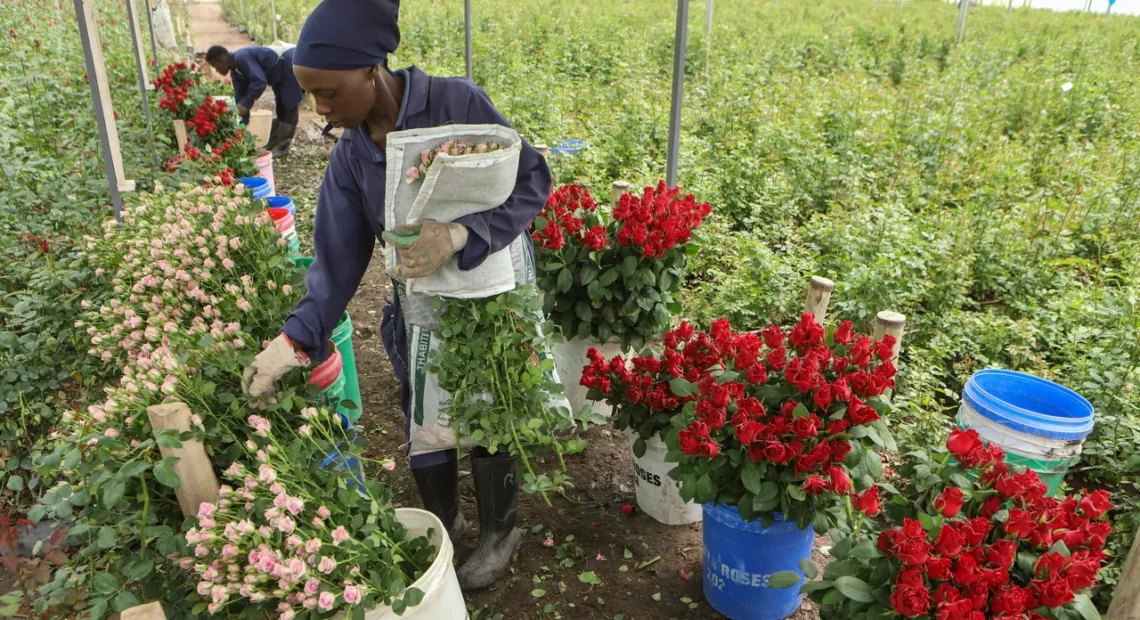
In March 2026, Kenya’s flower sector faces severe losses due to global disruptions. Specifically, weekly losses reached $1.4 million, totaling over $4.2 million in three weeks. Moreover, the crisis threatens one of Kenya’s top foreign exchange earners.
Jet Fuel Shortage Disrupts Global Supply Chains
Firstly, jet fuel shortages have crippled cargo transportation across key routes. Notably, about 70% of Africa’s aviation fuel passes through the Strait of Hormuz.
However, ongoing conflict has slowed shipping and reduced fuel availability. As a result, airlines struggle to maintain regular cargo operations.
Freight Costs and Flight Disruptions Rise
Consequently, air freight costs have surged to $5.80 per kilogram. This rate is more than double the usual cost and the highest in a decade.
Additionally, many Middle Eastern airlines have suspended operations. Meanwhile, European carriers face limited capacity and frequent delays.
Furthermore, disruptions at Dubai International Airport have worsened the situation. This hub connects Kenya to key global flower markets.
READ ALSO: Oburu Odinga Jets to Dubai for Three-Day Break After Intense Month
Farmers Count Heavy Losses
As logistics fail, flower farms are discarding large volumes of produce. For example, some farms now dump nearly half of their daily harvest.
Previously, farms exported about 450,000 stems daily. Now, exports have dropped to nearly 150,000 stems per day.
Additionally, the crisis threatens over 500,000 jobs linked to floriculture. Therefore, prolonged disruption could trigger widespread layoffs.
Industry Pushes for Urgent Solutions
In response, stakeholders are urging immediate government intervention:
- Firstly, they propose direct cargo flights to Europe to bypass affected routes.
- Secondly, they recommend reviewing fuel pricing to stabilize supply chains.
- Moreover, industry players seek alternative routing to protect perishable goods.
Uncertain Future for a Key Export Sector
Ultimately, the crisis exposes Kenya’s reliance on global logistics networks. Although solutions are under discussion, uncertainty remains high.
Therefore, swift action is necessary to protect farmers and export revenues.