Kenya secured a new ITU Council term running from 2027 to 2030.
Kenya secured 136 votes in Doha to retain its seat for 2027–2030, leading the field of 19 African candidates.
Kenya has won another four-year term on the ITU Council after securing 136 votes, the highest tally among African candidates. The country will serve from 2027 to 2030.
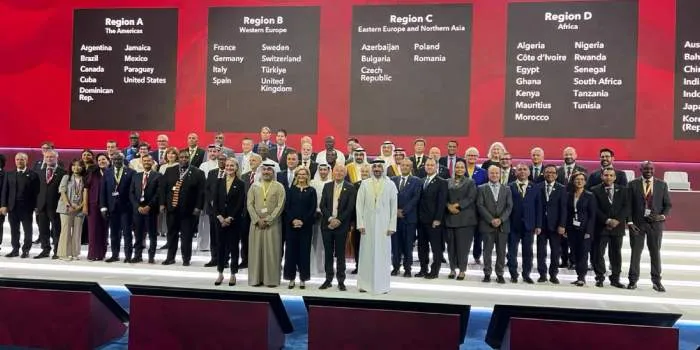
The election took place during the International Telecommunication Union’s Plenipotentiary Conference, PP-26, in Doha, Qatar. Kenya competed against 18 other African countries for 13 seats allocated to the continent under Region D.
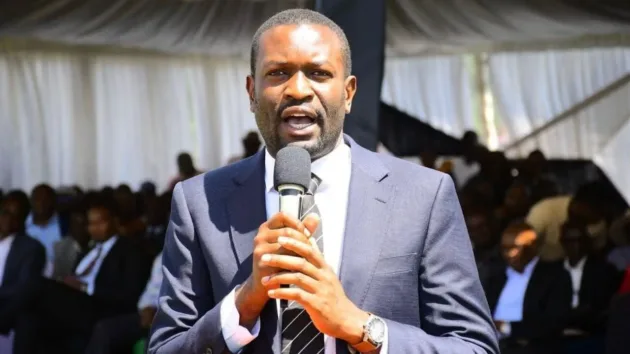
ICT Cabinet Secretary William Kabogo led Kenya’s campaign alongside the country’s ambassador to Qatar and the Communications Authority of Kenya.

Kenya’s campaign for the ITU Council
Before the vote, the Kenyan delegation held bilateral meetings with other countries and hosted receptions for attending member states. Kabogo also hosted a high-level luncheon on the conference sidelines to seek support from voting delegates.
The African contest included Kenya’s neighbours Uganda and Tanzania, alongside Rwanda, Nigeria, South Africa, Egypt and Ghana. Morocco, Algeria and Tunisia also sought seats on the council.
Cabo Verde, Côte d’Ivoire, the Democratic Republic of the Congo, Gabon, Libya, Mali, Mauritius and Senegal completed the field. With 19 candidates seeking 13 places, six countries would miss out.
Meanwhile, Kenya’s embassy in Qatar said the result reflected the country’s longstanding commitment to international telecommunications cooperation. Kenya’s partnership with the UN agency spans 62 years.
Global role in telecommunications
The ITU is a specialised United Nations agency that coordinates global information and communication technologies, including telecommunications infrastructure and services. It manages radio-frequency spectrum and satellite orbits to help prevent interference across communication systems.
That work covers mobile networks, Wi-Fi, GPS and emergency communications. The agency also develops international technical standards and assigns international country calling codes.
Through its Radiocommunication sector, the ITU coordinates wireless communication, while its Telecommunication Standardisation sector establishes network standards. Its Telecommunication Development sector also supports developing countries as they expand broadband infrastructure and work to bridge the digital divide.
Beyond those technical functions, the agency gives governments and private companies a platform to address cybersecurity and artificial intelligence. It also supports discussions on emergency telecommunications during disasters.