Kenya needs more qualified auditors to support animal health laboratory assessments.
Kenya has just nine qualified animal health laboratory auditors as regional training seeks to strengthen quality checks and disease surveillance.
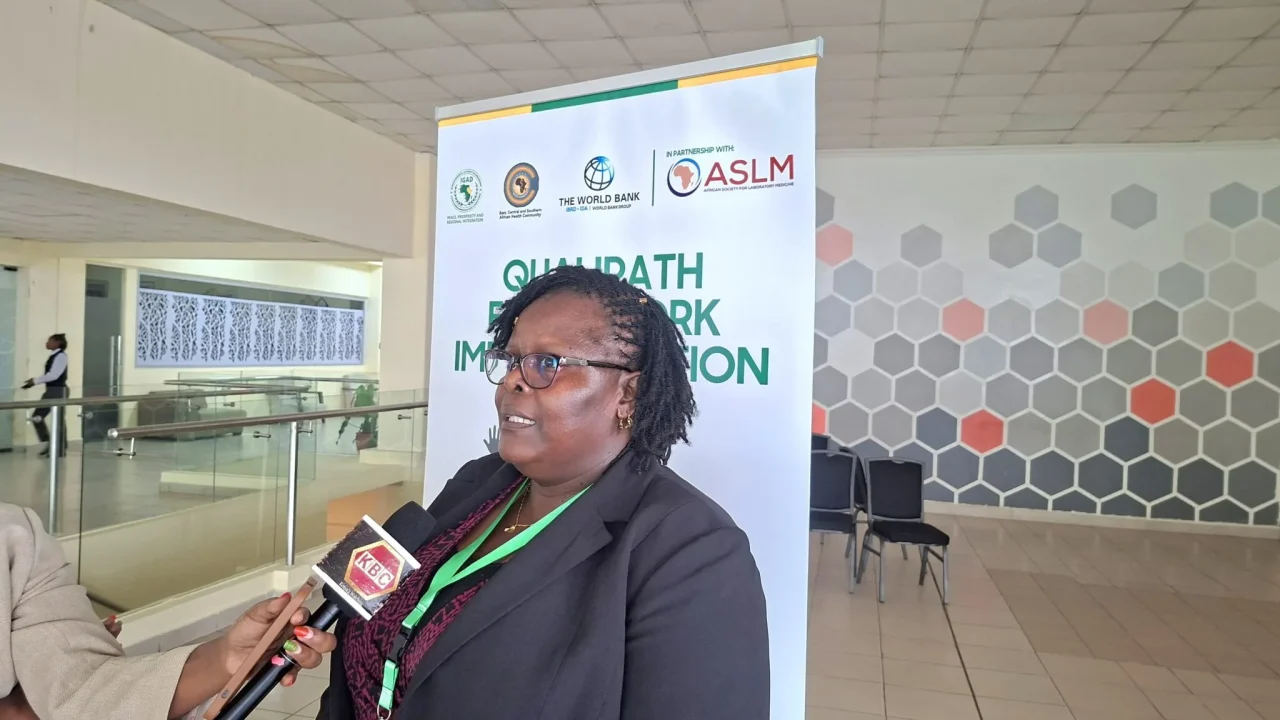
Kenya faces an animal health laboratory auditor shortage that could slow accreditation and weaken early disease detection. The country has only nine qualified auditors, Deputy Director of Veterinary Services Romona Ndanyi has warned.
Ndanyi said Kenya needs more trained personnel to assess laboratories, maintain standards and support facilities county governments are establishing. However, retirement and staff attrition have reduced the available pool.
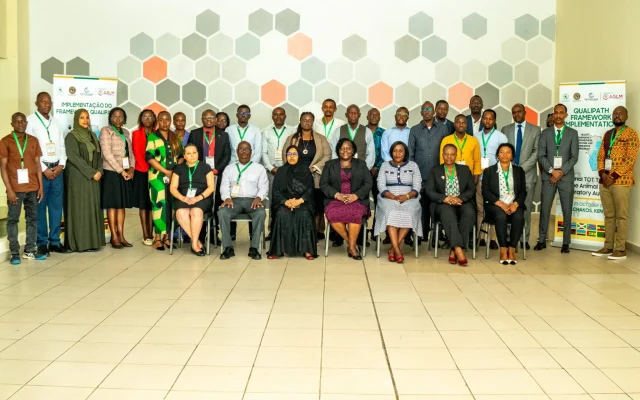
The warning comes as Kenya hosts a regional workshop involving representatives from nine African countries. Through the new QualiPath framework, participants will develop skills to train auditors and mentor laboratory staff.

Laboratory auditor shortage strains quality checks
Ndanyi said the Directorate of Veterinary Services oversees 10 laboratories, while county facilities also need assessment, auditing and mentorship. The existing nine auditors cannot adequately meet those needs, she said.
Kenya began pursuing animal health laboratory accreditation in 2017 and secured accreditation for three facilities by 2022. Those laboratories have since maintained their ISO 17025:2017 status, which sets competence requirements for testing and calibration laboratories.
However, Ndanyi identified inadequate funding, staff shortages and costly equipment maintenance as continuing obstacles. Some specialised equipment requires servicing by experts who are unavailable locally, forcing authorities to seek services abroad.
Limited recruitment has also affected staffing levels needed to produce timely results. Ndanyi stressed that laboratories must deliver credible, reliable findings to guide disease control and public health preparedness.
Regional training targets assessment and mentorship
The World Bank-funded Health Emergency Preparedness and Response programme supports the initiative to strengthen animal health laboratory systems. It also aims to improve readiness to detect infections that can pass from animals to humans.
Dr Waqo Gufu Boru, a senior medical epidemiologist at IGAD, outlined the workshop’s training goals. He said participants would learn to conduct both internal and external assessments of animal health laboratories.
The workshop brings together Kenya, Malawi, São Tomé and Príncipe, Mozambique and the Democratic Republic of the Congo. Rwanda, Zimbabwe, Burundi and Ethiopia also have representatives, while the wider programme covers 11 Eastern and Southern African countries.
QualiPath helps laboratories monitor performance and gradually improve their quality management systems towards accreditation. Boru said baseline assessments of priority laboratories in five countries would begin in November. Assessments in the remaining participating countries would follow the next year.
Those findings will establish existing capacity and identify gaps before further training and mentorship begin. Participants will then develop quality management, auditing and mentorship skills for use at national and subnational facilities.
Linking animal surveillance to public health
The initiative also promotes cooperation between animal, human and environmental health authorities through the One Health approach. This approach recognises the connections between people, animals and ecosystems.
Boru said stronger animal surveillance could identify infections before they reach humans, giving public health authorities more preparation time. He cited Ebola, mpox and influenza to illustrate the need for closer coordination between health systems.
Meanwhile, Ndanyi said workshop trainees would support further training and mentorship beyond the laboratories represented at the meeting. The programme aims to widen the network of skilled laboratory personnel and improve coordination across participating countries.