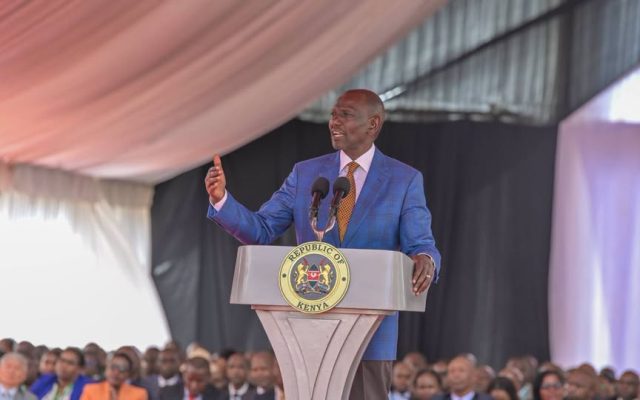


Kenya spent 77.6% of its tax revenue on public debt servicing between July and September, according to figures provided in a report dated October 10, 2026. The National Treasury collected KSh 631.8 billion in taxes but spent KSh 490.5 billion servicing debt during the period.

The figures highlight growing pressure on government finances. They also raise concerns about the money available for public services, infrastructure projects, and civil servants’ salaries.
Kenya’s Public Debt Exceeds KSh 13.5 Trillion
Kenya’s total public debt has reportedly crossed KSh 13.5 trillion. The supplied report attributes the increase partly to an additional KSh 1.25 trillion in borrowing over the past year.
Domestic debt accounts for approximately KSh 7.78 trillion, while external debt stands at KSh 5.77 trillion.
The government raises domestic debt through Treasury bills and bonds sold to local investors. External borrowing includes loans from foreign governments and international financial institutions.
Heavy domestic borrowing can also limit credit available to private businesses. Banks may prefer government securities over lending to businesses and individuals, potentially increasing borrowing costs.
Debt Servicing Could Reach KSh 2.3 Trillion
National Treasury projections cited in the report indicate that annual debt servicing could reach KSh 2.3 trillion by June 2027.
Interest payments alone are projected to account for KSh 1.295 trillion. This would consume substantial public resources without directly reducing the original loan balances.
The rising cost of servicing debt could leave the government with less money for development projects and essential services.
How Kenya’s Debt Burden Affects Citizens
The growing debt burden could affect households and businesses in several ways.
Tax pressure: The government may face greater pressure to improve tax collection and enforce compliance to meet its financial obligations.
Expensive business loans: Heavy government borrowing can compete with private businesses for domestic credit. This may limit access to affordable financing.
Currency pressure: Kenya needs foreign currency to repay external debt. Large repayments can increase demand for US dollars and put pressure on the Kenyan shilling.
What Investors Should Consider
Investors may consider Treasury bills, infrastructure bonds, and money market funds when planning their portfolios. However, each option carries different risks, liquidity conditions, and potential returns.
Infrastructure bonds may offer tax advantages under applicable Kenyan rules. Investors should confirm the terms of individual issues before investing.
Money market funds provide another option for managing short-term cash, although returns, fees, and withdrawal conditions vary.
Holding some foreign-currency assets may diversify currency exposure. However, exchange-rate movements can create losses as well as gains.
Kenya’s debt burden remains a major fiscal concern. The government’s ability to manage borrowing costs, increase revenue, and support economic growth will shape the country’s financial outlook.