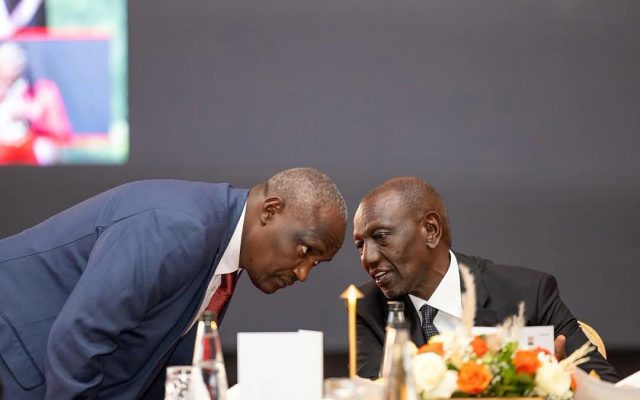



President William Ruto announced plans on Friday, October 9, 2026, to import dairy buffaloes and improved camel breeds to address Kenya’s milk shortage. He made the announcement during the Agriculture and Food Security Summit at Jamhuri Park in Nairobi.

Ruto directed Livestock Development Principal Secretary Jonathan Mueke to oversee the proposed imports. The initiative aims to diversify milk production and increase supply as drought continues to affect livestock farming.
Drought Drives Milk Shortage
Kenya’s milk supply has faced pressure as dry conditions reduce pasture and livestock productivity. Reports indicate that formal milk deliveries to processors fell from 84.4 million litres in June 2026 to 81.3 million litres in July.
Deliveries reportedly declined further in the following months. Meanwhile, milk shortages have pushed the retail price of a 500ml packet to between KSh 75 and KSh 80, according to reports.
Ruto Eyes Buffalo and Camel Milk
The President pointed to India’s dairy industry as a model for expanding buffalo farming. India uses high-yield river buffalo breeds, including Murrah, to produce milk with high fat content.
The proposed imports could help Kenya explore buffalo farming as an additional source of milk and meat. However, farmers and officials would need to assess the animals’ suitability for local conditions.
Ruto’s plan also targets camel milk production, which commands higher prices in some urban markets. Reports indicate that camel milk sells for between KSh 180 and KSh 200 per litre in Nairobi.
Improved camel breeds could increase yields, although actual production would depend on breeding, feeding, animal health, and farm management.
Experts Flag Biosecurity Concerns
The proposed imports could face veterinary and environmental challenges. Introducing water buffaloes would require strict quarantine measures and disease surveillance to protect livestock and local ecosystems.
Experts have also raised concerns about competition for resources and possible interactions with native wildlife. Authorities would need to address these risks before expanding the programme.
The government has reportedly considered starting buffalo farming through a small pilot project. Such a trial could help officials evaluate productivity, costs, and adaptability before considering wider adoption.
The success of the initiative will depend on careful implementation and whether the new breeds can deliver a reliable, affordable addition to Kenya’s milk supply.