

Shilling Weakens After Record Fuel Price Hike
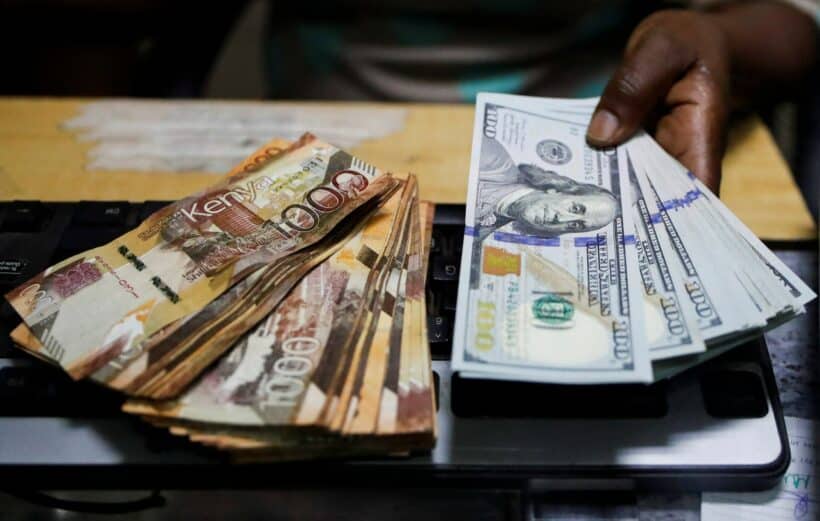
The Kenyan Shilling recorded a slight decline against major global currencies recently. The depreciation followed Kenya’s latest fuel price increase.
Additionally, the Central Bank of Kenya released updated exchange rate figures. The shilling closed at KSh129.33 against the U.S. Dollar.
Previously, the currency traded at KSh129.19 per dollar. Therefore, analysts linked the decline to rising fuel costs.
The shilling also weakened against the Euro during the week. Economic pressures continue affecting Kenya’s foreign exchange market.
Fuel Price Hike Intensifies Economic Pressure
Energy and Petroleum Regulatory Authority announced major fuel price adjustments recently. The May–June cycle recorded sharp increases nationwide.
Additionally, petrol prices rose by KSh16.65 per litre in Nairobi. The new petrol price reached KSh214.25 per litre.
Diesel prices increased even more dramatically nationwide. The cost jumped by KSh46.29 per litre.
Therefore, diesel retail prices climbed to KSh242.92 in Nairobi. Transport operators immediately felt increased operating pressure.
Analysts described the fuel hike as historically significant. Many businesses now expect higher operational expenses.
Global Oil Prices Continue Affecting Kenya
Kenya imports large volumes of petroleum products annually. Fuel purchases rely heavily on U.S. Dollar transactions globally.
Additionally, petroleum products account for nearly 25 percent of imports. Rising crude oil prices have strained dollar reserves further.
Ongoing Middle East conflicts continue driving global oil prices upward. Murban crude recently approached 94.84 dollars per barrel.
Therefore, Kenyan companies now require more dollars for imports. This demand continues weakening the local currency gradually.
The global U.S. Dollar Index also strengthened recently. International investors expect prolonged high American interest rates.
Additionally, emerging market currencies continue facing mounting pressure worldwide. Kenya’s shilling remains vulnerable to these global shifts.

READ ALSO: CBK Warns Kenyans Against Defacing Notes in Money Bouquets
Transport Costs and Inflation Risks Increase
Transport operators quickly adjusted fares after diesel prices surged. Several long-distance bus companies raised ticket prices immediately.
Additionally, businesses warned about rising production costs nationally. Manufacturers expect more expensive raw material imports soon.
The Kenya National Chamber of Commerce and Industry raised inflation concerns publicly. Officials warned consumers could face higher commodity prices.
Therefore, households may experience increased living expenses nationwide. Food, transport, and utility prices may rise further.
Businesses also fear reduced consumer purchasing power. Many Kenyans continue struggling with economic challenges currently.
Economists Warn of Broader Financial Impact
Financial analysts continue monitoring Kenya’s economic outlook carefully. Currency depreciation may increase repayment costs for imports.
Additionally, inflationary pressure could affect household spending patterns. Small businesses may experience declining profit margins.
Therefore, economists urge stronger monetary and fiscal coordination. Authorities may introduce measures to stabilize the currency.
The Central Bank continues monitoring foreign exchange reserves closely. Officials also track inflation and fuel market trends regularly.
Fuel Prices Deepen Currency and Inflation Concerns
The Kenyan shilling weakened after the latest fuel price surge. Global and domestic factors continue straining the economy.
Additionally, transport costs and inflation fears remain high nationwide. Businesses and consumers now await government intervention measures closely.
Ultimately, fuel prices continue shaping Kenya’s economic stability significantly. Therefore, policymakers face mounting pressure to manage rising costs effectively.


