

Wandayi Explains Kenya’s Fuel Shortage Crisis
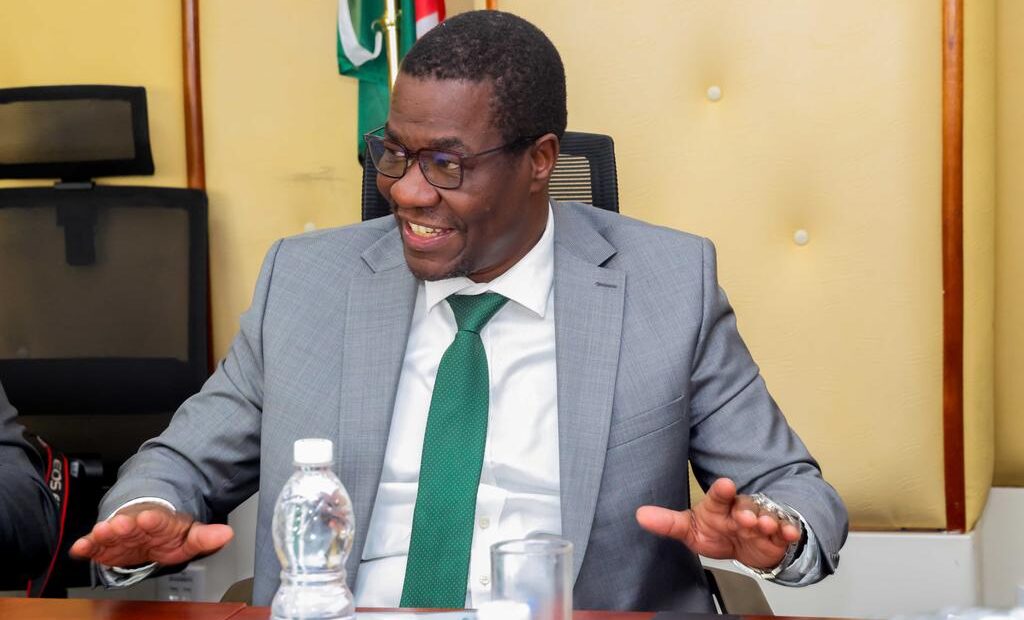
Opiyo Wandayi has addressed concerns over fuel shortages. He blamed the disruption on technical and administrative challenges.
Therefore, the government moved quickly to calm motorists. Officials assured Kenyans that fuel stocks remain sufficient.
Technical Hitch Disrupted Fuel Distribution
The Energy Ministry released a statement on May 6, 2026. It explained the source of the shortage.
Additionally, Wandayi cited downstream supply chain problems. Some oil marketers struggled to access petroleum products.
Therefore, fuel delivery slowed at several stations. The disruption created panic among motorists.
Government Says Crisis Has Been Resolved
Authorities stated the issue was temporary. The technical hitch was reportedly resolved by Wednesday afternoon.
Additionally, fuel restocking immediately began nationwide. Affected stations started receiving fresh supplies.
Therefore, officials expected normal operations quickly. The ministry projected stability before day’s end.
Long Queues Formed Across Major Towns
The shortage caused confusion in many urban areas. Motorists lined up at fuel stations early.
Additionally, Nairobi experienced major congestion around pumps. Other towns also reported delayed fuel access.
Therefore, demand increased sharply within hours. Some drivers feared a prolonged crisis.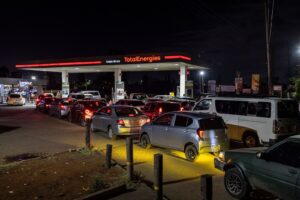
READ ALSO: Wandayi Calls Emergency Meeting Over Fears of Fuel Shortage in Kenya
Government Urges Public to Avoid Panic Buying
The ministry appealed for calm nationwide. Officials discouraged unnecessary fuel hoarding.
Additionally, the government clarified the shortage was isolated. It did not affect every filling station.
Therefore, authorities rejected claims of a national shortage. They emphasized that reserves remain adequate.
Regional Factors Continue Affecting Fuel Markets
Kenya’s fuel sector also faces external pressure. Regional market instability continues affecting supply chains.
Additionally, geopolitical tensions have disrupted global fuel markets. Logistical bottlenecks increased pressure on local distributors.
Therefore, supply systems remain vulnerable to shocks. Import-dependent economies face growing uncertainty.
Oil Marketing Companies Face Distribution Challenges
Some marketers struggled to lift products efficiently. Administrative delays affected distribution timelines.
Additionally, transport coordination challenges slowed deliveries. Fuel movement across regions became inconsistent.
Therefore, certain stations temporarily ran dry. Consumers experienced delayed service at pumps.
Fuel Supply Expected to Stabilize Quickly
The government maintains the situation is under control. Officials insist Kenya has enough fuel reserves.
Additionally, restocking efforts continue across affected areas. Authorities expect smooth distribution moving forward.
Ultimately, the ministry wants motorists to remain calm. Therefore, panic buying remains unnecessary at this stage.