NCIC faults Kajiado Governor Joseph Ole Lenku over remarks on Maasai political loyalty.
The National Cohesion and Integration Commission (NCIC) has faulted Kajiado Governor Joseph Ole Lenku over remarks targeting political parties that fail to give the Maasai community senior leadership positions.
The commission warned that his comments risk promoting political exclusion and undermining peaceful coexistence in the cosmopolitan county.
In an administrative determination issued on Friday, November 20, 2026, NCIC proposed several remedial measures for the governor. These include a public statement affirming his commitment to inclusive politics, a written undertaking against threatening language and a county peace and cohesion forum.
Lenku has seven days to notify the commission in writing whether he accepts the proposed measures, rejects them or seeks changes.

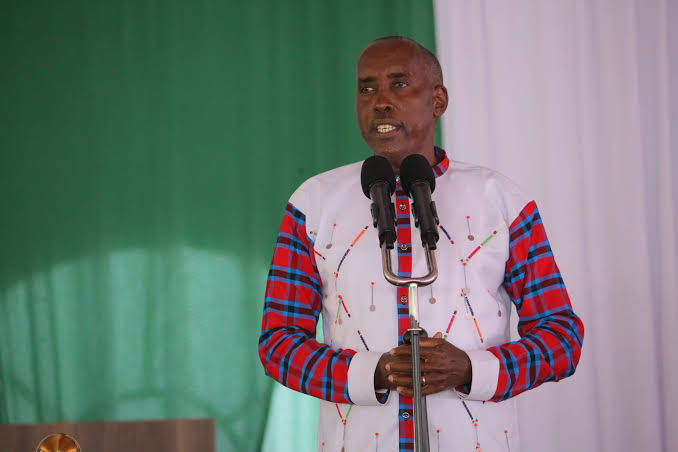
The inquiry followed a video recording of the governor addressing the Maasai community’s political representation. He discussed party leadership and nomination positions considered important to the community in Kajiado and Narok counties.
During the address, Lenku reportedly described political parties that denied Maasai representatives senior positions as “adui wetu” (our enemies).
He also warned those choosing alternative political arrangements that they would “utajipata taabani” (find themselves in difficulty).
NCIC Rejects Ole Lenku’s Political Remarks
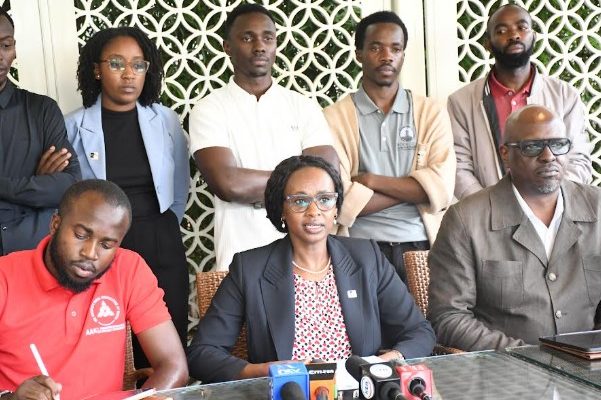
Lenku appeared before the commission on September 17, accompanied by his lawyers and county officials. During the proceedings, he acknowledged the factual accuracy of the remarks presented to him.
His legal team from AMA Advocates LLP argued that he spoke as an elected governor and spokesperson of the Maa community.
They maintained that his address focused on political positioning, nomination criteria and historical grievances. The lawyers further argued that he addressed political choices rather than targeting ethnic communities.
They also defended his references to enemies and difficulties as expressions of political association and electoral competition. According to the legal team, the remarks did not amount to threats of violence or incitement to ethnic hatred.
However, NCIC rejected that interpretation, saying the language introduced an element of coercion into democratic participation.
The commission argued that portraying alternative political structures as enemies could intimidate citizens exercising their political rights.
It also warned that the remarks could alienate non-Maasai communities living in Kajiado. Consequently, NCIC said the comments threatened the county’s peaceful coexistence.
The commission acknowledged that communities have legitimate reasons to demand political representation and address historical injustices.
These include land dispossession, marginalisation and unequal access to leadership opportunities. However, it maintained that such grievances cannot justify language that intimidates or excludes other communities.
Four Measures NCIC Wants Ole Lenku to Implement
The commission outlined four remedial measures aimed at addressing the concerns raised by the governor’s remarks.
First, NCIC wants Lenku to issue a public statement committing to dialogue, inclusivity and the rule of law in political negotiations.
The statement should also reassure residents that Kajiado remains a peaceful and welcoming county. It should affirm everyone’s right to make political choices without discrimination or intimidation.
Secondly, the governor must provide a written undertaking against threatening political language. Specifically, NCIC wants him to stop portraying political opponents, party members or resident communities as enemies.
Thirdly, the commission wants Lenku to organise and personally attend a County Peace and Cohesion Roundtable.
The proposed forum would bring together community elders, political leaders and other stakeholders. Its objective would be to strengthen inter-ethnic relations ahead of the next electoral cycle.
The fourth measure requires the governor to demonstrate his commitment to peaceful political engagement through the proposed conciliation process.
NCIC said it would monitor the implementation of any agreed measures alongside cohesion indicators across the county.
NCIC Clarifies Determination Against Ole Lenku
The commission emphasised that its determination was administrative, preventive and conciliatory.
It clarified that the process did not amount to a criminal conviction or a judicial finding of guilt.
“The process is not intended to restrict the Maasai community or any other group from advocating for equitable representation or addressing historical injustices,” the commission said.
NCIC maintained that communities must remain free to demand fair political representation without undermining the rights of others.
The governor also retains the right to challenge the determination through judicial review before the High Court.