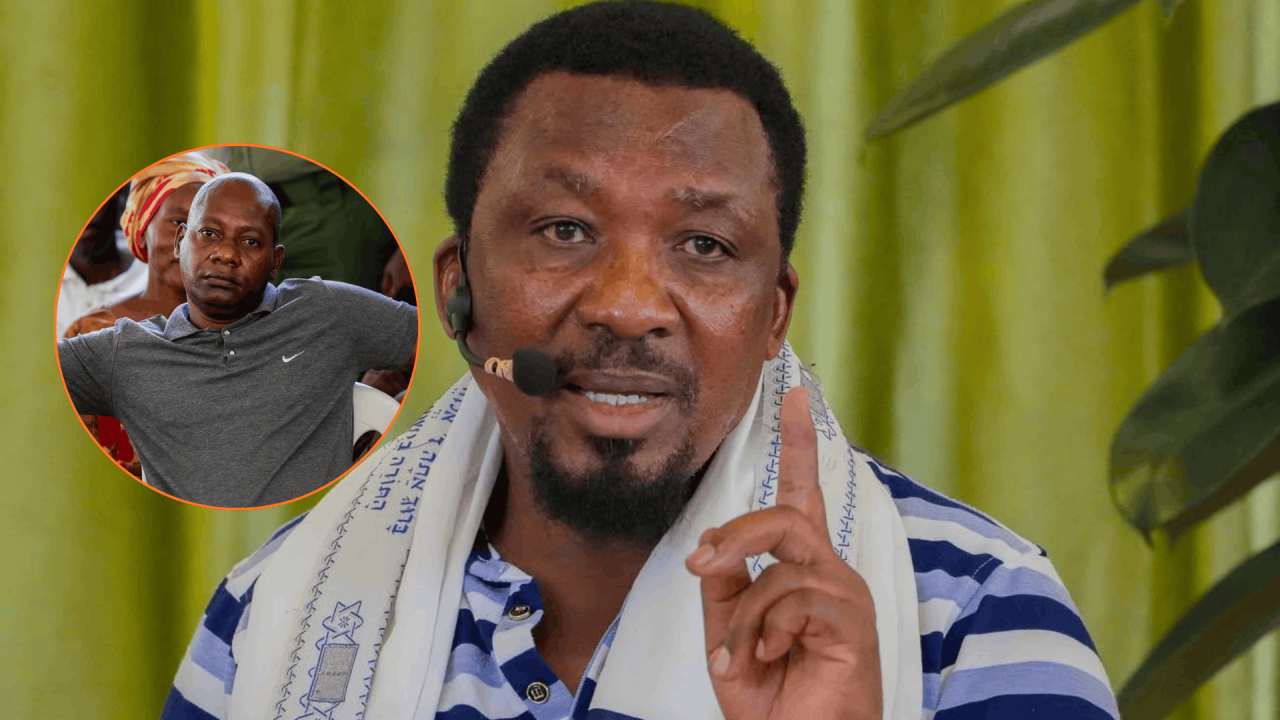
Neno Evangelism Centre founder Pastor James Ng’ang’a has sparked debate after criticising Paul Mackenzie’s 200-year prison sentence.
The outspoken preacher questioned why the Shakahola cult leader received a lengthy prison term instead of the death penalty.
In a video circulating online, Ng’ang’a expressed disbelief over the sentence. He argued that Mackenzie deserved to face the ultimate punishment.
“If you sentence Mackenzie to 200 years instead of just hanging him, then I don’t know how many years someone like me would get,” Ng’ang’a remarked.
His comments have attracted attention as Kenyans continue discussing the punishment handed to the controversial preacher.

Mackenzie Handed 200-Year Prison Sentence
Ng’ang’a’s remarks followed the November 6, 2026 ruling against Mackenzie and his co-accused. High Court Judge Diana Kavedza Mochache delivered the judgment in Mombasa. The accused were convicted on 191 counts of murder linked to the Shakahola tragedy.
The case concerns the deaths of hundreds of followers who reportedly followed Mackenzie’s teachings in Kilifi County. Among the victims were numerous children, making the tragedy one of Kenya’s most disturbing criminal cases.
The court imposed the lengthy sentence as part of its response to the crimes. However, Ng’ang’a believes the punishment should have been more severe.
Ng’ang’a Questions the Lengthy Sentence
The preacher particularly questioned the practicality of a 200-year prison term. He suggested that no individual could realistically serve such a lengthy sentence within their lifetime.
Furthermore, Ng’ang’a argued that the scale of the Shakahola tragedy justified the death penalty. His remarks have reignited debate about punishment, justice and accountability in cases involving mass deaths.
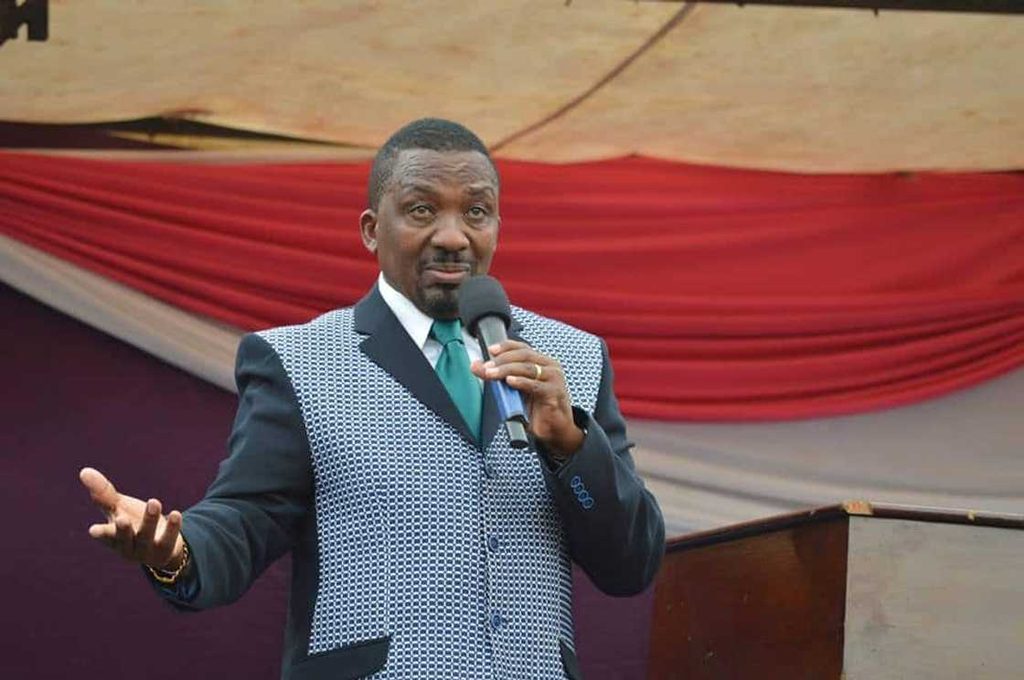
Death Penalty Debate Returns
Kenya retains the death penalty in law, although the country has not carried out executions since 1987. The Shakahola case has continued to raise difficult questions about justice for victims and their families.
Meanwhile, Mackenzie’s legal team has reportedly indicated plans to challenge the ruling through an appeal. The anticipated legal proceedings could keep the case in the public spotlight.
As debate continues, Ng’ang’a’s remarks have added another voice to conversations surrounding the historic judgment.