President William Ruto’s latest trip to Zimbabwe has reignited debate over the cost of presidential travel as Kenyans grapple with economic pressure and government austerity measures.
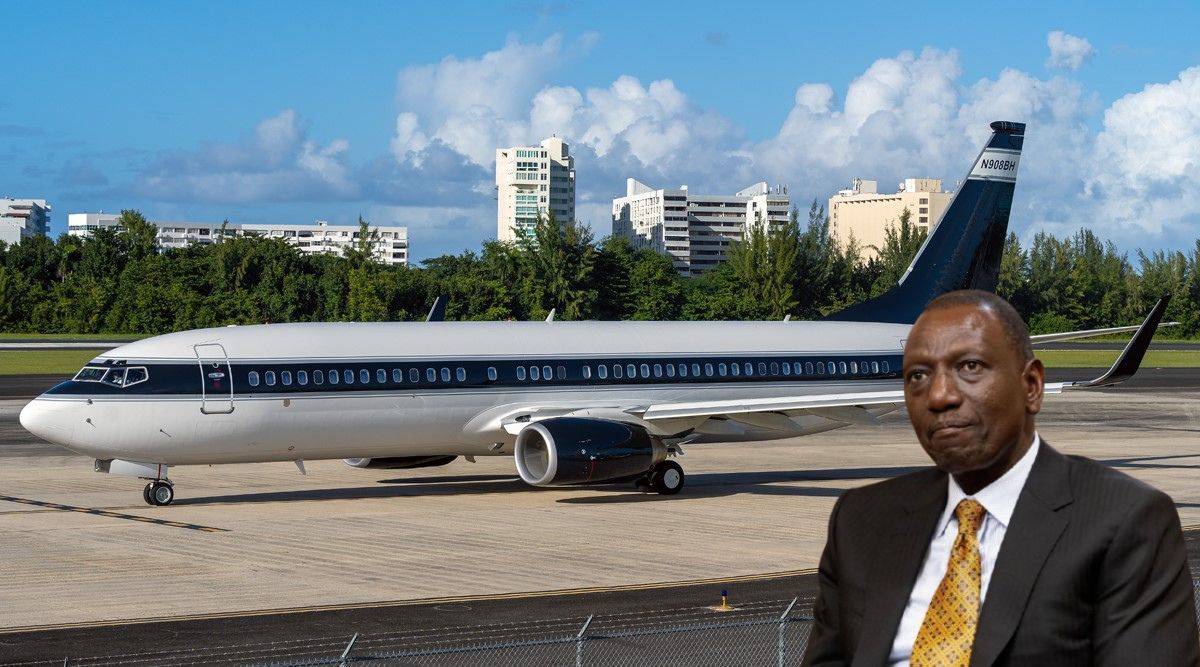
Ruto arrived at Robert Gabriel Mugabe International Airport in Harare for the 25th COMESA Summit aboard a privately chartered Boeing 737-800, registration T7-BBJ2. The aircraft, linked to UAE-based Empire Aviation, drew public attention and renewed questions about the cost of executive diplomacy.
However, the aircraft is only one part of the wider expenditure associated with presidential travel. A full assessment must also consider security, personnel, accommodation and other logistical arrangements.
The Cost of Presidential Air Travel
Private aircraft of this size command premium charter rates. The cost depends on the aircraft configuration, flight duration, fuel, crew, airport charges and other operational expenses.
Estimates cited in discussions about business jet operations place hourly costs in the millions of shillings. However, the precise cost of Ruto’s Harare flight remains unclear without the charter contract or official expenditure records.

Furthermore, the Nairobi-to-Harare journey represents only one component of the overall travel bill. The return flight, aircraft positioning and other arrangements may also affect the final cost.
Beyond the Aircraft: What Presidential Trips Cost
International presidential visits require coordination across several government departments. Security personnel, protocol officers, communications teams and logistical staff help manage the delegation.
The government may also incur costs for local transportation, accommodation, advance security arrangements and diplomatic preparations. These expenses vary depending on the destination, delegation size and duration of the visit.
Consequently, calculating the full cost of a presidential trip requires more than estimating the aircraft’s hourly operating rate. Detailed official records would provide a clearer picture of the total expenditure.
Government Travel Spending Reaches KSh 30.69 Billion
The wider debate comes amid concerns over government travel expenditure and competing demands on public finances.
Figures cited in the National Government Budget Implementation Review Report for the 2025/2026 financial year put national government travel expenditure at KSh 30.69 billion, up from KSh 25.45 billion in the previous financial year.
Foreign travel reportedly accounted for KSh 8.71 billion of the total. These figures highlight the scale of spending that requires scrutiny, particularly when the government continues to emphasise fiscal discipline.
However, the national government figures cover more than presidential trips. They should not be interpreted as the cost of Ruto’s foreign travel alone.
Economic Diplomacy Versus Public Accountability
The government has defended international engagements as part of its economic diplomacy strategy. Such visits can create opportunities for investment, strengthen trade relations and advance Kenya’s regional and international interests.
Ruto’s participation in COMESA meetings also provides an opportunity to engage regional leaders on trade and economic cooperation.
Nevertheless, diplomatic objectives must go hand in hand with financial accountability. Kenyans need clear information on travel budgets, actual expenditure and the economic outcomes of high-profile international engagements.
Ultimately, the debate goes beyond the aircraft used by the President. It concerns whether public spending delivers sufficient value for taxpayers.
As pressure mounts for prudent government expenditure, the administration faces a growing challenge: demonstrating that the benefits of presidential diplomacy justify its financial cost.