

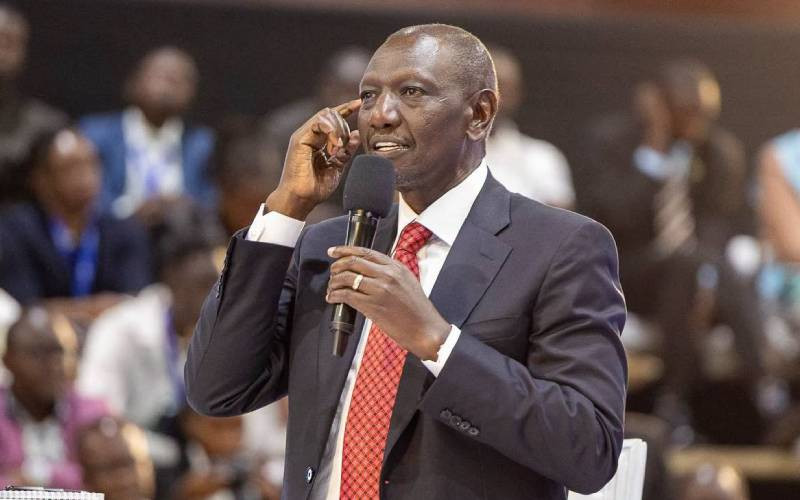
President William Ruto has ordered a crackdown on foreign nationals operating small-scale businesses in Kenya. The directive was issued on September 2, 2026, during a meeting with MSME traders at State House, Nairobi. Enforcement is expected to begin on Monday, September 7, 2026.
The move targets foreign nationals operating in hawking, kiosks and other small retail businesses. Ruto said the government must protect opportunities for Kenyan traders at the bottom of the economic pyramid.
Investment and Small Trade
The President clarified that Kenya remains open to foreign investment. However, he said foreign investors should focus on sectors that create jobs and strengthen the economy. These include manufacturing, large-scale production and other productive investments.
Ruto argued that foreign investors should not compete directly with local traders in small informal businesses. The directive therefore seeks to reserve designated micro-trade opportunities for Kenyan citizens.
Trade CS Given Enforcement Role
Trade Cabinet Secretary Lee Kinyanjui has been tasked with spearheading implementation. The directive comes as the government considers stronger measures to regulate foreign participation in Kenya’s informal economy.

National Assembly Majority Leader Kimani Ichung’wah was also directed to review investment permit requirements. The review will examine how foreigners receive permits allowing them to conduct business in Kenya.
The government says the measures will strengthen compliance with existing laws and protect local enterprises.
Proposed Law Could Give Crackdown Legal Backing
The administrative directive comes as Parliament considers legislation on local participation in small businesses. The proposed Local Content Bill seeks to strengthen opportunities for Kenyan citizens in designated economic sectors.
If enacted, the legislation could provide a clearer legal framework for restricting foreign participation in certain micro-trade activities. However, the implementation must still comply with Kenya’s constitutional and legal obligations.
Why the Directive Matters to Kenyan Traders
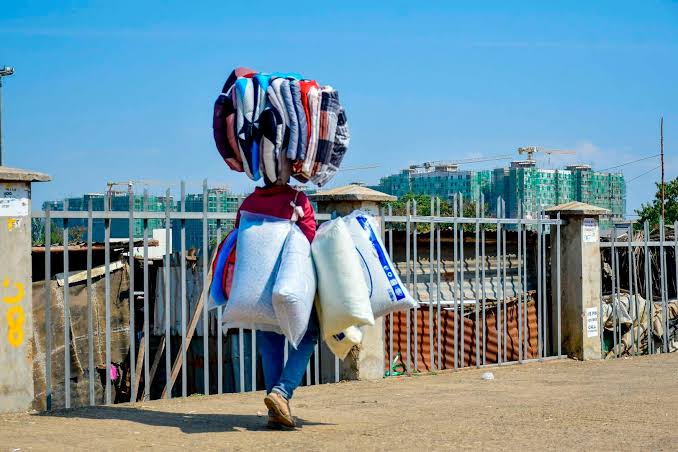
Kenya’s informal sector supports millions of livelihoods. For many Kenyans, hawking and small retail businesses provide an entry point into entrepreneurship.
Local traders have therefore welcomed measures aimed at reducing unfair competition. Nevertheless, the directive has also generated debate about foreign nationals, regional trade and investment.
Kenya remains part of the East African Community, where member states promote regional economic integration. Therefore, enforcement will require careful coordination to avoid disrupting legitimate cross-border trade.
What Happens From September 7?
As enforcement begins, attention will shift to how authorities identify affected businesses. The government will also face pressure to distinguish between legitimate foreign investment and restricted micro-business activity.
For Kenyan traders, the key question is whether the crackdown will translate into more business opportunities. For foreign investors, the policy signals a stronger government focus on local economic participation.
The coming weeks will show how far the directive goes and whether Parliament gives it additional legal backing.