Pensions and funding for public services fuel a generational debate in Europe.
Rising pension costs sharpen tensions over public spending as France prepares for mass antigovernment demonstrations on Saturday.
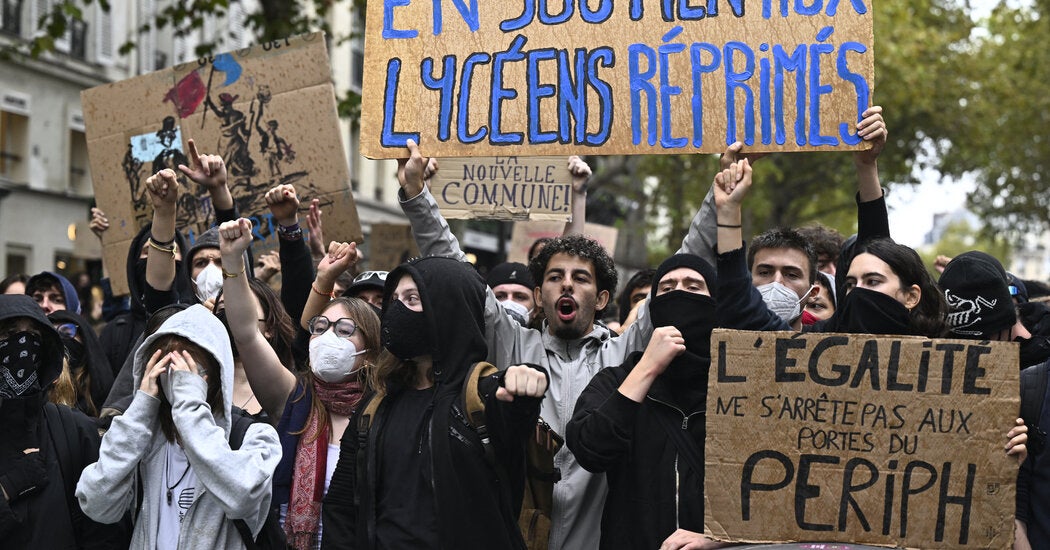
Student protests in France highlight a growing European dispute over spending on pensions, schools and other public services. Mass antigovernment demonstrations planned for Saturday bring those competing demands into focus.
As Europeans live longer, governments need more money to fund retirement payments. That pressure also makes it harder to finance other services, with pensions routinely the largest items in national budgets.
Meanwhile, frustrated young people have driven recent protests in Belgium, Germany, Greece, Italy and Portugal. The debate centres on how governments should balance younger people’s needs against support for retirees.

Student protests highlight competing priorities
Sébastien Ducros, a 36-year-old French data analyst, supports the student demonstrations and wants a different spending balance. He argues that pension spending leaves too little money for priorities such as repairing dilapidated schools.
His parents are approaching retirement, but Ducros believes people in their position could accept smaller pension payments. For him, redirecting some retirement spending would help address neglected services.
However, Laurent Grinwald, a 72-year-old former postal worker who recently retired, opposes cuts to his pension. He points to rising rents and living costs, arguing that retirees have already spent decades working.
Their contrasting views reflect the generational tension surrounding Europe’s public finances. Jorge Galindo, director of Spain’s independent EsadeEcPol think tank, describes the dispute as a clash between generations.
Spain also has some of Europe’s most generous pensions, placing retirement provision at the centre of that broader debate.