

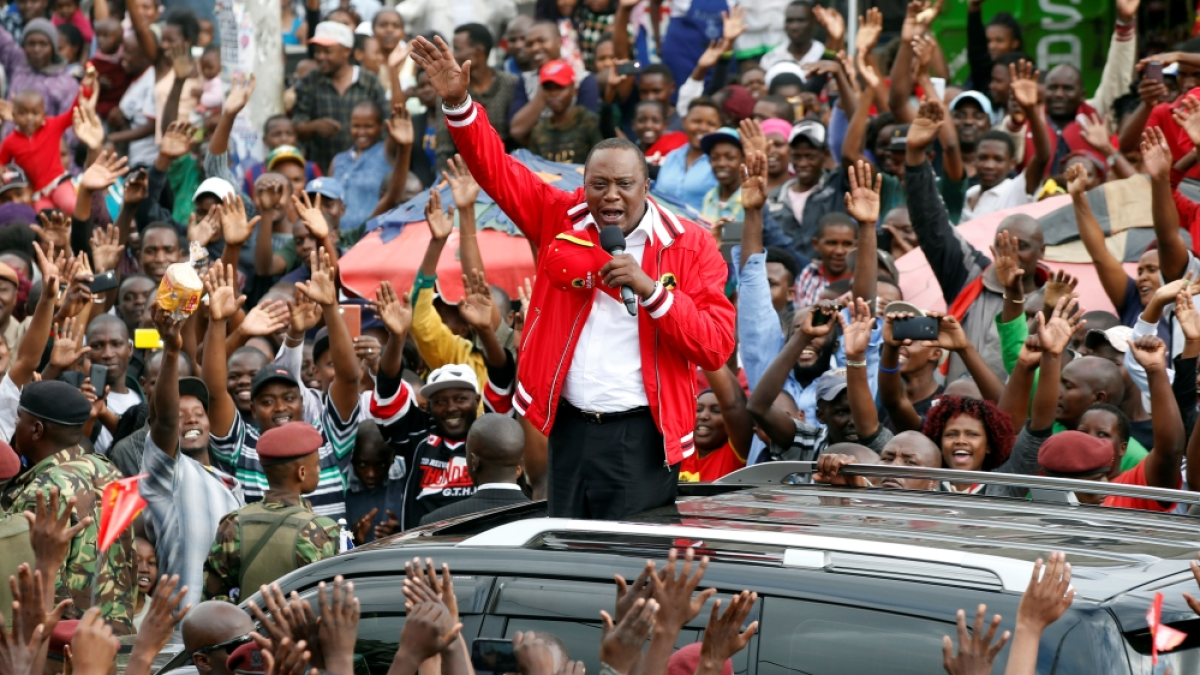
Former President Uhuru Kenyatta has resigned as Chairperson of the Azimio la Umoja One Kenya Coalition, ending his formal leadership role in the opposition alliance. His resignation took effect immediately through a letter dated October 5, 2026, which was confirmed by coalition leaders on October 7.

The move follows Uhuru’s recent handover of Jubilee Party leadership to former Interior Cabinet Secretary Fred Matiang’i. However, the resignation does not mean Uhuru has abandoned the coalition. He has said he will remain a member and continue offering counsel when needed.
Why Uhuru Stepped Down
Uhuru’s resignation comes amid legal questions surrounding the political roles of retired presidents. One High Court ruling upheld Section 6 of the Presidential Retirement Benefits Act, which restricts retired presidents from holding formal party office beyond six months after leaving State House.
However, another High Court judgment later declared the same provision unconstitutional. The conflicting decisions have created uncertainty around the legal framework governing retired presidents and party leadership.
Against that backdrop, Uhuru had already handed Jubilee leadership to Matiang’i in September. His latest decision now removes him from the formal leadership structure of the wider opposition coalition.
Azimio Becomes The Ukombozi Alliance
The resignation comes as the opposition coalition undergoes a broader political reorganisation. The grouping adopted The Ukombozi Alliance (TUA) name in September as it prepares for the 2027 General Election.
Wiper leader Kalonzo Musyoka has stressed that Uhuru’s departure does not create a leadership vacuum. He remains the coalition’s Party Leader, while the Chairperson of the Council holds a separate role.
The Office of the Registrar of Political Parties has also reserved the Ukombozi Alliance name, with the coalition finalising remaining compliance requirements.
Gachagua and Orengo in Focus
Attention has now shifted to the coalition’s future leadership and political strategy. Former Deputy President Rigathi Gachagua and Siaya Governor James Orengo have emerged among the names being discussed as potential figures in the alliance’s next phase.
For Uhuru, the decision marks a significant change in his formal political role. Yet his continued membership means his influence could remain relevant as the opposition prepares for the 2027 contest.
With Azimio transitioning into The Ukombozi Alliance, Kenya’s opposition landscape is entering another major phase. The coming months will reveal whether the new structure can unite competing political interests ahead of the next General Election.