
Why Kenyans Take to the Streets on Saba Saba Day
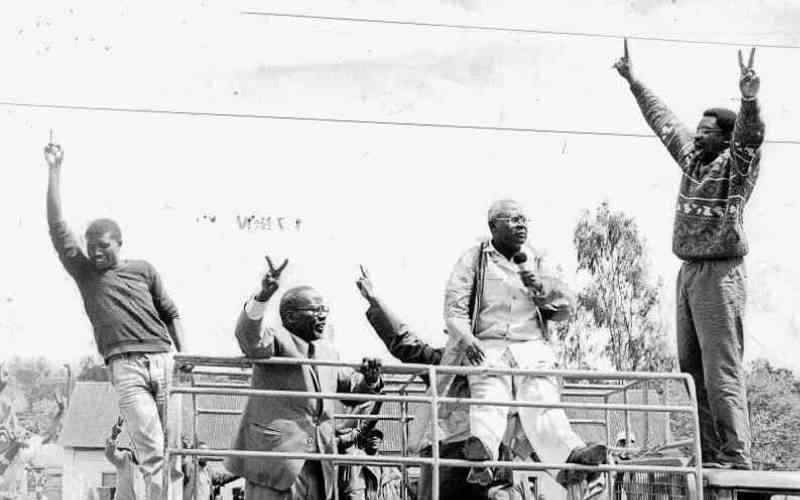
Every year on July 7, many Kenyans commemorate Saba Saba Day through peaceful protests and public demonstrations. The tradition dates back to July 7, 1990, when thousands of citizens demanded political reforms and multi-party democracy.
For many Kenyans, demonstrating on Saba Saba is more than an annual event. Instead, it is a way to honour those who fought for democratic freedoms and to raise concerns about current national issues.
The Origins of Saba Saba Day
The name Saba Saba means “Seven Seven” in Kiswahili, referring to July 7. At the time, Kenya operated under a one-party political system led by President Daniel arap Moi and the Kenya African National Union (KANU).
Opposition leaders, including Kenneth Matiba, Charles Rubia, and Jaramogi Oginga Odinga, called for a rally at Kamukunji Grounds in Nairobi. Their goal was to demand multi-party democracy and greater political freedoms.
Although the government banned the gathering and arrested key leaders beforehand, many Kenyans still took to the streets. Security forces dispersed the demonstrations, resulting in deaths, injuries, and arrests. The events increased pressure for political reforms. In December 1991, Kenya officially restored multi-party politics.
Why Protests Continue Today
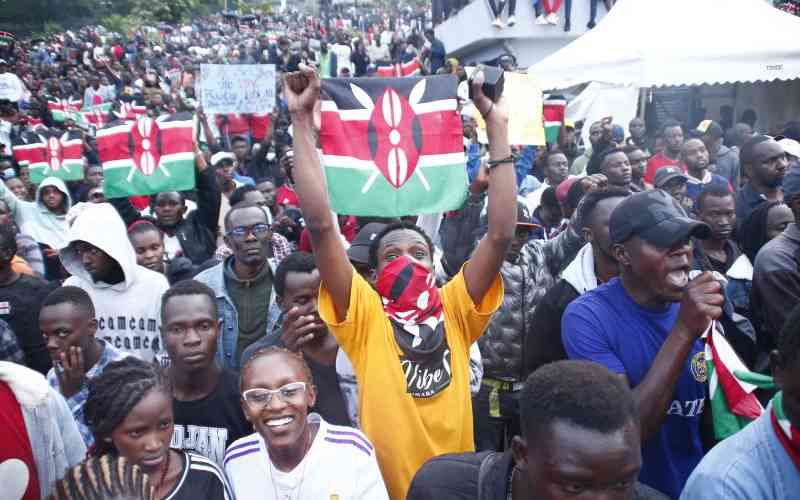
Today, Saba Saba remains a symbol of civic participation. Civil society groups, youth movements, and ordinary citizens often use the day to highlight issues affecting the country.
These concerns may include the cost of living, corruption, governance, unemployment, human rights, and public accountability. Many organizations also hold memorial events to honour people who lost their lives during past demonstrations.
Constitutional Right to Assemble
Article 37 of the Constitution of Kenya guarantees every person the right to assemble, demonstrate, picket, and present petitions peacefully and unarmed.
For this reason, many participants view Saba Saba protests as an exercise of constitutional rights and a reminder of Kenya’s democratic journey.
Although different groups may have different objectives each year, the day continues to symbolize the country’s ongoing pursuit of democracy, justice, accountability, and good governance.