
Urgent Call for Iran Peace Talks as Energy Crisis Fears Rise
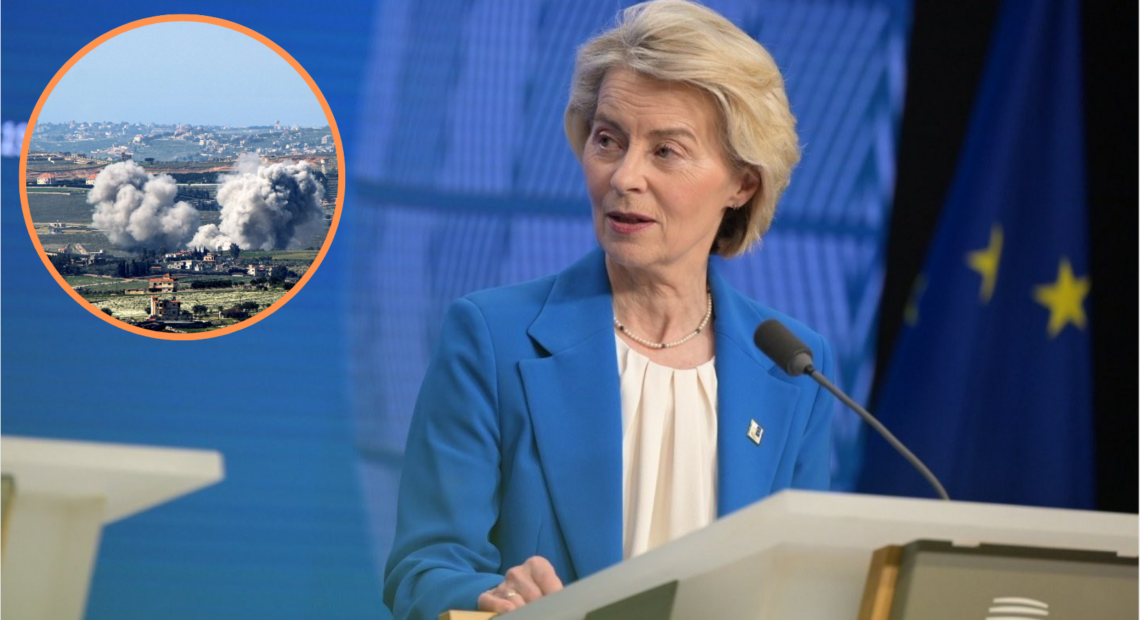
On March 24, 2026, Ursula von der Leyen called for immediate diplomacy to end the Iran conflict. She spoke during a joint news conference in Canberra alongside Anthony Albanese.
Diplomatic Push to End Hostilities
Firstly, von der Leyen stressed the urgent need for negotiations. She warned that continued fighting risks severe regional escalation.
Moreover, she urged all parties to return to the negotiating table immediately. Consequently, she emphasized that diplomacy remains the only viable solution.
The conflict reportedly began on February 28, 2026. It involves Iran, the United States, and Israel. Therefore, its impact extends far beyond the region.
Strait of Hormuz Tensions Raise Alarm
Secondly, von der Leyen strongly criticized Iran’s actions in the Strait of Hormuz. She described the closure as unacceptable and dangerous. Furthermore, she condemned threats against commercial shipping.
These threats include reported drone and missile attacks. As a result, global trade routes face significant disruption. Thus, she called for the immediate reopening of the vital waterway.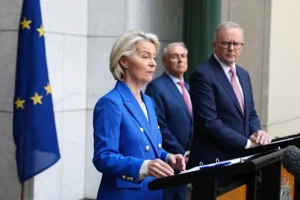
READ ALSO: Trump Issues 48-Hour Ultimatum to Iran Over Strait of Hormuz
Energy Security Concerns Grow
Meanwhile, the crisis continues to shake global energy markets. Von der Leyen highlighted rising oil and gas prices. Additionally, she noted growing pressure on European businesses and households.
Because of these disruptions, energy security has become a major concern. Therefore, she warned that prolonged conflict could worsen economic instability. In turn, global markets may experience further volatility.
Long-Term Stability and Nuclear Concerns
Beyond immediate peace, von der Leyen addressed long-term stability. She reiterated that Iran must never acquire nuclear weapons. At the same time, she called for a credible political transition.
However, she maintained that diplomacy should guide all efforts. Thus, peaceful negotiations remain central to achieving lasting stability.
Divisions Within Europe Emerge
Despite calls for unity, divisions have emerged within Europe. For instance, Spain has criticized U.S. and Israeli actions. In contrast, the United Kingdom, France, and Germany condemned Iran’s attacks.
Nevertheless, von der Leyen continues pushing for a unified diplomatic response. Ultimately, her message remains clear: urgent negotiations are essential to prevent deeper global and economic crises.