
Salasya Calls Out Sudi Over “Eunice” Remarks
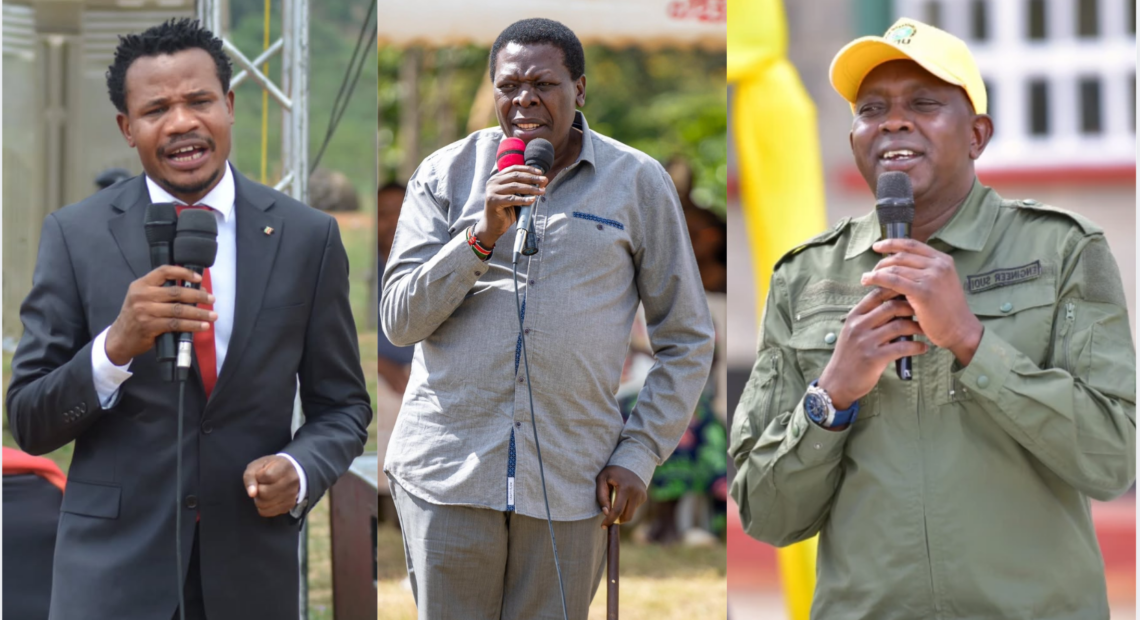
Mumias East MP Peter Salasya has sharply criticized a fellow legislator. He condemned remarks made by Oscar Sudi.
The dispute centers on repeated comments targeting Eugene Wamalwa. Therefore, tensions within Kenya’s political space continue to rise.
Controversial Remarks Spark Outrage
Sudi allegedly referred to Wamalwa using a derogatory nickname. He called him “Eunice Wamalwa” during public engagements.
Additionally, he made claims about property disputes. These allegations involved a deceased relative’s widow.
Consequently, critics labeled the remarks as disrespectful. They argued such language undermines political decorum.
Salasya Demands Respect in Leadership
In response, Salasya issued a strong public warning. He urged Sudi to show respect toward fellow leaders.
He used the term “heshimu” to emphasize dignity in politics. Moreover, he accused Sudi of displaying arrogance.
According to Salasya, wealth should not justify insults. Therefore, he called for responsible leadership conduct.
Defense of Eugene Wamalwa
Salasya strongly defended his party leader. He stated that Wamalwa has maintained political maturity.
Furthermore, he noted that Wamalwa avoids personal attacks. This, he argued, reflects leadership discipline.
He also emphasized that Wamalwa should not engage in such exchanges. Thus, he urged others to uphold respectful dialogue.
READ ALSO: Opposition Leaders Accuse Govt of Mishandling Assets and Elections
Growing Trend of Personal Political Attacks
This incident reflects a wider pattern in Kenyan politics. Leaders increasingly engage in personal verbal attacks.
Consequently, political debates shift from policy to personality. This trend concerns observers and citizens alike.
Moreover, repeated insults risk deepening political divisions. They also weaken public trust in leadership.
Calls for Civil Political Discourse
Analysts now urge leaders to maintain professionalism. They emphasize issue-based engagement over personal criticism.
Additionally, respectful dialogue promotes national unity. It encourages constructive debate on key issues.
Therefore, leaders must model integrity and accountability. This approach strengthens democratic institutions.
Political Climate Ahead
As political tensions rise, scrutiny will intensify. Public expectations for respectful leadership continue to grow.
Consequently, such incidents may shape future political narratives. They also influence voter perception ahead of elections.
Ultimately, the exchange highlights the need for civility. Kenya’s political space must prioritize respect and accountability.