

Kenya to Benefit from Germany’s KSh150M Ebola Fund
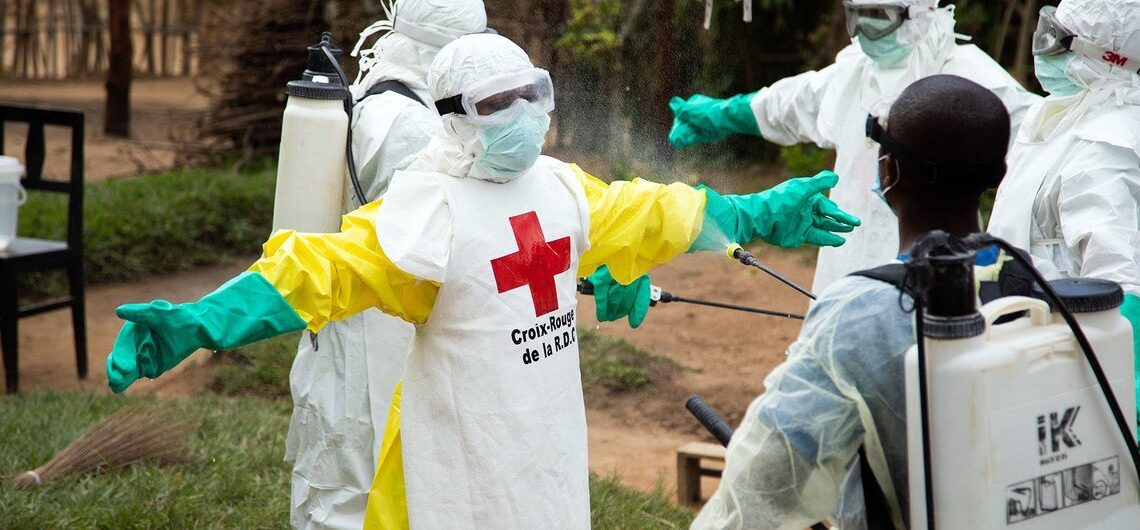
On June 4, 2026, the KfW Development Bank committed KSh150 million (€1 million) to support Ebola preparedness across East Africa.
Officials announced the funding during an extraordinary virtual meeting of health ministers from the East African Community (EAC).
Consequently, Kenya and other EAC member states will receive additional resources to strengthen disease surveillance and outbreak response.
The emergency funding aims to improve regional readiness and reduce the risk of cross-border Ebola transmission. Additionally, health authorities expect the investment to strengthen frontline response systems.
Funding Targets Diagnostic Capacity
The EAC will direct the funding toward strengthening diagnostic services across the region. First, authorities will deploy mobile laboratory units to high-risk areas and major border crossings.
These facilities will support rapid testing and faster identification of suspected Ebola cases. Additionally, health agencies will purchase specialized Ebola test kits, laboratory reagents, and sampling equipment.
The funding will also improve access to essential diagnostic tools. Consequently, health teams will detect and respond to potential outbreaks more efficiently.
Medical Workers to Receive Specialized Training
The initiative also focuses on strengthening the region’s healthcare workforce. Health authorities will train laboratory personnel and medical workers on Ebola prevention and response.
Additionally, experts will provide instruction on infection control and safe pathogen handling. The training aims to improve preparedness among frontline healthcare teams.
Consequently, countries will strengthen their ability to contain outbreaks before they spread. Officials believe a skilled workforce remains critical in managing public health emergencies.
An image of an Ebola labelled test. Photo/ Courtesy
READ ALSO: Kenya Remains Ebola-Free After 22 Alerts Test Negative
Regional Response Efforts Intensify
The funding arrives as East African nations increase efforts to prevent Ebola transmission. Authorities continue monitoring outbreaks affecting neighboring countries, particularly the Democratic Republic of Congo and Uganda.
Consequently, governments have strengthened screening, surveillance, and emergency response measures. Regional leaders emphasize that coordinated action remains essential in controlling disease spread.
Additionally, health agencies continue enhancing preparedness at airports, border points, and transit corridors.
International Partners Expand Support
Germany’s contribution forms part of a broader international response to regional health threats. The Pandemic Fund has activated a USD 221 million funding package for Central and East Africa.
Additionally, the Intergovernmental Authority on Development has pledged USD 1 million to each of its seven member states, including Kenya.
Furthermore, the United States has committed USD 13.5 million directly to Kenya. The funding supports screening, surveillance, and contact-tracing activities nationwide.
Kenya Among Key Beneficiaries
Kenya stands to benefit significantly from the regional preparedness initiative. Consequently, health authorities will receive additional resources to strengthen testing, surveillance, and emergency response systems.
Officials say the funding will enhance the country’s readiness to detect and contain Ebola threats.
As regional health risks persist, governments and development partners continue investing in stronger public health systems to protect communities across East Africa.