

Nairobi Stranded as “Footsubishi” Trend Takes Over During Transport Strike
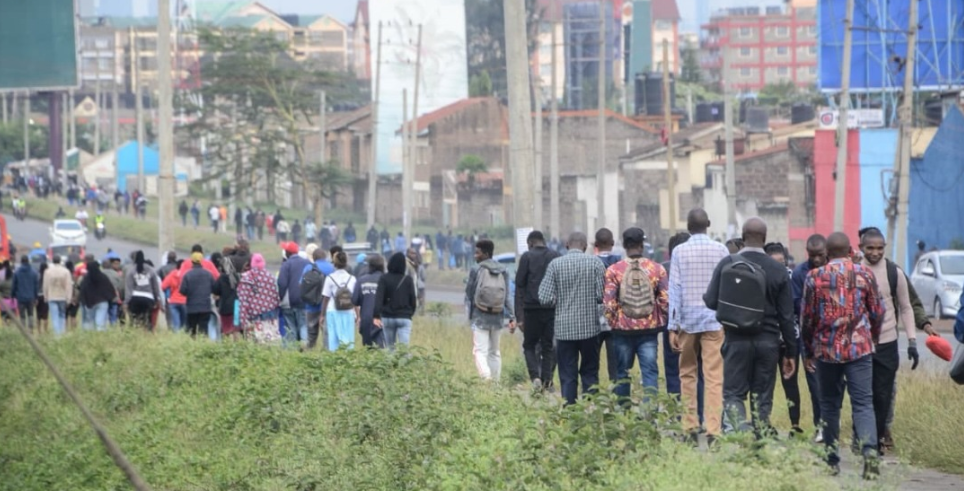
The nationwide transport strike on May 18 & 19,2026, paralyzed movement across Nairobi completely. Commuters walked long distances as transport systems collapsed suddenly.
Additionally, the strike followed sharp diesel price increases announced by Energy and Petroleum Regulatory Authority. Diesel prices rose to KSh 242.92 per litre officially.
The Transport Sector Alliance organized the strike across the country. Therefore, matatu operators withdrew services from major roads immediately.
“Footsubishi” Trend Takes Over Nairobi Highways
Thousands of commuters turned roads into walking corridors nationwide. Social media users nicknamed the long walks “Footsubishi” humorously.
Additionally, major highways became crowded pedestrian routes during rush hour. Waiyaki Way, Lang’ata Road, and Ruaka experienced heavy foot traffic.
Commuters walked kilometers to reach workplaces and schools. Therefore, urban mobility collapsed across Nairobi quickly.
Kenya Railways deployed extra commuter trains to ease pressure. Additionally, authorities reduced fares by 10 percent temporarily.
However, stations became overcrowded with long queues and confusion. Passengers struggled to board trains safely during peak hours.
Boda boda riders and ride-hailing apps increased fares sharply. Many operators doubled or tripled prices during peak demand.
READ ALSO: Karakacha Stuns Nation With Explosive “We Have Not Agreed”
Railways and Roads Struggle Under Pressure
Government transport responses aimed to ease commuter suffering quickly. However, demand exceeded available capacity across all systems.
Additionally, commuters flooded train stations across Nairobi early. Many passengers failed to secure seats due to congestion.
Public transport paralysis extended across surrounding towns rapidly. Therefore, workers adjusted schedules or missed work entirely.
Businesses reported delays due to employee transport challenges. Schools also recorded late arrivals and absences widely.
Viral Humor Emerges Amid Transport Crisis
Despite hardship, Kenyans turned to humor on social media platforms. Digital creators amplified memes about the transport struggle online.
Additionally, influencers like Baba Talisha shaped trending conversations humorously. They highlighted commuter resilience during the crisis creatively.
A viral “millennials fear getting fired” trend emerged strongly. Users joked about employees walking long distances to avoid job loss.
Additionally, memes showed corporate workers trekking from outskirts to CBD. Ruiru, Kinoo, and Kitengela featured heavily in viral posts.
Commuters humorously described arriving at work “on time by force.” Therefore, humor helped ease frustration during the crisis.
Transport Crisis Reshapes Nairobi Movement
The strike exposed Kenya’s fragile urban transport system clearly. Fuel price hikes triggered nationwide disruption and commuter hardship.
Additionally, “Footsubishi” became a symbol of urban resilience. Kenyans adapted creatively despite severe transport breakdowns.
Ultimately, pressure continues mounting for urgent transport reforms. Therefore, stakeholders now demand lasting solutions immediately.