

The global PPR eradication campaign aims to protect sheep and goats and the livelihoods that depend on them.
FAO says the EU commitment should attract more investment as countries pursue the 2040 target to eliminate the disease that affects sheep and goats.
The Food and Agriculture Organization (FAO) is urging governments, development banks and private foundations to increase funding for the global eradication of Peste des Petits Ruminants (PPR), warning that a new European Union commitment cannot finance the campaign alone.
The EU has pledged €50 million, equivalent to about Sh7.38 billion, towards efforts to eliminate the highly contagious livestock disease by 2040. FAO says the contribution is intended to draw in wider investment as countries expand vaccination, surveillance and veterinary services.
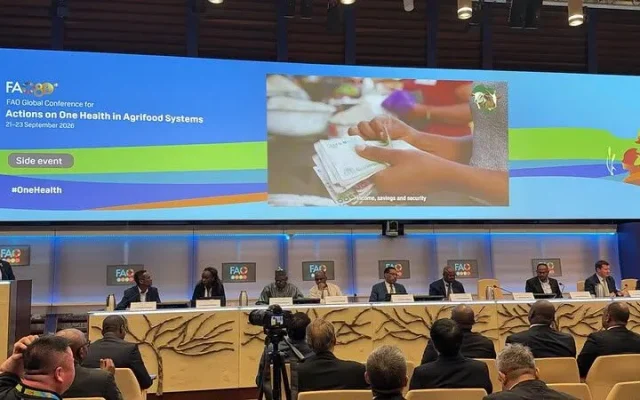
Speaking during a high-level animal-health dialogue at FAO headquarters in Rome, Global PPR Eradication Programme Coordinator Dr Felix Njeumi described the EU commitment as a starting point for mobilising additional support, rather than the campaign’s sole source of funding.
Domestic funding needed alongside donor support
Njeumi appealed to financing institutions and foundations, including the World Bank and the Bill & Melinda Gates Foundation, to contribute to the eradication effort. He also urged countries affected by PPR to allocate their own resources, saying the campaign should not rely entirely on international donors.
The funding appeal places responsibility on both national governments and international partners as they work towards the 2040 goal. It also seeks broader participation from the private sector.
Beyond its initial pledge, the EU has indicated that a further €40 million, or about Sh5.90 billion, could be raised through blended financing. If mobilised, that would bring the wider funding package to approximately Sh13.29 billion.
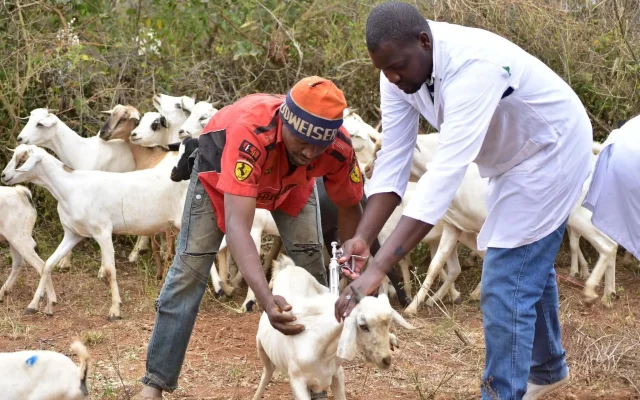
The financing is expected to support vaccination programmes, disease surveillance, laboratory capacity and veterinary services. Vaccine supply systems and coordination between neighbouring countries are also among the intended areas of support.
Disease threatens livestock livelihoods
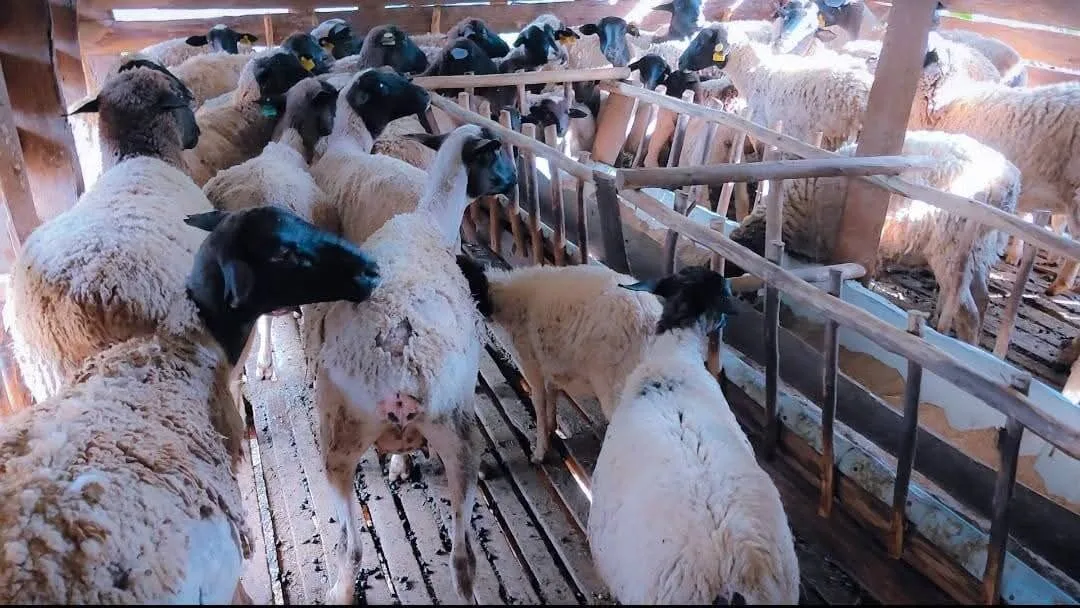
PPR mainly affects sheep and goats and can spread quickly within herds and across national borders. It does not infect people, but outbreaks can damage food security, disrupt livestock trade and reduce incomes for pastoralists and smallholder farmers.
Those risks make the eradication campaign important to the millions of people whose livelihoods depend on small livestock. The proposed investment covers both direct disease-control measures, such as vaccination, and the systems needed to detect and respond to outbreaks.
The global push follows the successful elimination of rinderpest, another destructive livestock disease. Njeumi said eradicating PPR could become a defining animal-health achievement of the current century.
Rome declaration sets out next steps
The Rome dialogue brought political leaders, technical institutions and financing partners together to discuss PPR eradication and the control of Foot-and-Mouth Disease under the One Health approach.
Representatives from Tanzania, Chad, Cameroon, Bangladesh and Burkina Faso attended. Participating organisations included the World Bank, the Gates Foundation, the Intergovernmental Authority on Development, the EU and African Union institutions.
Participants endorsed the Rome Call, backing the elimination of PPR by 2040 and stronger measures against Foot-and-Mouth Disease. The declaration urges countries and regional economic communities to prepare costed investment plans, raise domestic financing and improve cross-border coordination.
It also calls for the EU contribution to attract further commitments from governments, development banks, foundations and private-sector partners, widening the financial base for the eradication campaign.