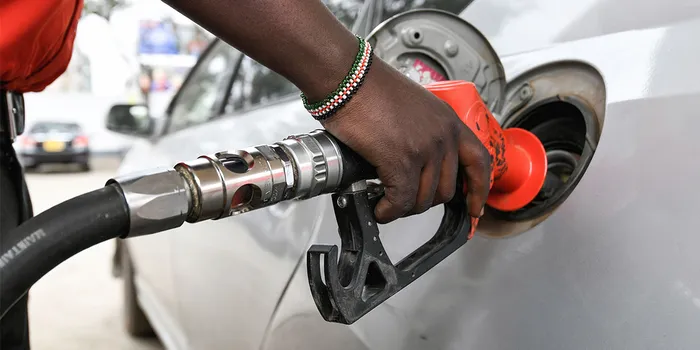
Trade CS Lee Kinyanjui announced the six-month extension of the temporary sulphur ceiling.
Trade CS Lee Kinyanjui has extended the 50mg/kg sulphur ceiling for petrol and diesel through April 2027, citing global supply disruptions.
Trade Cabinet Secretary Lee Kinyanjui has extended Kenya’s temporary fuel sulphur limit adjustment for another six months. The decision allows petrol and diesel with sulphur content of up to 50 milligrams per kilogram (50mg/kg).
In a November 11 statement, Kinyanjui said the extension covers November 2026 to April 2027. It comes as the Energy and Petroleum Regulatory Authority (EPRA) prepares to announce its next monthly pump prices.
Why Kenya extended the fuel sulphur limit
Kinyanjui said the Ministry of Energy and Petroleum requested the extension. The National Standards Council also recommended it after a technical assessment of global fuel supply conditions.

The CS cited continued geopolitical uncertainty in the Middle East and disruptions to international petroleum supply chains. In particular, he pointed to challenges around the Strait of Hormuz.
Because of those pressures, the government wants to widen the available sources of fuel meeting Kenya’s requirements. Kinyanjui said the temporary measure aims to prevent supply shortages and protect economic stability.
The approval applies to the sulphur requirement under Kenya’s automotive diesel and premium petrol standards. However, the government will review the measure after six months, or earlier if global supply conditions improve.
Earlier relaxation and November pump prices
The extension follows the government’s initial decision to relax the standards on April 30, 2026. Before that adjustment, Kenya set a maximum sulphur content of 10mg/kg for both petrol and diesel.
At the time, Kinyanjui said petroleum sector stakeholders had raised concerns about sourcing fuel that met the stricter requirements. The April decision therefore allowed imports with sulphur content of up to 50mg/kg.
Meanwhile, EPRA is preparing prices for the November 15 to December 14, 2026 pricing cycle. The regulator is due to announce the review later in the week.
Treasury Cabinet Secretary John Mbadi recently indicated that the government could use the fuel stabilisation fund to lower costs. That intervention would aim to cushion consumers against high pump prices.