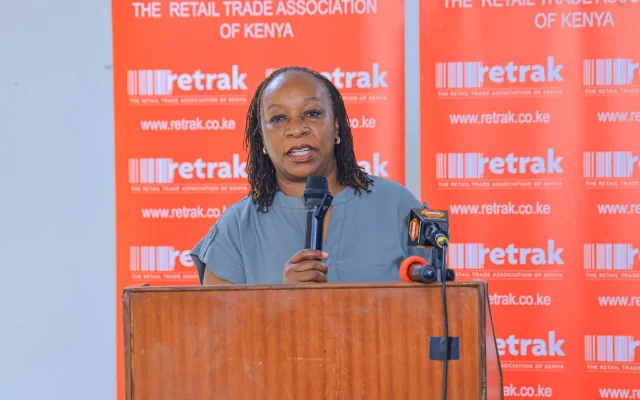
Governor Sakaja Johnson announced inspection reforms at a liquor and entertainment stakeholders’ meeting at City Hall.
Governor Sakaja directs coordinated inspections, limits disruptive night enforcement and opens 14-day talks on entertainment taxes.
Governor Sakaja Johnson has ordered reforms to Nairobi liquor inspections to stop harassment of business owners. The county will publish a list of authorised inspectors covering all 17 sub-counties.
Speaking at a liquor and entertainment stakeholders’ meeting at Charter Hall, City Hall, Sakaja criticised rogue county staff and impostors. He said they had intimidated operators and disrupted legitimate businesses through repeated, uncoordinated visits.
Under the changes, only officers on the official list who carry valid identification will conduct inspections. Teams will also bring together designated officers from relevant departments to improve accountability and make inspections more predictable.

Nairobi liquor inspections to follow coordinated approach
Sakaja also directed inspection teams to stop disruptive night operations that inconvenience customers, lead to DJ arrests and involve confiscating sound equipment. Instead, officers should document noise and public nuisance complaints and address them through established enforcement procedures.
He said officers should gather evidence and take up complaints with establishment owners during the day. The county’s licensing relationship, he stressed, involves business owners rather than DJs or revellers.
However, Sakaja maintained that public order remained important, alongside professional enforcement that respects legitimate businesses.
Trade and Hustler Opportunities County Executive Committee Member Anastacia Nyalita said the meeting sought solutions to longstanding industry challenges. She also called for stronger cooperation between the county and operators to support business growth and employment.
Tax consultations and lower licence fees
Meanwhile, Sakaja announced 14 days of consultations on entertainment and event taxes under the Nairobi City County Finance Act, 2026. County officials and industry representatives will examine concerns and agree on practical measures before implementing them together.
The Act also reduces annual liquor licence fees for small and medium-sized establishments. Bars seating up to 30 customers will pay KSh 25,000, down from KSh 100,000.
For establishments accommodating 31 to 100 customers, the annual fee falls from KSh 100,000 to KSh 35,000. The reductions aim to ease operating costs, particularly for smaller businesses.
Trade and Hustler Opportunities Chief Officer Lydia Mathia urged operators to use the county’s digital LiquorPay platform. She said direct licence applications and payments save time and money while removing the need for brokers.
Sakaja also urged owners to support the county’s 10-metre cleaning initiative and avoid illegal dumping and littering. Industry stakeholders welcomed the directives, saying they would help businesses operate more smoothly, especially during the festive season.
They pledged to comply with regulations and work with the county to keep Nairobi clean, safe and orderly.