Samsung combines flagship hardware and One UI software, while Google and Xiaomi offer alternatives with different trade-offs.
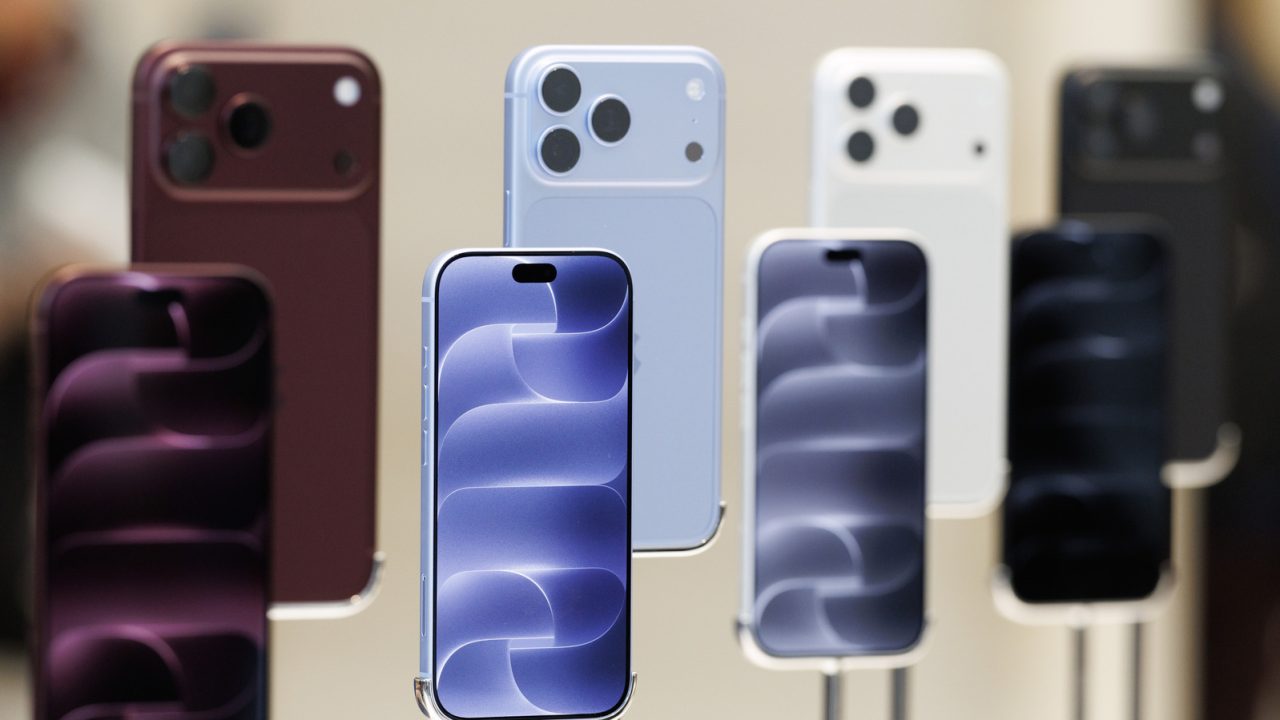
The Samsung Galaxy S26 Ultra stands out as a close Android counterpart to Apple’s iPhone 18 Pro Max. It combines high-end hardware, Samsung’s One UI software and mainstream availability.
However, the comparison goes beyond processor speed or camera resolution. Software quality and access through major carriers also shape the choice, particularly in the United States.
Apple’s flagship brings its A20 Pro processor, built on a 2nm process, alongside faster charging than earlier models. Samsung takes a different approach, pairing powerful hardware with features such as its Privacy Display.
What the Galaxy S26 Ultra offers
Samsung released the handset in February 2026 with Qualcomm’s Snapdragon 8 Elite Gen 5 processor. It includes 12GB of RAM, while the 1TB storage version increases that to 16GB.

A 5,000mAh battery supports the package, which has enough processing power for gaming and video editing. Meanwhile, Privacy Display restricts off-axis viewing, making screen content harder for nearby people to see.
The phone also features a 200-megapixel main camera sensor, larger than the iPhone’s main sensor. However, that specification alone does not settle the camera comparison, especially for video.
Apple’s A20 Pro retains a speed advantage over Samsung’s Snapdragon chip. The iPhone also remains the stronger video option, so Samsung’s appeal rests on the overall package rather than outright dominance.
How Google, Xiaomi and Samsung’s next flagship compare
Google’s Pixel 11 Pro XL offers another route, combining Google hardware with its own Android experience. However, its Tensor G6 processor trails competing flagship chips.
A PhoneBuff test also found the Pixel 11 behind Samsung phones three or four years older across everyday tasks. That performance gap weakens Google’s challenge on speed.
Meanwhile, Xiaomi’s 18 Pro Max uses the newer Snapdragon 8 Elite Gen 6, bringing it closer to Apple’s processor performance. Its design also includes a second screen on the rear camera platform.
However, carriers in the United States and Canada do not offer Xiaomi phones. The device presents a stronger specifications-based alternative in markets such as China and Europe.
Looking ahead, leaks suggest Samsung’s upcoming Galaxy S27 Ultra could use the Snapdragon 8 Elite Gen 6. Rumours also point to a redesigned camera system, a new sensor and changes to image processing.
Those claims remain unconfirmed. For now, Samsung’s current Ultra combines the hardware, software and availability that make it a close Android alternative.