Ahunna Eziakonwa called for stronger African influence ahead of Nairobi’s Trust Summit.
Ahunna Eziakonwa urges international partners and African governments to honour commitments ahead of the October 21–23 Trust Summit in Nairobi.
Africa must help shape international decisions and demand accountability to rebuild global trust, senior UN official Ahunna Eziakonwa has said. She also urged African governments to honour their own commitments to citizens.
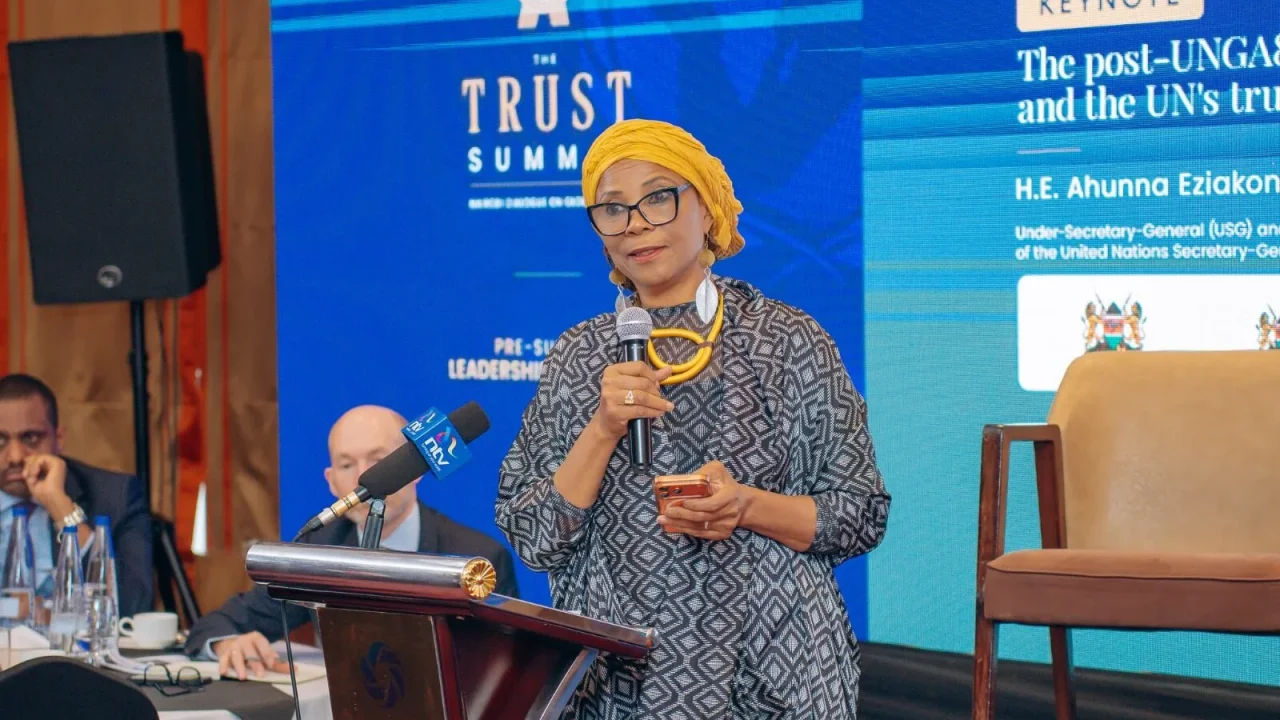
Eziakonwa, the UN Under-Secretary-General and Special Adviser to the Secretary-General, spoke at a leadership meeting in Nairobi. The gathering preceded the inaugural Trust Summit, scheduled for October 21–23.
She identified broken promises, unequal representation and poor government delivery as barriers to confidence in international cooperation. Rebuilding that confidence, she argued, requires measurable action rather than declarations alone.

Global trust depends on keeping promises
Eziakonwa pointed to climate finance commitments for countries that contribute least to global warming but face severe consequences. She also highlighted wealthy nations’ pledge to spend 0.7 per cent of national income on development assistance.
Only a handful of countries have consistently reached that assistance target, she said. As a result, unmet commitments continue to weaken confidence in international cooperation.
However, Eziakonwa said African leaders must also answer for promises on public spending and services. Honouring those obligations would strengthen their demands for accountability from international partners.
She cited the 2003 Maputo Declaration, which committed African governments to allocating at least 10 per cent of national budgets to agriculture. The 2014 Malabo Declaration renewed that commitment.
On education, she said only about a quarter of African countries meet agreed investment benchmarks. Meanwhile, 15 countries spend more on debt servicing than on educating children.
Citizens assess governments through services and opportunities, she said, rather than announced promises. She described the Nairobi Call to Action and its framework as tools for making commitments measurable.
Africa seeks influence beyond representation
Eziakonwa said Africa needs a stronger role in shaping international institutions, not simply receiving their decisions. The continent holds 54 of the UN General Assembly’s 193 seats, but no permanent Security Council seat.
African countries also have limited voting power in institutions that determine global financial rules, she noted. Although the African Union joined the G20 permanently in 2023, she said representation must bring meaningful influence.
She also challenged portrayals of Africa chiefly as a continent needing outside intervention. Such narratives overlook its resources, markets, young population and capacity to shape global development, she argued.
Instead, she urged African countries to approach partnerships with bargaining power and greater control over their priorities.
Financing reforms and stronger local resources
Eziakonwa called for changes to international financing, citing borrowing costs and credit assessments as constraints on development. She said Africa’s external debt-service payments increased from USD61 billion in 2010 to USD163 billion in 2024.
She also cited estimates discussed in the debate over the proposed African Credit Rating Agency. Those estimates put additional borrowing costs linked to perceived risk at about USD75 billion annually.
To address these pressures, she urged fairer financing terms, stronger domestic revenue mobilisation and greater use of African savings and capital markets. Stronger local financing would support more equal partnerships, she said, rather than end international cooperation.
Nairobi summit to seek measurable commitments
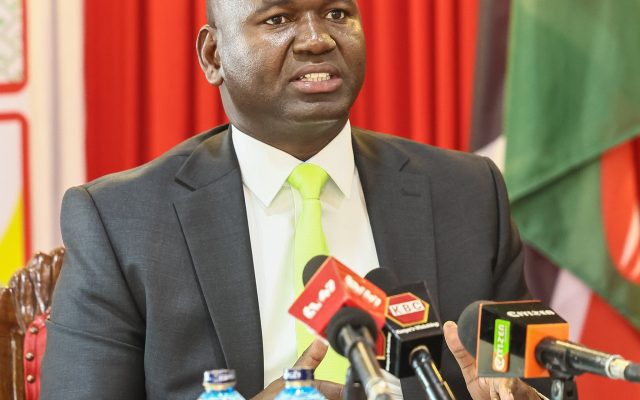
Foreign Affairs Principal Secretary Korir Sing’Oei also called for wider participation in decision-making. He urged states and major institutions to create more space for civil society and other non-state actors.
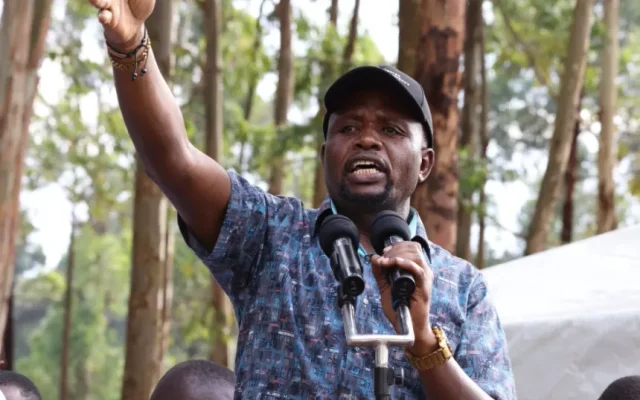
Meanwhile, Kenya Model United Nations Secretary General Debora Nzomo said institutions must give young people meaningful influence. She argued that trust requires institutions to show confidence in young people, not merely seek their support.
The Trust Summit: Nairobi Dialogues on Global Trust will bring together political leaders, policymakers, businesses, academics, civil society, media and youth. Organisers plan a Nairobi Statement on Global Trust, an outcome report and a Trust Barometer dashboard.
They also plan an implementation task force and an assessment of Africa’s trust landscape. Eziakonwa urged participants to bring specific commitments, identify those responsible and set dates for reporting progress.