

Massachusetts Weighs Historic Recreational Marijuana Reversal
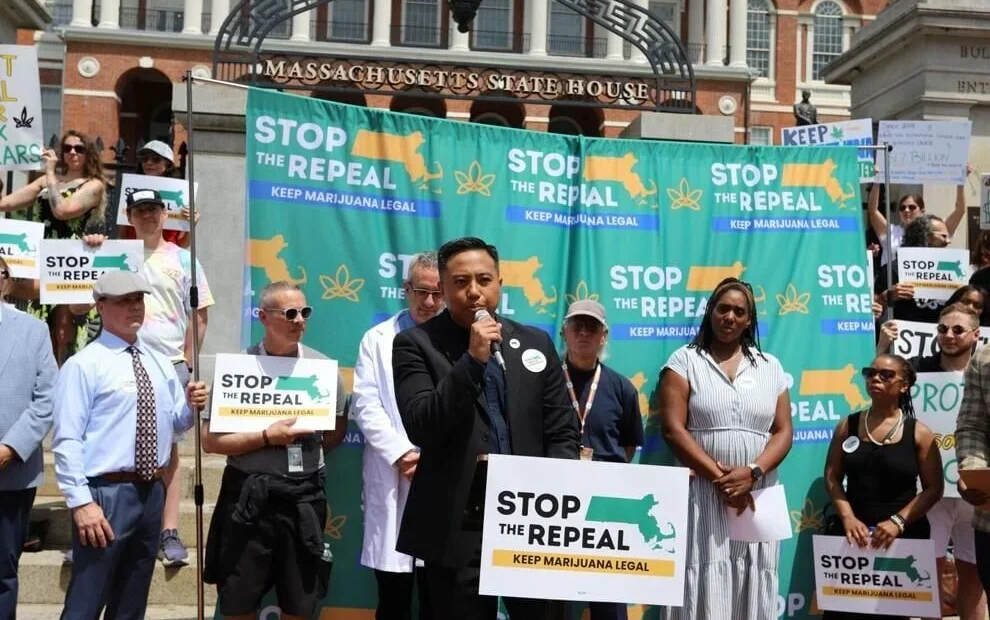
Massachusetts voters will decide whether to repeal recreational marijuana legalization after anti-cannabis advocates secured enough signatures to place the measure on the November 2026 ballot. If approved, the state would become the first in the United States to reverse legal recreational cannabis.
Campaign Secures Ballot Spot
The Coalition for a Healthy Massachusetts submitted the required signatures to qualify the initiative.
The proposal, titled “An Act to Restore a Sensible Marijuana Policy,” seeks to repeal the state’s 2016 recreational cannabis law. Supporters argue that the measure will strengthen public health and improve community safety.
What the Proposal Would Change
If voters approve the initiative, Massachusetts would ban the commercial cultivation, distribution, retail sale, and taxation of recreational cannabis. Adults would also lose the right to grow marijuana at home for non-medical use.
However, licensed recreational dispensaries would receive a transition period until approximately 2028. During that time, businesses could close, sell existing inventory, or convert into medical marijuana facilities.
Medical Marijuana Would Remain Legal
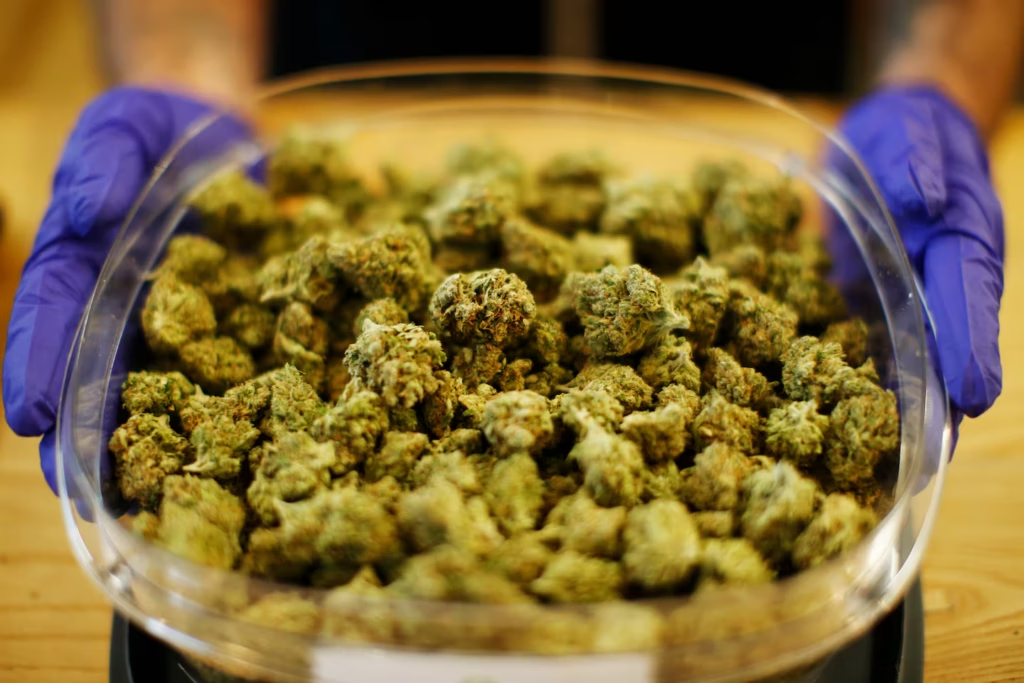
The proposal does not affect the state’s medical cannabis program. Instead, the program would continue under the Cannabis Control Commission.
However, the initiative would introduce stricter THC potency limits. Flower products would be capped at 30 percent THC, while concentrates would face a 60 percent limit.
Personal Possession Would Stay Decriminalized
The measure would not make simple possession a criminal offense. Adults aged 21 and older could still possess up to one ounce of marijuana.
However, possession would remain a civil violation rather than a criminal offense.
Supporters and Opponents Clash
The proposal has sparked a heated political debate. Supporters, including Smart Approaches to Marijuana (SAM), argue that legalization has increased impaired driving, public health concerns, and access to high-potency cannabis products. Meanwhile, the “Stop the Repeal” campaign strongly opposes the initiative.
Opponents say the legal cannabis industry has generated nearly $2 billion in state and local tax revenue while supporting more than 20,000 jobs.
Early polling by the University of New Hampshire Survey Center also suggests the repeal faces significant resistance. The survey found that 63 percent of likely voters oppose overturning legalization, while only 20 percent support the proposal.