

U.S. Assures Kenyans Laikipia Ebola Facility Poses No Threat
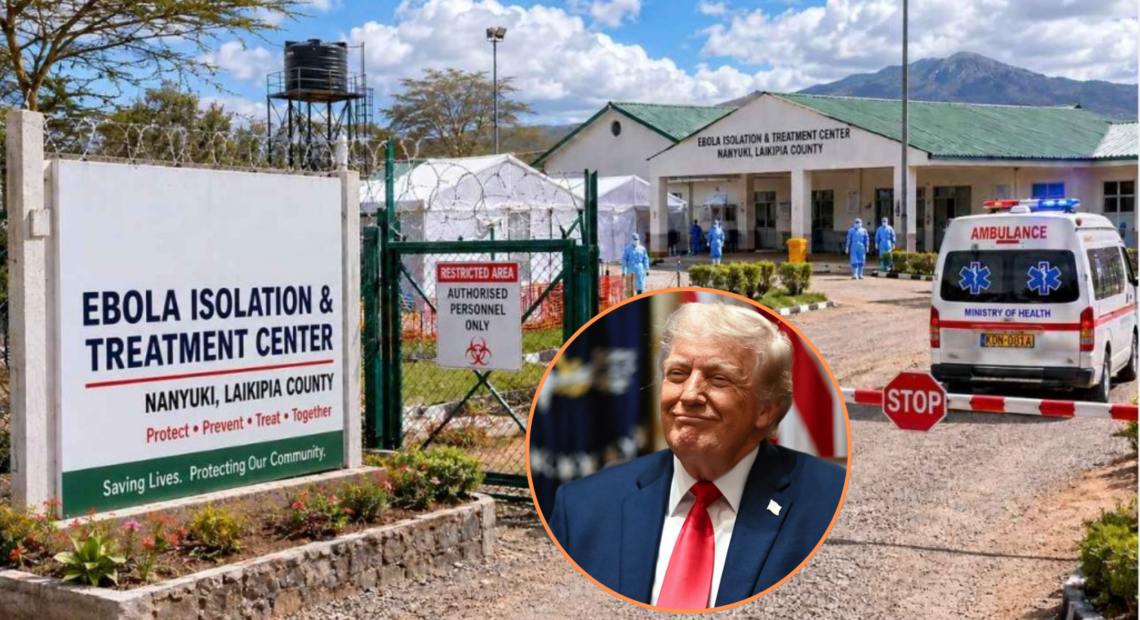
On June 3, 2026, the United States government assured Kenyans that the proposed bio-isolation facility in Laikipia County poses no danger to nearby communities.
Consequently, the U.S. Embassy in Nairobi sought to address growing public concern surrounding the project.
According to the embassy, the 50-bed facility at Nanyuki Air Base will monitor and support asymptomatic individuals involved in regional health response efforts.
Additionally, officials emphasized that the center aims to preserve Kenya’s existing healthcare resources. The project has sparked intense national debate in recent weeks.
Facility Designed to Support Regional Health Security
The U.S. government maintains that the facility forms part of a broader disease preparedness strategy. Additionally, officials say the project strengthens East Africa’s ability to respond to infectious disease outbreaks.
The facility would support surveillance, monitoring, and emergency response operations. Consequently, health authorities believe it could improve regional preparedness against future epidemics.
The center would operate under specialized medical supervision. Officials also insist that the project complements existing public health systems rather than replacing them.
Protecting Kenya’s Healthcare Infrastructure
According to U.S. officials, the facility would reduce pressure on local hospitals. Additionally, foreign health responders would use a dedicated and self-contained treatment environment.
Authorities argue that this arrangement helps protect resources within Kenya’s public healthcare network. Consequently, hospitals would remain available for routine medical services and emergencies.
The United States has also highlighted its financial contributions toward regional outbreak preparedness. Officials say continued investment remains essential to strengthening health security across East Africa.
READ ALSO: Nanyuki Residents Protest Proposed Ebola Isolation Facility at Laikipia Air Base
High Court Halts Laikipia Facility Project
Despite repeated assurances from U.S. and Kenyan officials, the project has encountered significant legal resistance. Consequently, the High Court issued conservatory orders suspending the facility’s implementation pending further review.
The ruling blocks authorities from transferring any Ebola-exposed or infected individuals into Kenya under the proposed arrangement.
Additionally, the court directed all parties to preserve the status quo until the case is fully heard and determined. The Katiba Institute and the Law Society of Kenya filed the petition challenging the project.
The organizations argue that authorities bypassed constitutional requirements, including public participation and transparency, before advancing the agreement.
Government Continues to Defend the Facility
Meanwhile, President William Ruto has strongly defended the proposed facility. Additionally, health officials have actively challenged what they describe as misinformation surrounding the project.
Government leaders insist the facility would strengthen Kenya’s disease preparedness and emergency response capacity.
They further argue that the center would serve both Kenyan citizens and international health workers if necessary. Consequently, officials continue to portray the project as a strategic public health investment rather than a health threat.
Residents Maintain Strong Opposition
However, opposition in Laikipia County remains intense. Residents have organized demonstrations and public campaigns demanding the project’s cancellation.
Additionally, many locals fear possible environmental, health, and economic consequences.
Community members argue that the facility could negatively affect tourism, investment, and local livelihoods. Consequently, concerns continue to grow among businesses and residents living near the proposed site.
Several regional leaders have also publicly opposed the project and questioned its necessity.
Uncertain Future for the Controversial Project
As legal proceedings continue, the future of the facility remains unclear.
Additionally, Kenyan and U.S. officials continue engaging in discussions aimed at addressing legal and public concerns.
The court’s final decision could determine whether the project proceeds, undergoes modifications, or faces permanent cancellation.
Consequently, all eyes remain on the ongoing legal battle and the broader debate over public health preparedness and national sovereignty.