

Pep Guardiola looks dejected on the touchline as Manchester City faces severe penalties for 115 alleged financial rule breaches, clouding the club’s recent trophy-laden era.

Manchester City have been found guilty of serious Premier League financial breaches, reigniting debate over their trophy-filled era under Abu Dhabi ownership.
The independent commission found City guilty of charges involving serious financial rule breaches across nine seasons. It also upheld most charges linked to the club’s failure to cooperate with the Premier League investigation. The findings cover the period between the 2009/10 and 2017/18 seasons. However, City deny wrongdoing and plan to appeal the commission’s decision.
Key Details Of The Manchester City Verdict
Manchester City faced 115 charges after a lengthy Premier League investigation into their finances. The allegations covered financial reporting, sponsorship income, player and manager payments, and spending rules. The commission found that City used “sham” commercial agreements with sponsors during the period. According to the Premier League, these arrangements artificially increased revenues and reduced reported costs. The commission also found that City submitted misstated accounts and concealed the true state of their finances from auditors and football regulators.
City’s Rise Under Abu Dhabi Ownership
Sheikh Mansour’s Abu Dhabi United Group completed its takeover of Manchester City in 2008. The ownership change transformed City’s financial power and helped reshape their position in English football. The club soon attracted major names, including Robinho, Carlos Tevez and Yaya Toure. City then won the 2011/12 Premier League title after Sergio Aguero’s famous late goal against Queens Park Rangers. That triumph ended City’s 44-year wait for an English top-flight championship and marked another major step in their transformation.
From ‘Noisy Neighbours’ To Premier League Powerhouse
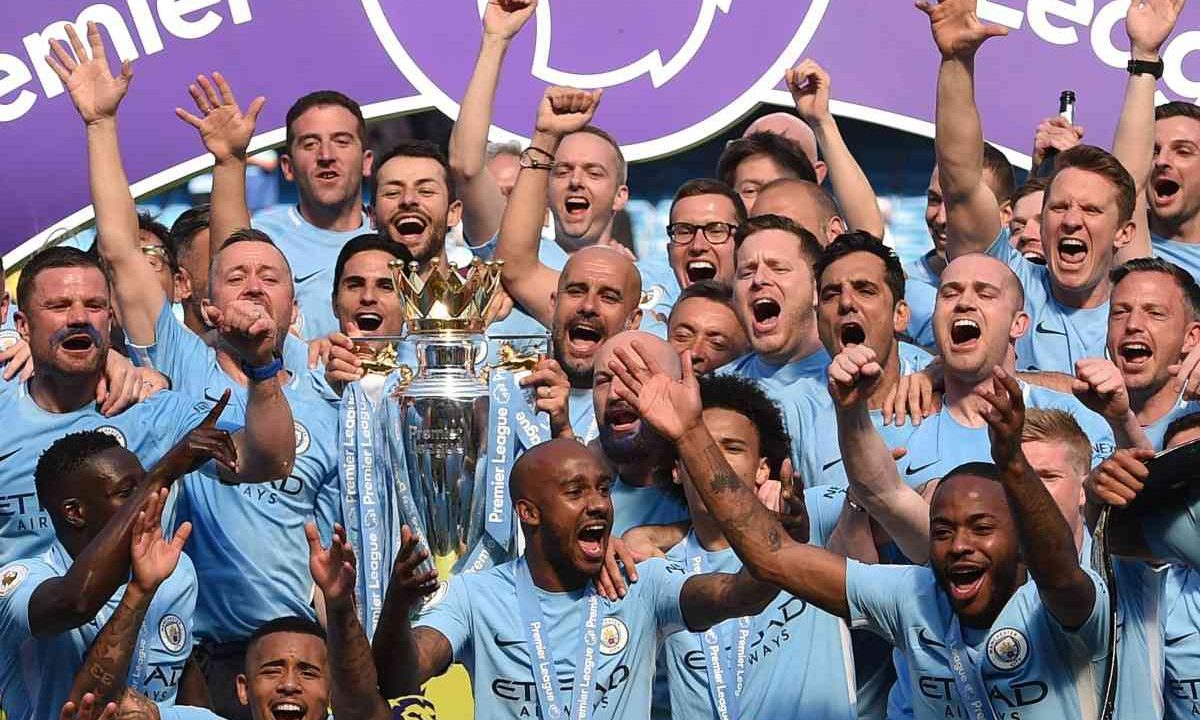
City’s rapid rise also intensified their rivalry with Manchester United. Former United manager Sir Alex Ferguson famously called City the “noisy neighbours” during their early period of heavy spending. However, City gradually became a dominant force in English football. Pep Guardiola’s arrival in 2016 further strengthened their position, with the club winning multiple Premier League titles and completing a historic continental treble in 2023. City also became one of the highest-revenue teams in world football.
Years Of Financial Scrutiny
Manchester City’s financial problems first gained major attention in 2018. German publication Der Spiegel published leaked documents alleging that City had circumvented UEFA’s Financial Fair Play rules. UEFA later imposed a two-year European competition ban in 2020. However, the Court of Arbitration for Sport overturned the ban after City appealed. The Premier League later pursued its own investigation and, in February 2023, referred 115 alleged breaches to an independent commission. The charges covered nine seasons between 2009/10 and 2017/18.
What The Commission Found
The Premier League said City’s commercial arrangements helped create a disguised funding scheme. According to the commission, Abu Dhabi United Group funded part of the sponsorship payments linked to the arrangements. The league said these schemes helped artificially increase revenues and reduce costs by more than £900 million during the affected period. The commission also found three of four alleged breaches involving City’s cooperation with the investigation.
What Happens To Manchester City Now?
The commission has not yet imposed sporting sanctions on Manchester City. The club has strongly rejected the findings and says it will appeal. Manchester City has until October 2, 2026, to lodge its appeal against the commission’s decision. Therefore, the final consequences of the case remain unclear. Potential sanctions have been widely discussed, but no final punishment has been announced. For now, the verdict has placed one of English football’s most successful modern eras under renewed scrutiny, with the appeal process set to determine the next stage.