Ethiopian families seeking refuge in Moyale face shortages of food, water and shelter.
A joint assessment finds 71 per cent of surveyed households lack enough food as displaced families and their hosts struggle with mounting needs.
A Moyale food crisis is gripping Ethiopian families who fled violent clashes, with 71 per cent of surveyed households lacking enough to eat. Meanwhile, 80 per cent identified food as their most urgent need.
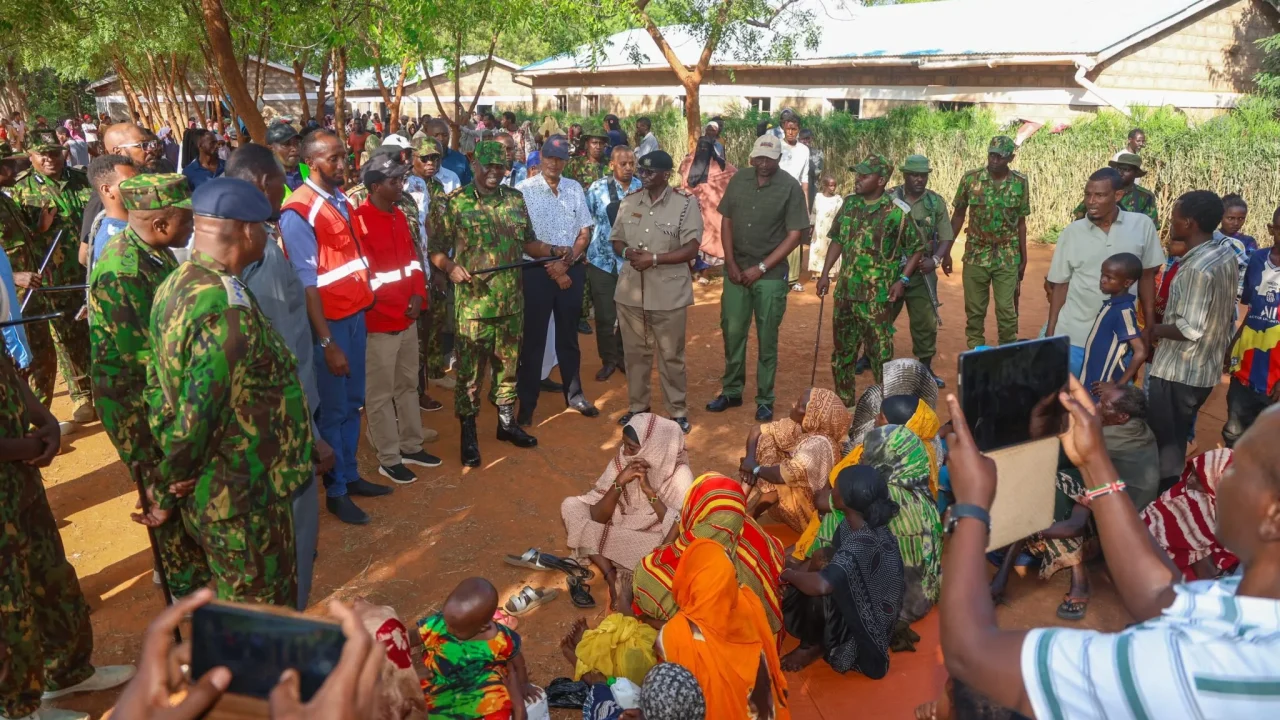
A joint humanitarian assessment estimated that 50,000 people had crossed into Kenya by October 29. The Government of Kenya and Marsabit County Government conducted the assessment with support from IOM, United Nations agencies and humanitarian organisations.
The exercise covered 758 households in temporary displacement sites and host communities on October 29 and 30. It found that 96 per cent of surveyed households had fled Ethiopia, mainly from the Oromia and Somali regions. Nine in ten respondents also reported that their entire villages had fled.

Moyale food crisis strains host households
Most displaced families are staying with relatives or other members of host communities. However, those households already face limited resources, and the arrivals have increased pressure on food, water and shelter.
Other families have sought shelter in schools and temporary displacement sites, while some sleep in the open. Children make up more than half of the displaced population, including a significant number under five. Inadequate food, water and sanitation have therefore raised concerns about their health and well-being.
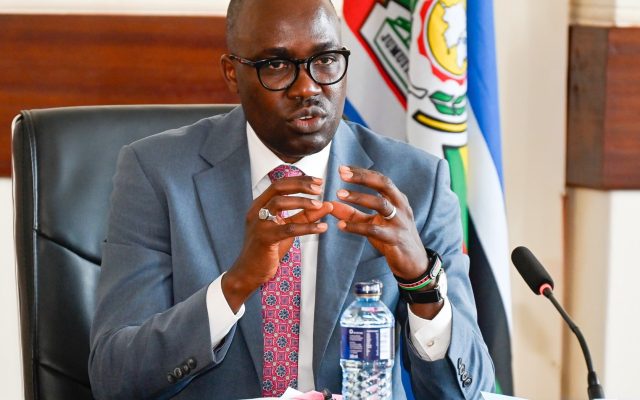
IOM Kenya Chief of Mission Nomagugu Ncube said families face serious shortages of food, water and adequate shelter. She also called for assistance to reach both displaced families and the communities that have welcomed them.
Water shortages and healthcare barriers deepen needs
Beyond food shortages, 44 per cent of surveyed households reported insufficient access to drinking water. More than three-quarters also lacked handwashing facilities, adding to the difficulties families face in their temporary living arrangements.
Conditions were particularly difficult at the Somare, Taqwa Mosque and St. Mary’s Catholic displacement sites. Access to water and sanitation services at these locations was severely limited.
Healthcare presents another major challenge, with more than half of households reporting difficulty reaching nearby health facilities. High costs and medicine shortages were the main barriers.
With needs mounting, IOM and humanitarian partners are calling for urgent funding to expand assistance. They seek support for food distribution, emergency shelter, clean water, sanitation and healthcare for displaced families and host communities.