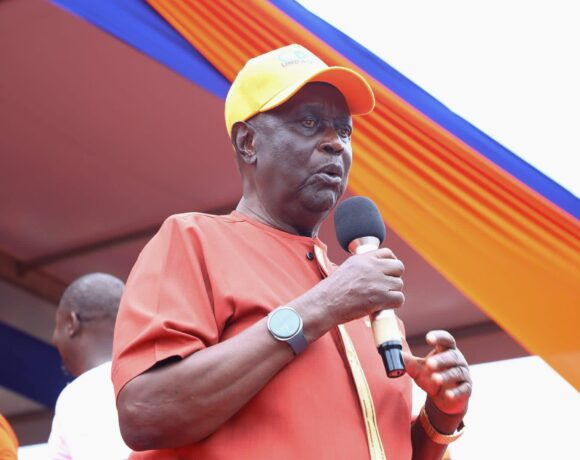

Gachagua Blasts Ruto Over Fuel Deal, Demands Scrap
On April 15, 2026, Rigathi Gachagua led a strong opposition statement. He criticized William Ruto and his administration.
Specifically, he demanded the cancellation of the Government-to-Government fuel deal. He described it as a profit-driven scheme benefiting select interests.
Call to Scrap G-to-G Fuel Framework
Gachagua urged Parliament to act within seven days. He called for the immediate abolition of the G-to-G petroleum agreement.
According to him, the deal involves handpicked oil companies. He claimed these firms act as proxies for powerful individuals.
Therefore, he argued the framework lacks transparency and accountability. He also warned that it burdens ordinary Kenyans.
Demands for Resignations and Investigations
The opposition also demanded high-level resignations. Opiyo Wandayi faced strong criticism.
Gachagua accused him of oversight failures in a fuel scandal. He also alleged misleading statements to a parliamentary committee.
Additionally, Lee Kinyanjui was implicated. He allegedly approved waivers allowing substandard fuel into the market. Consequently, the opposition called for investigations and prosecutions.
READ ALSO: Wamuchomba Alleges Gachagua Seeking Political “Handshake”
Push for Tax Relief and Levy Suspension
The opposition proposed several economic relief measures. They demanded the suspension of multiple government levies.
These include the housing levy and road maintenance charges. They also targeted the National Infrastructure Fund.
Furthermore, they called for the removal of VAT on fuel. They argued this would ease the burden on consumers.
Context: Rising Fuel Prices in Kenya
The demands follow recent fuel price increases nationwide. Prices rose sharply, affecting transport and living costs.
Therefore, public pressure on the government continues to grow. Many Kenyans are seeking immediate economic relief.
Government Response and Political Tensions
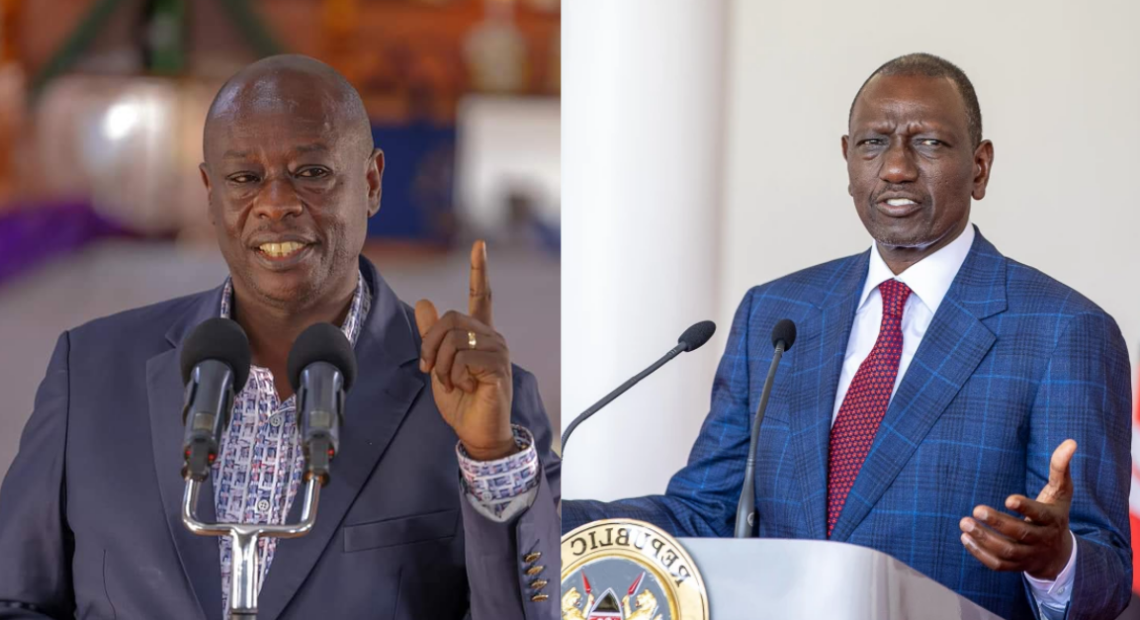
President William Ruto dismissed the opposition’s claims. He stated that the government will not be intimidated.
Additionally, he defended the G-to-G deal as necessary. He argued it supports economic stability and fuel supply.
Growing Political Debate Ahead
The dispute signals rising political tensions in Kenya. Both sides continue to defend their positions strongly.
Ultimately, the fuel deal debate may shape national politics. It also highlights economic concerns affecting millions of citizens.