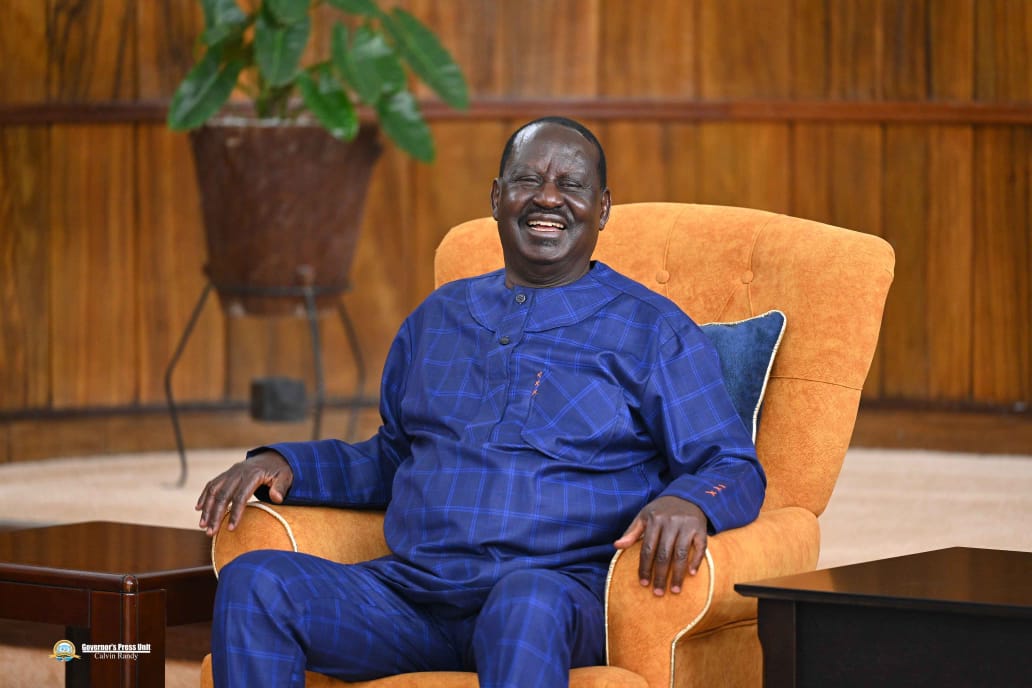
Former Prime Minister Raila Odinga / HANDOUT
Kenya marks Raila Odinga’s first death anniversary as electoral credibility, police accountability and public spending test its democratic progress.
Raila Odinga’s democratic legacy faces renewed scrutiny as Kenya marks the first anniversary of his death. Constitutional gains stand alongside unresolved concerns about elections, police conduct and the use of public money.
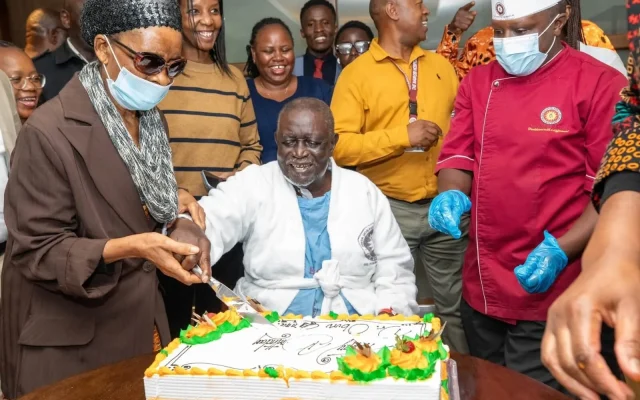
Family and community members are leading memorial commemorations in Bondo, Siaya County, alongside nationwide remembrance activities. His family said the anniversary belonged to everyone whose life he touched, beyond individuals or institutions.
Odinga’s political career stretched from detention without trial in 1982 to campaigns against one-party rule. He also played central roles during the 2007 post-election crisis and the push for the 2010 Constitution.

A democratic legacy rooted in constitutional change
The 2010 Constitution expanded rights protections, established 47 county governments and strengthened institutions overseeing executive power. However, translating those guarantees into consistent practice remains a challenge.
Devolution moved decision-making closer to communities, but county spending continues to attract scrutiny. The Controller of Budget’s reports have repeatedly raised questions about the balance between recurrent expenditure and development.
Meanwhile, the courts tested the limits of political agreements through the Building Bridges Initiative. Odinga and former President Uhuru Kenyatta launched BBI after their 2018 rapprochement.
Courts ultimately rejected the initiative, underscoring constitutional requirements for public participation and amendments. The outcome showed that agreements between political leaders must still meet legal safeguards.
Electoral gains and the challenge of public trust
The Supreme Court delivered another major institutional milestone in September 2017, when it annulled the presidential election. It also ordered a fresh vote after Odinga challenged the result.
That decision demonstrated the judiciary’s authority to invalidate a presidential election over constitutional and legal failures. However, it did not resolve wider concerns about electoral credibility.
As the 2027 general election approaches, public confidence remains a test across the electoral process. That includes voter registration, polling, tallying and the declaration of results.
Beyond elections, younger Kenyans have placed greater emphasis on employment, living costs, corruption and public expenditure. The Gen Z-led demonstrations of 2024 also brought police accountability into sharper focus.
Civil liberties and compensation for victims
Article 37 protects peaceful assembly, yet demonstrations have exposed tensions between that guarantee and security agencies’ conduct. The Kenya National Commission on Human Rights documented 361 arrests across several counties following demonstrations.
The commission also recorded allegations of unlawful force, torture and enforced disappearances. Its chairperson, Claris Ogangah, called for scrutiny of whether the arrests respected constitutional protections against arbitrary detention.
Meanwhile, President William Ruto has announced a Sh2 billion compensation framework for victims of rights violations between 2017 and 2025. He said national healing required recognition of suffering and justice for all victims.
However, Ogangah has stressed that compensation represents only one element of reparations. Credible investigations and accountability remain central to addressing abuses and preventing their recurrence.
Political cooperation and the next generation
Odinga’s cooperation with Kenyatta, and later with Ruto’s administration, also forms part of the debate over his record. These arrangements raised questions about national unity and the opposition’s ability to scrutinise government.
Ruto has defended cooperation with the opposition as a pursuit of unity. However, a September TIFA Research report found that 52 per cent opposed the UDA-ODM broad-based government arrangement, while 30 per cent supported it.
Alongside that political debate, the University of Nairobi plans a Raila Odinga Centre for Democracy. Vice-Chancellor Professor Ayub Gitau said it would support scholarship, democratic values and public dialogue.
Ida Odinga has similarly emphasised that the people shaping the centre will give it meaning. The planned institution adds an educational dimension to commemorations as Kenya confronts unfinished questions about rights, accountability and governance.