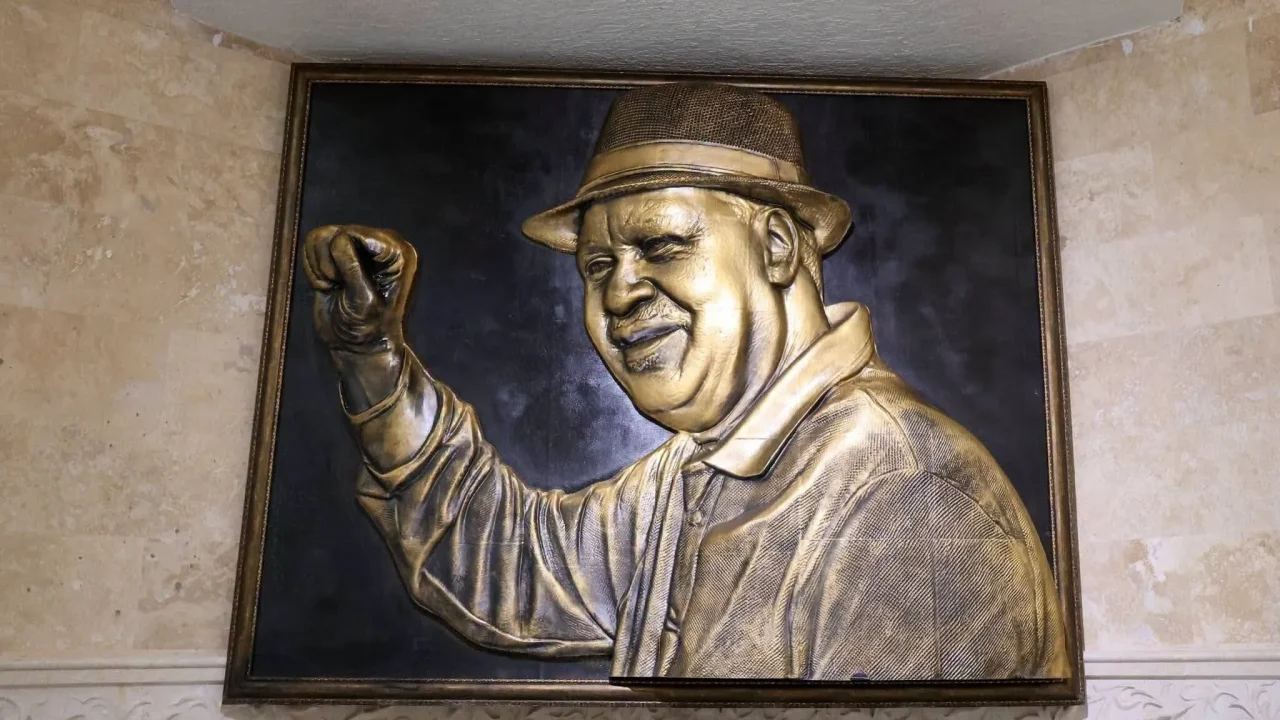
Kisumu residents recall the former prime minister’s advocacy for ordinary citizens, while his sister urges young people to carry his vision forward.
A year after Raila Odinga’s death, supporters in Kisumu remember his advocacy for ordinary citizens and democratic reform. Their accounts reach beyond presidential campaigns to questions of representation, development and participation in public life.
In Kondele, residents describe a leader who spoke about their struggles and encouraged them to vote. Meanwhile, his younger sister, Emily Oginga, says public affection since his death has surprised even his family.
Raila Odinga remembered as a voice for ordinary citizens
Evan Ofula, spokesman for Bunge La Wanainchi in Kisumu County, recalls Raila challenging rising food prices. He says the former prime minister also encouraged citizens to stand firm in defending their rights.
Ofula credits him with promoting devolution and the Constituency Development Fund, linking both to opportunities for local communities. Having worked under the fund during a former Kisumu Central MP’s tenure, he recalls communities benefiting from development projects.

He also points to Raila’s support for the two-thirds gender principle as another reason for his appeal.
For James Maaina, a matatu tout in Kondele, the loss carries a more personal meaning. He remembers a politician who represented people who often felt those in power ignored them.
Maaina says he remains uncertain about who will now defend their interests. His reflections centre on that concern rather than the electoral victories supporters had hoped to secure.
Campaigns that shaped political participation
Meanwhile, Kondele Ward businessman Erwin Wechuli traces his interest in Raila to the 2007 election period. As a secondary school student, he wanted to understand the politician’s strong public following.
He later voted for Raila in the 2013, 2017 and 2022 presidential elections. Wechuli still believes his preferred candidate should have won those contests, expressing his own assessment of the results.
However, his reflections also turn to the politicians who previously relied on Raila’s popularity to attract voters. He believes they must now establish direct relationships with the people whose support they seek.
In his view, money, party influence and association with prominent leaders cannot substitute for those relationships. His account connects years of campaign support with expectations about representation and accountability.
A younger generation carries the memory
Emily Oginga, a specially elected Kisumu County Assembly member representing the minority gender, also sees a connection among younger people. She expressed solidarity with Lavender Wesonga, 21, who undertook a 72-hour tree-hugging challenge in Raila’s memory.
Oginga says the gesture reflects the continuing influence of his ideas. She urged young people to learn from his teachings and carry forward his vision for Kenya.
She also recalled mourners visiting Kang’o ka Jaramogi, the family home in Bondo. Those visits, she said, deepened her understanding of the affection people held for her brother.
Before his death, Oginga had asked him whether he understood how much people loved him. For her, the subsequent public response revealed the full extent of that attachment.