


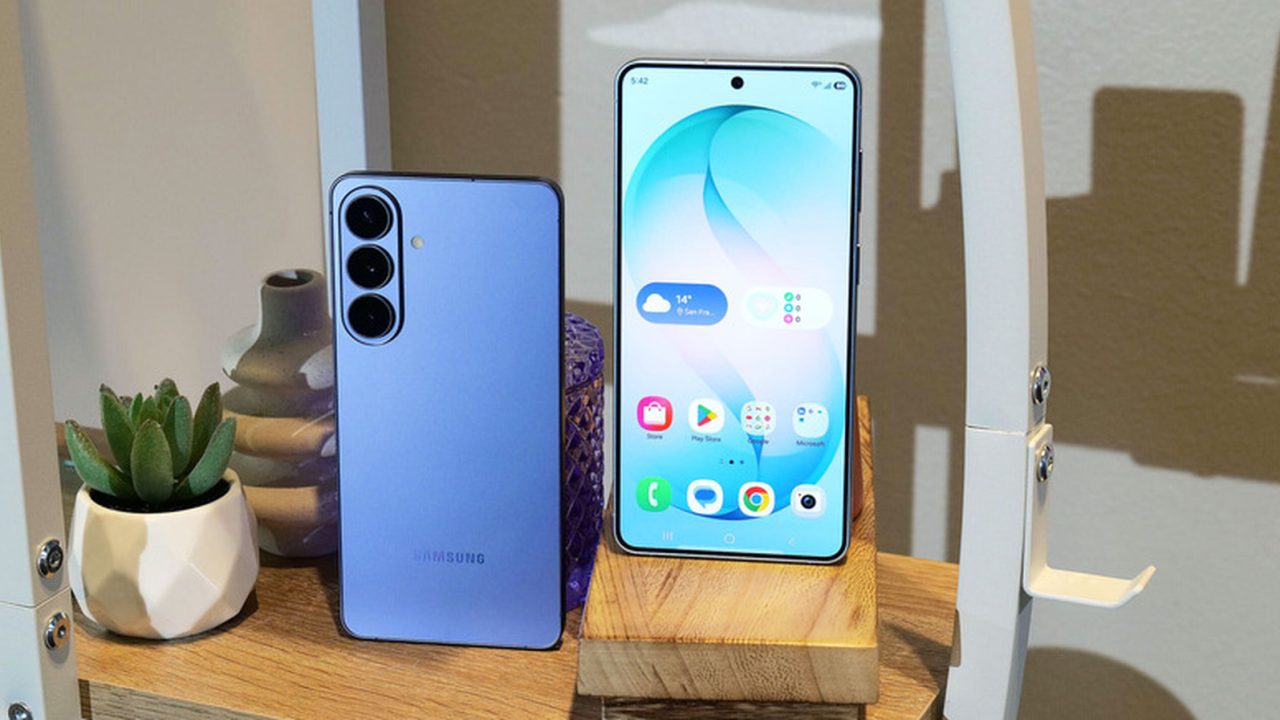
The Samsung Galaxy S26 Ultra sits on display, reflecting the brand’s new premium pricing strategy driven by rising production costs.

Samsung has quietly increased official retail prices for several Galaxy S26 smartphones by up to $200.
The biggest increase affects the 1TB Galaxy S26 Ultra, which now costs $2,000. The standard Galaxy S26 also starts at $1,000.
The price changes affect several storage options across the Galaxy S26, S26+ and S26 Ultra. However, the Galaxy S26 FE remains unchanged.
Galaxy S26 Prices Rise
The 256GB Galaxy S26 now costs $1,000 on Samsung’s official US store. Meanwhile, the 512GB model has increased to $1,200. The Galaxy S26+ also received increases, with the 256GB model costing $1,200 and the 512GB version reaching $1,400.
The Galaxy S26 Ultra recorded the largest increase across the lineup. Its 256GB model now costs $1,400, while the 512GB version stands at $1,600. Meanwhile, the 1TB model jumped by $200 to reach $2,000.
Galaxy S26 FE Escapes Price Increase
The Galaxy S26 FE remains the only current model unaffected by the latest price changes. The device therefore offers a cheaper entry into Samsung’s latest Galaxy generation for consumers watching their budgets.
However, customers seeking Samsung’s flagship S26 models now face higher official prices. The increases could also influence prices in markets where retailers base local pricing on international recommendations.
Rising Memory Costs Hit Samsung
Samsung’s price changes come amid rising costs for smartphone components. Memory products, including RAM and flash storage, have faced significant price pressure.
The higher component costs have also affected Samsung’s mobile business. The company’s mobile division reportedly recorded an operating loss during the April-June quarter.
At the same time, Samsung’s semiconductor business benefited from strong global demand for memory chips. The contrasting results highlight the pressure facing smartphone manufacturers.
What the Price Hike Means for Buyers
The higher prices could make Samsung’s flagship phones more expensive for consumers seeking premium hardware. However, shoppers may find lower prices during major promotional events and seasonal sales.
Retailers often offer discounts on flagship smartphones after their launch periods. Buyers should therefore compare Samsung’s official prices with retailer offers before making a purchase.
Meanwhile, future Galaxy models could face further pricing pressure if memory costs remain elevated. Reports have already suggested that storage upgrades could become more expensive with the Galaxy S27 series.