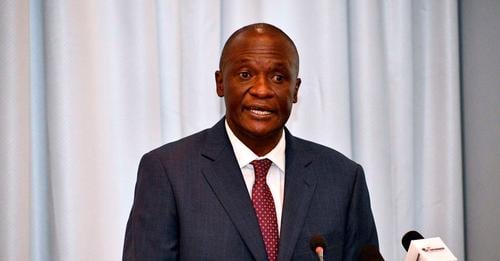
Chadema leader Tundu Lissu has received a four-year sentence for incitement.
Tanzania’s High Court convicts the Chadema leader over his election reform campaign, but rejects the treason charge.
Tundu Lissu, Tanzania’s main opposition leader, has received a four-year prison sentence for inciting unrest. However, the High Court in Dar es Salaam acquitted him of treason.
The three-judge panel ruled that the Chadema leader encouraged supporters to disrupt the disputed 2025 general election. On treason, the judges said prosecutors had failed to prove a key element of the charge.
Lissu, 58, denied wrongdoing and described the prosecution as politically motivated. He has permission to appeal to the Court of Appeal, Tanzania’s highest court.

Tundu Lissu challenges incitement verdict
The court based its incitement finding on Lissu’s campaign slogan, “No Reforms, No Election”. Judges concluded that he intended to spread those words publicly to encourage disruption of the vote.
However, Lissu challenged the verdict, saying prosecutors had charged him with treason, not incitement. He accused the judges of creating an offence under political direction.
He also told the court he wanted to apply for bail. Unlike treason, which can carry the death penalty, incitement allows a bail application.
Lissu, a lawyer, represented himself during the trial. He argued that his statements formed part of a legitimate campaign for constitutional and electoral reforms.
Prosecutors, meanwhile, argued that his remarks sought to disrupt the election and threaten the government. They said the statements, which also circulated online, amounted to treason.
Chadema’s demands included independently appointed electoral commissioners and an end to intimidation during campaigns. The party also sought court challenges to presidential results and safeguards for agents observing vote counting.
Disputed election and crackdown
Authorities arrested Lissu six months before the October 2025 election, shortly after he launched his reform campaign. President Samia Suluhu Hassan won 98% of the vote after the exclusion of her two main challengers, including Lissu.
The opposition rejected the result as a mockery of democracy. Hassan, however, maintained that the election was fair and transparent, while her government denied targeting opponents.
An official inquiry put the death toll from post-election protests and a violent security crackdown at at least 500. Opposition groups said many more people died and demanded an independent investigation.
Meanwhile, rights groups have raised concerns about opposition politicians’ treatment and restrictions on political dissent. Amnesty International accused the government of using counterterrorism laws to silence critics and spread fear.
During remand at Ukonga Prison, Lissu twice briefly went on hunger strike over alleged restrictions on access to lawyers and relatives. He also alleged that guards monitored private legal consultations, claims prison authorities denied.